
The menswear market shows an unprecedented comeback, with retailers reporting remarkable growth in formal attire sales. John Lewis’s own branded suits have jumped 68% year on year, while formal outerwear sales have skyrocketed by 584%. Marks & Spencer’s success stands out too – they sold 37,500 suits in just one month, which shows an 18% increase in suit sales in the last two years.
Male shoppers now want a balance between formality and comfort. They look for versatile clothing that works in office settings and casual occasions. So many turn to AI-powered platforms that help them find everything from date outfits to professional attire, as with Men’s Wearhouse. These intelligent systems reshape the scene of how men find standout fashion, get customized recommendations, and make confident purchasing decisions. Of course, Mr Porter’s buying director points to a future where menswear becomes a “hybrid wardrobe” that blends comfort with formal elements.
How AI is reshaping the online shopping experience for men

Men’s traditional online shopping felt like rummaging through messy clothing racks, and shoppers had to wade through countless irrelevant items. AI has transformed this frustrating process into a customized experience that resembles having a skilled personal shopper guide you.
From static catalogs to smart recommendations
Online fashion retailers have evolved beyond simple product listings by implementing sophisticated AI systems that curate tailored selections. These platforms analyze browsing behavior, past purchases, and current trends to suggest relevant items live. Websites now showcase fully styled outfits that reflect current trends and arrange with individual priorities instead of displaying random products. To cite an instance, Boston Proper uses AI that takes the guesswork out of styling by suggesting complete looks rather than individual pieces. These intelligent systems can boost conversion rates by up to 100% and generate substantial incremental revenue with a 38x return on investment.
The rise of virtual stylists and chatbots
Digital fashion consultants now come in the form of AI-powered chatbots that provide expertise previously limited to in-person styling appointments. Services like Stitch Fix blend AI with human expertise to deliver boxes of five handpicked items tailored to each customer’s priorities. LANCERTO’s AI chatbot “ARI” helped over 1,000 customers resolve issues with payments, orders, and delivery in just one month. Nearly 10% used its advanced fitting guidance to find their perfect size. This assistance led to a remarkable 52% decrease in call center inquiries.
How AI understands your personal style
Modern AI systems build detailed style profiles through questions a human stylist would ask. These systems think over:
- Physical attributes – body type, skin tone, hair and eye color
- Personal priorities – preferred colors, patterns, and fits
- Lifestyle needs – occasions and activities requiring specific attire
Men who previously chose safe, plain items out of uncertainty can now confidently try pieces that better express their personality. The AI refines its understanding through feedback loops every two weeks, ensuring recommendations improve and arrange more closely with customer priorities.
Smarter product discovery through personalization
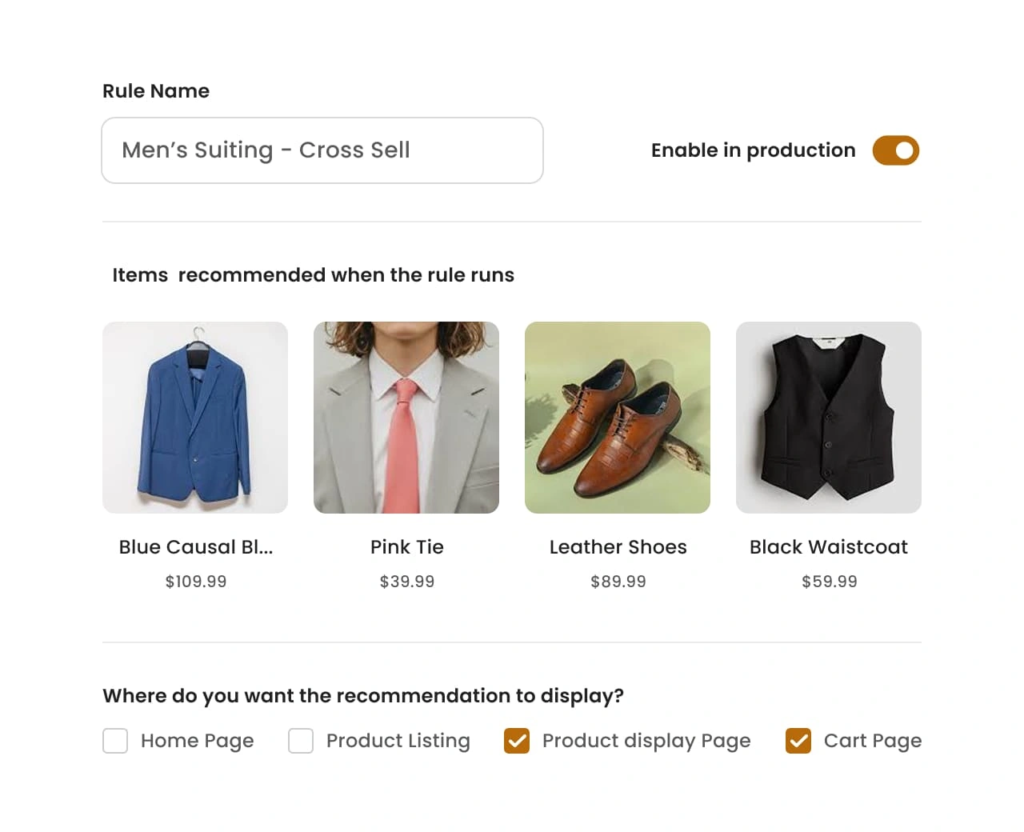
AI has fundamentally changed how men find apparel online. The technology has moved beyond simple recommendations to sophisticated systems that truly understand individual style priorities. These AI tools act as digital personal shoppers and eliminate the choice paralysis that often affects online shopping.
AI-powered filters and search tools
Advanced filtering systems have grown far beyond simple size and color options. Modern AI filters analyze physical attributes and style priorities to create individual-specific shopping experiences. Pippit’s AI Clothes Filter uses advanced algorithms to analyze size, color priorities, and personal style. Natural language search capabilities let shoppers find products using conversational queries rather than rigid category terms. These systems quietly work in the background and automatically tag and categorize products to create a continuous discovery process that feels easy-to-use rather than overwhelming.
Style quizzes and preference learning
Style quizzes have become vital tools for men seeking fashion guidance. Over 60% of male consumers now rely on individual-specific style recommendations. These interactive assessments ask insightful questions about color priorities, fit preferences, and lifestyle needs to create detailed style profiles. Deep learning algorithms and collaborative filtering then rank items by style match. The systems grow smarter through feedback loops and continuously refine their understanding of individual priorities through past purchases, browsing patterns, and social media interactions.
Tailored suggestions for versatile men’s clothing
AI systems deliver highly personalized recommendations after understanding personal style. These recommendations align with specific body shapes, skin tones, and fashion tastes. Some platforms create virtual wardrobes of owned items and suggest complete outfit combinations—plus ideas for one or two missing pieces that would boost existing collections. Men seeking versatile clothing that works in multiple settings find this approach valuable. AI doesn’t just recommend products—it creates cohesive style narratives that help men build functional, versatile wardrobes suited to their unique needs.
AI and the evolution of fit and sizing
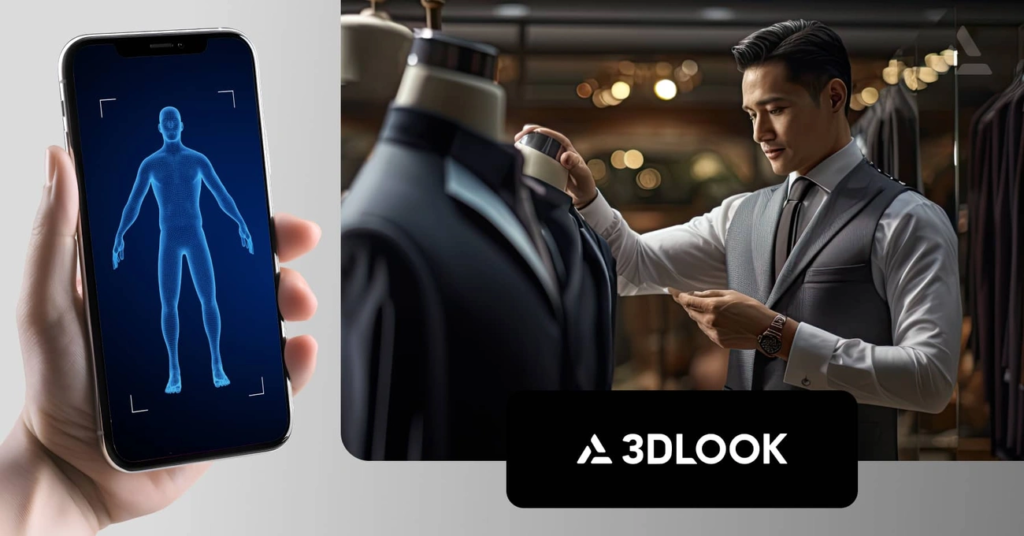
Men have always struggled to find perfectly fitting clothes online. New technologies are transforming this significant aspect of online shopping. Shoppers can now find the right fit without visiting physical stores.
Virtual try-ons and 3D body scanning
Advanced 3D body scanning technology lets shoppers create precise digital versions of themselves. Google’s virtual try-on feature shows customers how billions of clothing items look on their bodies after they upload photos. These systems can capture over 85 measurement points on the human body in under a minute. The technology recognizes how different fabrics fold, stretch, and drape on various body types. It maintains subtle details when applied to different poses.
Size prediction based on past purchases
Smart AI-powered platforms analyze purchase history and return patterns to give tailored recommendations. True Fit’s system takes the guesswork out by providing size guidance based on real purchase-and-keep data from shoppers with similar body types. The AI-based algorithms can determine your perfect shirt fit using just your weight, height, and age. These systems get more accurate through continuous feedback.
Reducing returns through better fit accuracy
Better sizing technology tackles the main reason behind fashion e-commerce returns. Retailers using AI sizing solutions report return rate reductions of 25-50%. The improvement brings economic benefits and reduces waste and carbon emissions from returned item transportation. To name just one example, Men’s Wearhouse cut their return rate by 47.4% after implementing AI sizing technology.
How AI is influencing fashion trends and brand choices
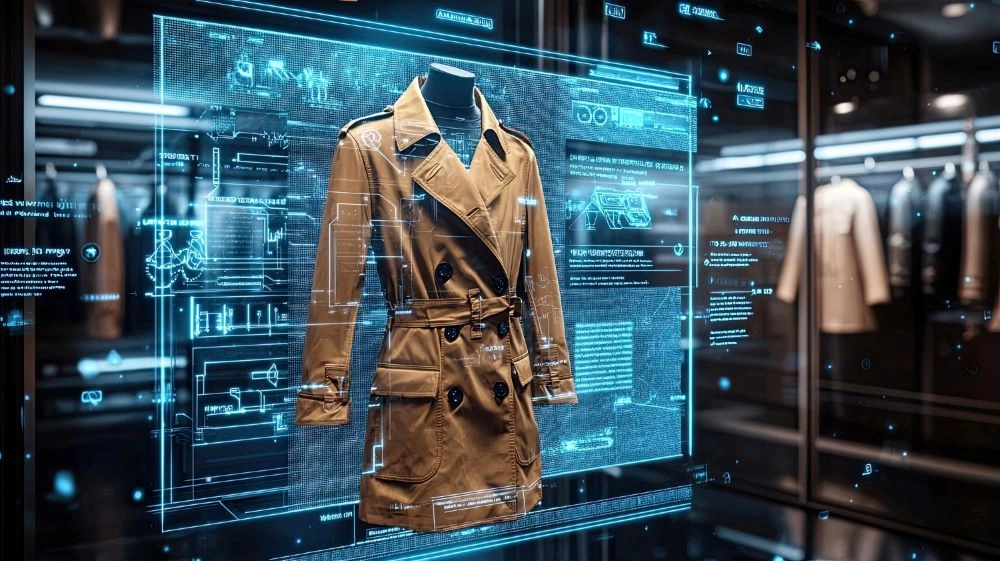
AI now shapes emerging fashion trends and determines which brands succeed in competitive menswear markets, going well beyond simple style recommendations.
Data-driven trend forecasting
AI has revolutionized how we predict fashion trends by scanning millions of social media photos each day to understand what consumers want. Platforms like Heuritech scan over three million fashion images on social media daily to help brands figure out which styles will appeal to their customers. A newer study, published by Pusan National University researchers, shows how AI predicts men’s fashion trends. The results were mixed – AI correctly spotted 9 out of 39 trends that fashion experts had identified. Yet it also picked up on new themes like gender fluidity that weren’t in the existing data. Brands can now plan their collections more accurately, though AI still tends to reinforce known fashion concepts rather than create groundbreaking designs.
AI-curated collections as with Men’s Wearhouse
Top fashion houses now rely on AI to develop their collections. Dior, Prada, Louis Vuitton, and New Balance all use AI data to guide their upcoming projects. Dior used this technology to create a fresh take on their classic Miss Dior bag, while Rabanne applied it to gage customer reactions to their 1969 bag. McKinsey projects that generative AI could add between £119.12 billion and £218.39 billion to fashion and luxury markets in the next three to five years. This technology helps brands strike the right balance between following trends and maintaining their unique identity.
How AI generates standout men’s fashion reviews
Smart review systems powered by AI have changed how men find fashion. These algorithms look at what users like across different platforms and highlight versatile menswear pieces that stand out. They can assess countless details – from fabric quality to styling options – and create detailed reviews that help men pick the perfect pieces for any occasion, including date outfits. AI platforms also create fashion lookbooks and editorial-style images that show how clothes look in real-life situations. Brands can now showcase their versatile men’s clothing through dynamic visual stories instead of basic product photos.
Conclusion
AI and men’s fashion have created a new way for men to shop for clothes online. Men no longer need to browse endless catalogs. They get specific recommendations that match their body type, style priorities, and lifestyle. This individual-specific approach helps solve the overwhelming choices that made online shopping difficult before.
New tech like 3D body scanning and virtual try-ons solve the age-old problem of finding clothes that fit without going to stores. These tools measure dozens of body points in seconds and show how different fabrics look on various body types. Retailers who use AI sizing tools have cut their return rates by 25-50%. This saves money and helps the environment.
AI also connects shoppers who want flexible wardrobes with retailers trying to meet fashion needs. Data shows men want clothes that work in multiple settings – pieces that look good at work and during casual outings. AI is great at finding these versatile items and putting together complete outfits instead of single pieces.
AI’s influence goes beyond individual shopping. It shapes fashion trends through analytical insights and helps develop new collections. Big fashion brands now rely on AI data to plan future lines while staying true to their identity. While AI mostly reflects existing fashion ideas rather than creating new designs, its role keeps growing.
The future of men’s online fashion will likely see smarter AI systems that keep learning from user feedback. This technology won’t replace human creativity but will improve the shopping experience. It will be more intuitive and specific to each person. As AI gets better, men can expect more accurate suggestions, better fits, and easier online shopping that matches their style.
FAQs
1. How is AI transforming the online shopping experience for men?
AI is personalizing the shopping journey by analyzing browsing behavior, past purchases, and current trends to suggest relevant items and complete outfits. It’s also introducing virtual stylists and chatbots that offer expert fashion advice, making the experience more like having a personal shopper.
2. What role does AI play in helping men find clothes that fit properly?
AI is revolutionizing fit and sizing through virtual try-ons, 3D body scanning, and size prediction based on past purchases. These technologies capture precise measurements and understand how fabrics drape on different body types, significantly reducing return rates and improving fit accuracy.
3. How does AI assist in discovering versatile men’s clothing?
AI-powered systems create detailed style profiles by analyzing physical attributes, personal preferences, and lifestyle needs. They then offer tailored suggestions for versatile clothing that works across multiple settings, helping men build functional wardrobes suited to their unique requirements.
4. Can AI predict fashion trends for men’s clothing?
Yes, AI systems analyze millions of social media images daily to anticipate consumer preferences and emerging trends. While AI accurately identifies some trends, it also captures new themes that may not be present in existing data, helping brands plan collections with greater precision.
5. How is AI influencing the way men discover and evaluate fashion items?
AI is reshaping fashion discovery through smarter review systems and personalized recommendations. It analyzes user preferences to highlight standout versatile menswear pieces, creates detailed assessments of garments, and generates fashion lookbooks to showcase how clothes perform in real-world settings.