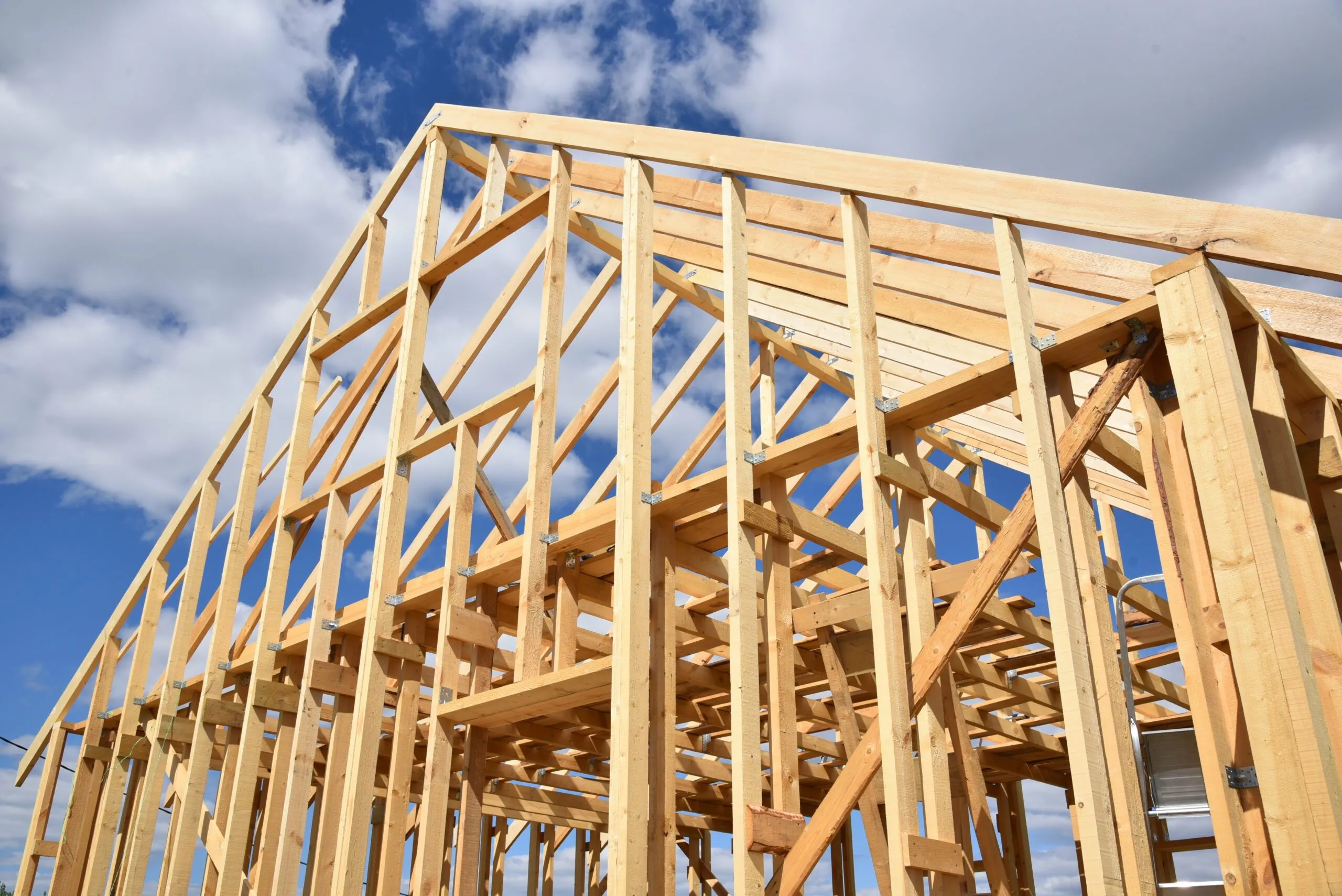
Building your own home is exciting. You’re not just buying walls and a roof—you’re creating a space that reflects your lifestyle, your family, and your future. But somewhere between choosing tiles and finalising floor plans, the construction loan process can start to feel confusing and stressful.
Many people assume home construction loans work just like regular home loans. They don’t. And that misunderstanding often leads to mistakes that delay approvals, increase costs, or create unnecessary tension during construction. Let’s talk about the most common mistakes—and how you can avoid them without overthinking things.
Applying Without a Clear Construction Roadmap
One of the biggest slip-ups is walking into the bank with half-baked plans. Lenders need clarity. They want to see that you know exactly what you’re building and how long it will take.
Before applying for a construction loan, make sure you have:
- Approved architectural plans
- A realistic construction timeline
- A clear cost estimate
This isn’t just for the lender—it helps you stay in control once construction begins.
Assuming the Budget Will “Somehow Work Out”
Let’s be honest—construction costs almost never stay exactly the same. Material prices rise, design changes happen, and unexpected expenses pop up.
Many borrowers apply for home construction financing based only on the basic structure cost and forget about:
- Interior work and fittings
- Labour cost increases
- Electrical and plumbing upgrades
Always keep a buffer. That extra cushion can save you from panic when expenses creep up later.
Overlooking Your Credit Health
You might have land, plans, and a contractor ready—but if your credit score isn’t in good shape, lenders may hesitate.
Before applying:
- Check your credit score
- Clear pending EMIs or overdue bills
- Avoid taking new loans close to your application
A healthier credit profile improves your chances and can even help you negotiate better terms on your construction loan.
Hiring a Contractor Without Proper Verification
This is a mistake many people regret later. Banks don’t just assess you—they also look at who’s building your home.
Lenders prefer contractors who:
- Are experienced and registered
- Follow proper billing practices
- Can stick to timelines
A trustworthy contractor makes home building loans smoother because stage-wise disbursements depend heavily on verified progress.
Expecting the Full Loan Amount Upfront
This is where many first-time borrowers get confused. A construction loan isn’t paid out all at once. The amount is released in stages as construction progresses.
Typical stages include:
- Foundation
- Structure and slab
- Roofing
- Finishing work
Understanding this early helps you plan payments and avoid awkward cash-flow gaps during construction.
Ignoring Land and Legal Paperwork
Even a small issue with land ownership documents can delay or derail your loan approval. Banks are extremely careful when it comes to legal checks.
Double-check:
- Land title clarity
- Local construction approvals
- Absence of disputes or legal claims
Clean paperwork builds lender confidence and speeds up home construction financing.
Rushing Into the First Loan Offer
When you’re eager to start construction, it’s tempting to say yes to the first loan approval. But different lenders offer different terms.
Before locking in home building loans, compare:
- Interest rates
- Processing charges
- Flexibility in repayment
A little patience here can save you money—and stress—over the long run.
Final Thoughts
Applying for a construction loan doesn’t have to feel overwhelming. Most problems arise not because people make big mistakes, but because they overlook small details. With the right preparation, realistic budgeting, and a clear understanding of how home construction loans work, the process becomes far more manageable.
Take your time, ask questions, and plan wisely. After all, you’re not just building a house—you’re building a home.