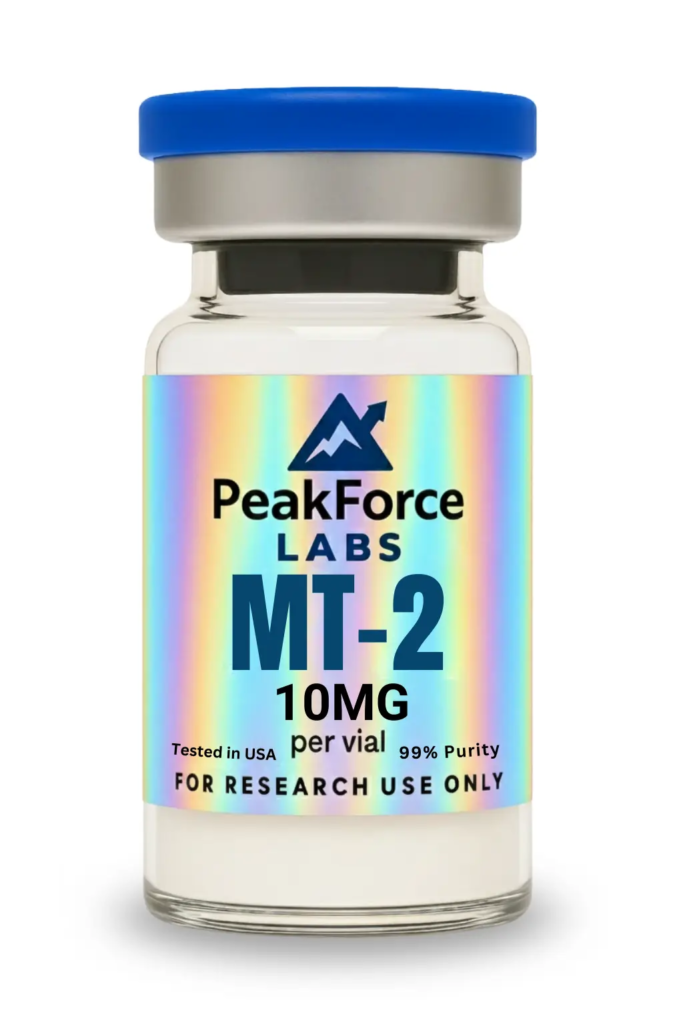
Peptides like Melanotan II (MT-II) are known for their applications in melanogenesis, receptor studies, and cellular signaling. For researchers, it is vital to understand the characterization data of these peptides for the purpose of accuracy and reproducibility in their experiments. The use of high-quality peptide materials in the laboratories brings about the confidence to unravel the physiological pathways by ensuring that the variability coming from impurities or inconsistencies is minimized.
Melanotan Peptides: What Are They?
Among melanin enhancers, Melanotan peptides of MT-I and MT-II are the synthetics of α-MSH or alpha-melanocyte stimulating hormone. The latter one is mainly used in studies because of its interaction with the melanocortin receptors that affect the pathways of pigmentation, the balance of energy, and other cell processes.
Working with melanotan materials in research requires well-characterized compounds. Mischaracterized peptides can result in unreliable experimental outcomes, wasting of materials, and also difficulties in reproducibility. By using only the guaranteed peptide materials, the researchers can devote their efforts to experimental design and interpretation instead of dealing with inconsistent results.
Characterization Methods for MT-II
Accurate characterization of MT-II peptides involves several analytical techniques that confirm sequence integrity, purity, and structural stability. These include:
- High-Performance Liquid Chromatography (HPLC): Provides a detailed profile of peptide purity, identifying impurities and confirming that the main peak corresponds to the desired peptide.
- Mass Spectrometry (MS): Confirms the molecular weight of the peptide, ensuring the correct sequence has been synthesized.
- Amino Acid Analysis: Validates the presence and ratio of amino acids in the peptide, which is critical for functional studies.
- Lyophilization Verification: Ensures the peptide is properly freeze-dried to maintain stability during storage.
Access to melanotan research materials accompanied by comprehensive Certificates of Analysis (COAs) allows researchers to verify that the peptides meet laboratory-grade standards for purity, consistency, and documentation.
Research Applications of MT-II
MT-II peptides have diverse applications in biomedical and biochemical research, including:
- Receptor Binding Studies: Investigating interactions with melanocortin receptors to understand receptor activation and signaling pathways.
- Pigmentation Research: Modeling melanogenesis and studying the effects of α-MSH analogs on pigmentation.
- Cellular Signaling Studies: Examining intracellular pathways influenced by MT-II, such as cAMP signaling and secondary messenger activity.
- Drug Discovery: Evaluating potential therapeutic targets for metabolic regulation, energy balance, and other physiological processes.
Using high-quality, well-characterized peptides from a GMP-certified peptide supplier ensures that experiments are reproducible, compliant with research standards, and free from variability introduced by impurities.
Interpreting Peptide Characterization Data
For researchers, understanding peptide characterization data is essential to ensure experimental integrity. Key considerations include:
- Purity Percentage: High-purity peptides (>95%) reduce the risk of unintended interactions or artifacts in assays.
- HPLC Chromatograms: Peaks indicate both the primary peptide and potential impurities; consistent chromatograms across batches ensure reproducibility.
- Mass Spectrometry Profiles: Confirm the molecular weight matches the intended peptide sequence, verifying synthesis accuracy.
- Storage Stability Data: Information on how peptides maintain integrity under recommended conditions (temperature, solvent, light exposure) ensures long-term usability.
By analyzing these data points, researchers can verify that melanotan research materials are suitable for their intended studies and maintain confidence in experimental outcomes.
Best Practices for Handling Melanotan Peptides
To maintain the quality and reliability of MT-II peptides, laboratories should follow these best practices:
- Select Verified Sources: Purchase peptides exclusively from reputable suppliers with COAs and GMP certification.
- Follow Reconstitution Guidelines: Use recommended solvents, such as bacteriostatic or sterile water, to ensure complete solubilization.
- Minimize Freeze-Thaw Cycles: Store aliquots to reduce degradation caused by repeated temperature fluctuations.
- Document Batch Information: Maintain detailed records of peptide lot numbers, storage conditions, and experimental applications.
- Adhere to Lab Protocols: Ensure handling, dosing, and assay procedures are standardized across experiments to maintain reproducibility.
Following these practices helps researchers achieve consistent, high-quality results while protecting the integrity of sensitive peptide materials.
Conclusion
Melanotan peptides such as MT-II are invaluable tools in modern biomedical research, providing insight into receptor signaling, melanogenesis, and cellular processes. Understanding peptide characterization data, including HPLC, mass spectrometry, and purity analysis, is critical for designing reliable and reproducible experiments.
By sourcing from a GMP-certified peptide supplier and using thoroughly documented melanotan research materials, laboratories can ensure that their studies are conducted with high-quality, consistent peptides. This commitment to quality and verification supports not only accurate results but also reproducibility, efficiency, and compliance in research applications.
For researchers exploring the potential of MT-II, careful attention to characterization data and best practices in handling ensures that each experiment is based on solid, reliable foundations, advancing scientific understanding responsibly and effectively.