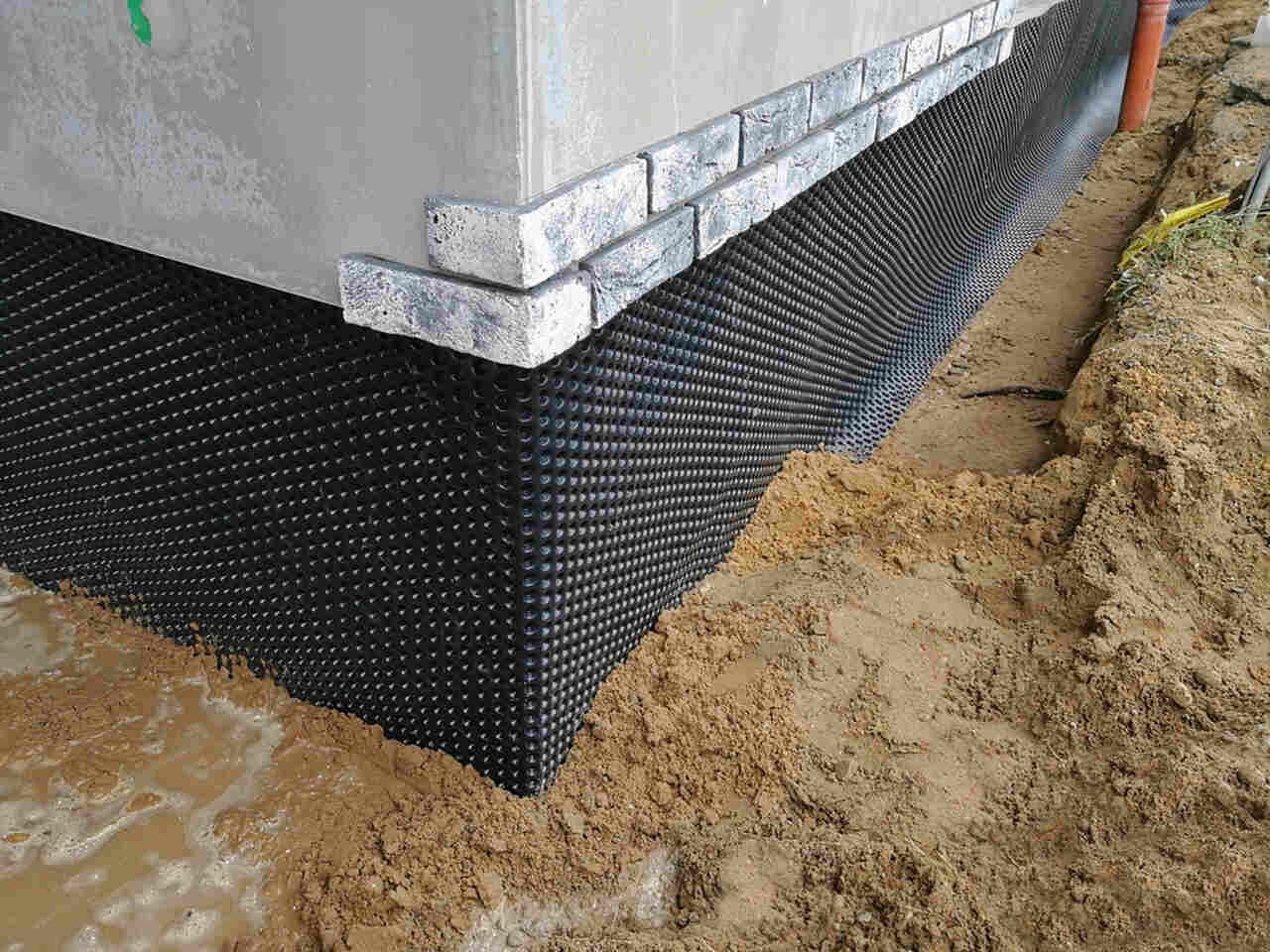
Water damage is one of the most underestimated threats to buildings. From terrace leakages to basement dampness, untreated moisture can silently weaken structures, reduce lifespan, and increase maintenance costs. A waterproofing product is not just a repair solution, it is a preventive investment that safeguards buildings against long-term deterioration.
Why Waterproofing Is Critical for Modern Buildings
A high-quality waterproofing products protects concrete and structural elements from water ingress, chemical attack, and weathering. In Indian conditions especially in coastal and high-rainfall regions buildings are constantly exposed to humidity, temperature variation, and heavy monsoons.
When waterproofing is ignored, common problems arise:
- Roof slab leakage and seepage
- Cracks at expansion joints
- Corrosion of steel reinforcement
- Mold growth and indoor air quality issues
This is where an integrated roofing system, advanced protective coating products, durable joint solutions, and performance enhancers like micro silica play a vital role.
Roofing System Waterproofing: The First Line of Defence
A robust roofing system is the most critical waterproofing zone of any structure. Roof slabs, podiums, and terraces face direct exposure to rain, UV radiation, and thermal stress.
Modern waterproofing services use:
- Liquid-applied membranes
- Cementitious waterproofing systems
- Elastomeric coatings with crack-bridging ability
These solutions create a seamless, flexible barrier that prevents water penetration while accommodating structural movement.
Protective Coating Products for Long-Term Durability
High-performance protective coating products enhance waterproofing by shielding surfaces from moisture, carbonation, and aggressive chemicals. These coatings are commonly applied on:
- Roof slabs and terraces
- Basements and retaining walls
- Industrial floors and water tanks
Protective coatings improve surface durability, reduce maintenance cycles, and significantly extend the service life of concrete structures.
Joint Solutions: Stopping Leaks at the Weakest Points
Construction joints, expansion joints, and cold joints are the most vulnerable areas for water leakage. Effective joint solutions are essential for a complete waterproofing strategy.
Professional waterproofing services use:
- PU sealants and elastomeric fillers
- Water bars and joint tapes
- Flexible joint treatment systems
Proper joint waterproofing prevents recurring leaks and structural stress during thermal expansion and contraction.
Micro Silica: Strengthening Waterproof Concrete from Within
Micro silica plays a crucial role in enhancing concrete waterproofing at the material level. As a highly reactive pozzolan, micro silica:
- Reduces concrete permeability
- Densifies the microstructure
- Improves resistance to water and chemicals
When used in roofing slabs and waterproof concrete, micro silica significantly increases durability and reduces long-term seepage risks.
FAQs on Waterproofing Service
What is the best waterproofing service for roofs?
A system combining a high-quality roofing system, protective coating products, and proper joint solutions offers the most reliable roof waterproofing.
How does micro silica help in waterproofing?
Micro silica reduces pore size in concrete, making it denser and less permeable, which improves waterproofing performance.
When should waterproofing be done during construction or later?
Waterproofing during construction is ideal, but professional waterproofing services can also rehabilitate existing structures effectively.
How long does a waterproofing system last?
With correct application and materials, a waterproofing service can last 10–15 years or more, depending on exposure conditions.