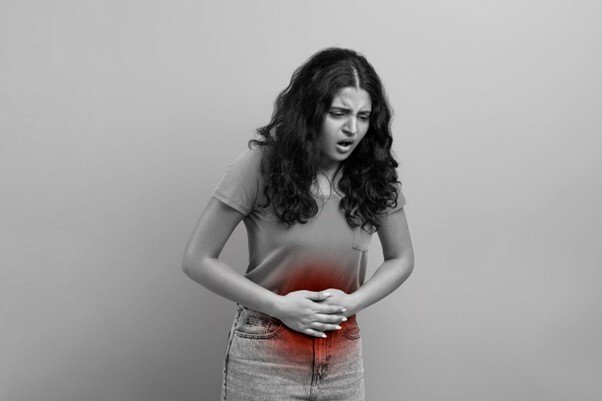
How many times have you been told that ‘period pain is normal’ and ‘everyone experiences cramps’? For many women, period pain is treated as a part of being a woman, a part of growing up. From initial support to silent dismissal, period pains are normalised slowly and gradually, with a hot water bottle at night or a painkiller slipped into the schoolbag. You don’t even realise when you get into the habit of cancelling pre-made plans with a quick ‘I’m not feeling well’, and pushing through daily chores, social events, and responsibilities while your body aches. And you suffer through all that, normalise the pain thinking, Everyone has painful periods, right? For many women, this quiet endurance is where the story of endometriosis actually begins.
This normalisation of pain is one of the biggest reasons early endometriosis symptoms are missed. Not because women aren’t paying attention, but because they’ve been taught not to. They’re told to expect pain, not question it. Yet for thousands of women, what’s dismissed as “just period pain” is their body trying to signal that something deeper is going on. In this post, we’ll explore why so many women dismiss signs of endometriosis as something normal and to be endured.
What We’re Taught to Accept
Women are taught to endure pain and other bodily challenges during periods as a normal thing. Pain during periods is indeed common, but common doesn’t always mean normal. Many women live with symptoms for years before questioning them, simply because they’ve been taught to bear menstrual pain silently. This mindset makes it harder to recognise when pain is signalling an underlying condition.
If you understand what is endometriosis, you can also get an idea of why it happens. Endometriosis occurs when tissue similar to the uterine lining grows outside the uterus, often causing inflammation and pain. However, these symptoms might not become known quickly. Usually, endometriosis symptoms aren’t very prominent. They often creep in slowly, becoming part of everyday life before anyone realises something more serious could be going on.
Early Symptoms Often Overlooked
The main reason why most women don’t even recognise the signs of endometriosis is that they’re not very obvious at first, which makes them easy to ignore. The early symptoms of endometriosis that many women experience but don’t pay much attention to are:
- Heavy period pain that increases gradually over time or interferes with work, study, or social life.
- Pelvic pain that keeps coming back, even outside of periods, and doesn’t fully go away.
- Pain during or after sex that feels uncomfortable to talk about.
- Bloating, bowel discomfort, or digestive issues experienced during the menstrual cycle.
- Ongoing fatigue that feels heavier than normal tiredness.
Because these symptoms of endometriosis don’t always show up all at once, they’re often explained away as stress, gut issues, or “bad periods”. Even many gynaecologists and GP doctors sometimes fail to identify these conditions as warning signs of endometriosis. They often misdiagnose these symptoms as PCOS, IBS, etc.
Why Pain Gets Downplayed
Women failing to understand and identify pain as a sign of a deeper problem, mainly because of the culture and upbringing they’re given. Period pain and other symptoms like bloating, nausea, constipation, diarrhoea, etc., are often normalised and dismissed as something common that all women go through. That’s why many women endure this pain to avoid feeling like they’re being dramatic or overreacting. Others worry they’ll be told it’s normal, hormonal, or something they just need to manage better. This can lead to years of silent coping, even as symptoms worsen.
Unfortunately, even when women ignore the pain, pain doesn’t ignore them. Chronic pain can impact work performance, mental health, relationships, and confidence, thus significantly disrupting their quality of life. For some women, the delay in recognising the problem makes the journey to diagnosis longer and more frustrating.
What Women Should Remember
When it comes to endometriosis awareness, one key message doctors want women to remember is that consistent heavy period pain is not normal. Repeated pain even outside of periods can be your body’s way of signalling another issue. While not every painful period means endometriosis, ongoing or severe symptoms should never be ignored or minimised. If you notice symptoms early on, talking to a doctor can help rule things out, provide reassurance, or identify patterns that need further assessment.
When to Speak Up
If pain shows up regularly, worsens over time, or affects your daily routine, it’s time to consider visiting a doctor. They can help you keep track of endometriosis symptoms, note when they occur, and explain how they affect your life. A local GP, like GP@Northbourne, who listens to your issues and takes your symptoms seriously can make a meaningful difference in identifying the problem early. You can start by approaching them for primary care, then get their support and guidance to explore the next steps.
Endometriosis awareness starts with challenging the idea that pain should simply be tolerated. Remember that your experience is valid, and your discomfort deserves attention. If something feels off, don’t dismiss it as “just period pain.” Paying attention to the early signs of endometriosis can help protect your well-being and improve your quality of life over time.