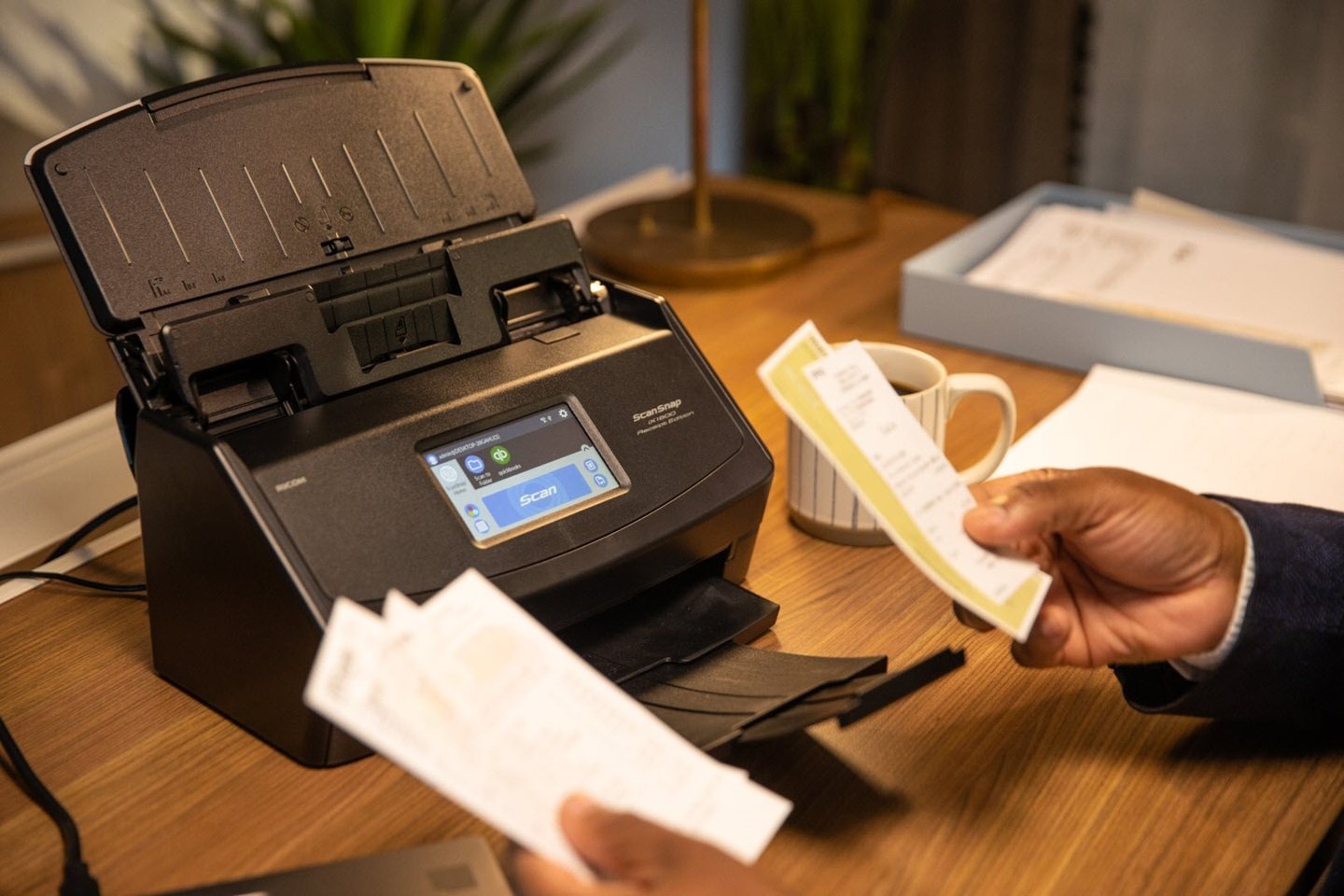
Managing finances—whether for a household or a growing business—often comes down to how well records are organized. Receipts, invoices, and proof-of-purchase documents pile up quickly, and relying on shoeboxes, folders, or phone photos can lead to lost information and unnecessary stress. As more people move toward digital-first financial management, receipt scanners have become an essential tool for maintaining clarity, accuracy, and control.
Dedicated receipt scanners are designed to streamline the process of capturing, organizing, and storing financial documents. Instead of manually entering expenses or sorting through stacks of paper, users can digitize records efficiently and create a searchable, well-organized archive that supports smarter financial decisions.
How Receipt Scanners Simplify Expense Tracking
Expense tracking is one of the most time-consuming aspects of personal and business finance. Receipts come in different sizes, formats, and conditions—some faded, some crumpled, and others printed on glossy thermal paper. Trying to manage these documents manually or through phone apps often leads to inconsistent results and missing data.
Receipt scanners simplify this process by creating clean, high-quality digital copies in seconds. Instead of photographing each receipt and adjusting lighting or angles, users can feed documents directly into a scanner built to handle small, irregular papers. This consistency makes it easier to categorize expenses, attach receipts to transactions, and prepare for budgeting or tax season.
For small businesses, freelancers, and contractors, efficient receipt tracking directly impacts cash flow and compliance. Digitized receipts can be linked to accounting software, shared with bookkeepers, or stored securely for audits. This reduces the risk of missing deductible expenses or scrambling to locate documentation months later.
Personal finance also benefits from better organization. Tracking everyday expenses, warranties, and household purchases becomes far easier when receipts are digitized and searchable. Instead of digging through drawers, users can quickly retrieve records when returning items, filing claims, or reviewing spending habits.
Key Features That Improve Accuracy and Workflow Efficiency
Not all scanners are created equal, and the features built into receipt scanners are what make them especially valuable. Automatic document feeding, intelligent image enhancement, and accurate text capture help ensure that every receipt is readable and usable. These features reduce the need for rescanning and manual corrections, saving time and effort.
Accuracy is especially important when receipts are used for financial reporting. Clear scans help preserve key details such as dates, totals, vendor names, and tax amounts. This level of precision supports more reliable expense categorization and reduces errors during reconciliation or tax preparation.
Workflow efficiency improves further when scanners integrate smoothly with existing systems. Many users benefit from devices that support standardized scanning protocols, allowing them to work seamlessly with accounting platforms and document management tools. Choosing a twain compliant scanner ensures compatibility across a wide range of software environments, making it easier to automate scanning tasks and maintain consistent workflows.
Versatility is another advantage. While receipts are the primary focus, many users also need to digitize other financial or personal documents. Scanners that can handle different media types—such as photos, IDs, and records—add extra value. A picture scanner can be useful for preserving visual documents alongside receipts, creating a more complete digital archive without switching devices.
Why Dedicated Scanners Beat Mobile Apps
Mobile scanning apps are convenient for occasional use, but they introduce limitations that become obvious over time. Phone-based scans depend heavily on lighting, positioning, and manual cropping. When dealing with large volumes of receipts, these small inefficiencies add up quickly.
Dedicated receipt scanners offer a more controlled and repeatable process. They produce consistent results regardless of lighting conditions and allow users to process multiple documents in a single session. This reliability is especially important for businesses that handle receipts daily or weekly.
Security is another consideration. Financial documents often contain sensitive information, and scanning them through dedicated hardware allows users to maintain better control over where files are stored and how they’re shared. This is particularly important for businesses managing client expenses or confidential records.
Supporting Better Financial Habits Long Term
Organizing receipts isn’t just about short-term convenience—it’s about building sustainable financial habits. Digitized records make it easier to analyze spending patterns, identify savings opportunities, and plan for the future. For businesses, they support transparency, accountability, and smoother collaboration with financial professionals.
Receipt scanners also reduce physical clutter. By eliminating piles of paper, users can create a cleaner workspace and reduce the risk of losing important documents. Digital storage makes records easier to back up, protect, and retrieve when needed.
A Smarter Way to Manage Financial Records
Receipt scanners have become a foundational tool for anyone serious about financial organization. By simplifying expense tracking, improving accuracy, and integrating with modern workflows, they transform how personal and business finances are managed.
Whether you’re a small business owner preparing for tax season, a freelancer tracking expenses, or a household aiming for better budgeting, investing in the right scanning solution pays off over time. With dedicated receipt scanners in place, financial records become easier to manage, more reliable, and far less stressful—allowing users to focus on growth, planning, and peace of mind.