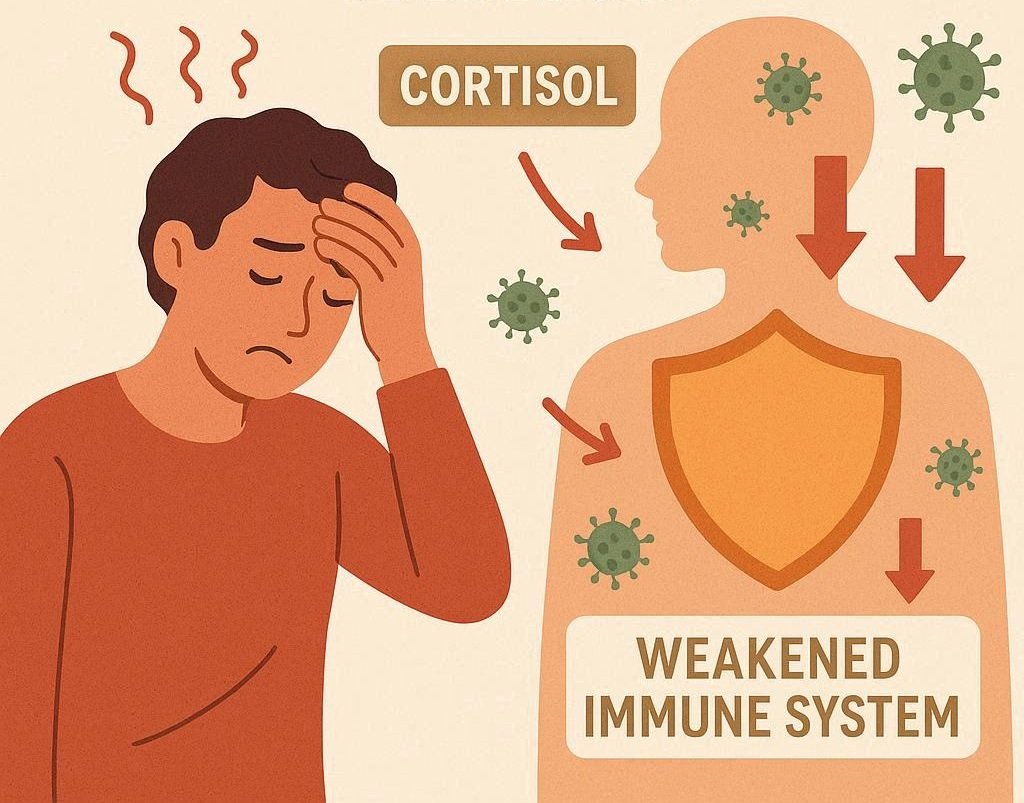
Stress is commonly viewed as an experience that can be mental or emotionally experienced but its impact goes well beyond what can be thought of in the head. Once the stress is chronic, the body starts to react biologically and this reaction may severely impair the body capacity of the body to protect itself against diseases. The focal point of this interaction is the interplay between the stress-related hormones and the immunosuppressive effect of which is mainly achieved by the long-term functioning of the hypothalamic-pituitary-adrenal (HPA) axis.
The immune system is highly dependent on the accurate coordination between cells, chemical release, and organs in the defense of the body against the pathogen. But in the case of chronic stress, the balance is broken by modifying the immune cells activity, decreasing inflammatory reactions, and making the body incapable of healing the disease. To explain the importance of stress hormones in terms of immunity, it is necessary to understand why it is important to manage stress effectively in the long term to be healthy.
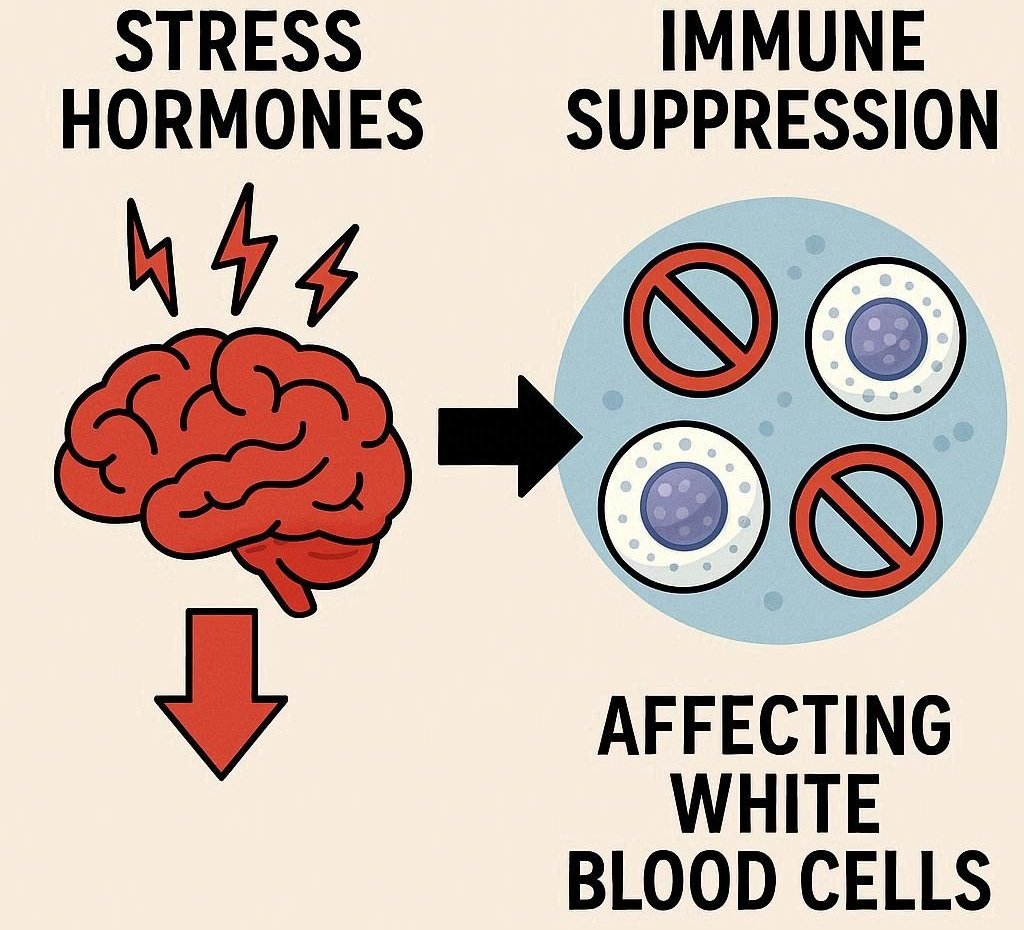
This article investigates the way stress hormones and especially cortisol disrupts the functioning of the immune system, make one prone to infection and slow healing. It also clarifies the reason as to why stress management is not a luxury, but a biological need to hold the immune system strong.
Learning about the Stress Response of the Body
Stress causes a complicated physiological reaction aimed at enabling the body to respond to instant dangers. The HPA axis is a pathway that allows the brain to communicate with the endocrine system; this is regulated in this suit response.
In response to the danger, corticotropin-releasing hormone (CRH) is released in the hypothalamus. This hormone directs the pituitary gland to release adrenocorticotropic hormone (ACTH) that in turn triggers the adrenal glands to produce cortisol. Whereas cortisol is critical in short-term existence, the chronic height causes interference with normal immune control.
During emergencies, cortisol momentarily inhibits inflammation to stop the excessive emission of the immune system. But as the stresses continue, this suppression becomes chronic and the immune system is less responsive and more susceptible.
The Function of Cortisol in the Regulation of Immune
The cortisol hormone is a glucocorticoid hormone which affects almost all the body systems. Its main action in stressful situations is mobilization of energy, control of blood pressure, and regulation of inflammation. In normal circumstances, the amount of cortisol decreases and increases in a regular routine.
This rhythm is broken by chronic stress thus resulting in continuously high levels of cortisol. The cells of immune system develop hypersensitivity to the signals of cortisol with time and this is called cortisol resistance. This disproportion weakens the immune system to react in an acceptable way towards infections and injuries.
High cortisol also lowers the synthesis and functioning of lymphocytes, such as T cells and B cells which play a crucial role in adaptive immunity. Consequently, the body finds it difficult to recognise and dispose pathogens effectively.
The Effect of Chronic Stress on the Immunity of the Cell
The chronic effect of stress hormones on immune defence, disrupts defence on various levels. The white blood cells that are the main defence actors in the body are specifically affected.
Diffused White Blood Cell Production
Constant exposure to cortisol inhibits the work of bone marrow, reducing the number of new immune cells produced. This decrease compromises the body with regard to the replacement of the immune cells lost in the course of infections or normal turnover.
Impaired T Cell Activity
T cells are vital in organizing immune responses, as well as, destroying infected cells. High cortisol suppresses the growth and communication of T cell, and their ability to fight viruses and bacteria.
Impaired Synthesis of Antibodies
The production of antibodies which neutralize the pathogens is done through B cells. The hormonal response associated with stress suppresses the production of antibodies which undermines long-term immunity and immunization.
Homogenization, Immunity and Hormonal Imbalance
Inflammation is also an essential part of immune defence which has to be strictly controlled. Cortisol usually plays a role in regulating inflammation by restraining overreaction of the immune system. But continuous stress results in an imbalance.
In other instances, chronic cortisol exposure would over suppress inflammation such that it inhibits a proper immune response. The immune cells in others will make them resistant to cortisol, and inflammation will run out of control and destroy tissues. This dual action leads to high vulnerability of infections and inflammatory diseases.
Stress Hormones and Risk of Infection
The increased illness in conjunction with chronic stress is well reported. Those who are stressed over an extended period have a higher chance of developing a cold on a regular basis, and developing infections that last longer and take longer to heal.
The weakness arises due to the fact that the stress hormones lower the immune surveillance which is the process through which the immune cells identify and kill the pathogens. Increased freedom of viruses and bacteria multiplication occurs as a result of reduced surveillance until the immune system reacts.
The Effect of Stress on Wound Recovery and Healing
The process of healing is an immune-based process that involves inflammation, cell-recovery and tissue repair. The chronic stress postpones all these phases.
Cortisol inhibits the discharge of growth factors and cytokines required in healing wounds. This leads to injuries that are slow to heal as well as an increased risk of infection. This has been a worrying effect especially in patients who have undergone surgery or have chronic conditions.
Stress, Immunity and Long-term Health Consequences
The long-term immune suppressive effects brought about by constant stress have widespread consequences. In the long run, compromised immune deficiency leads to development of chronic diseases that include cardiovascular diseases, metabolic diseases, and auto immune loss of function.
Immune disequilibrium due to stress contributes to the acceleration of biological aging through the amplification of oxidative stress and cell destruction as well. It is a process that lowers the capacity of the body to cope with the environments and stay healthy.
The Nervous System in Suppression of the Immune System
The functioning of the immune system is not an isolated one. It has a strong association with the nervous system by neural signalling and hormonal means. Chronic stress triggers the sympathetic nervous system that also impairs immune functioning by changing blood circulation in the body and distribution of immune cells.
It is through this interaction that stress-related immune suppression is experienced throughout the body and not in specific organs. It brings out the need to respond to stress in a holistic manner as well.
Getting Immune Resilience Requires the Use of Stress Management
Stress management has not only to do with emotional health, but is a biological mechanism of safeguarding immune functioning. Chronic stress can be minimized, and this helps in normalizing cortisol levels, which reinstates the activity of immune cells and inflammatory balance.
Immune recovery and hormonal regulation would be facilitated by healthy sleep patterns, physical activity, and relaxation methods. Reducing the long-term exposure to stress, the immune system returns a normal response to threats.
Conclusion
There is a close interrelationship between stress and immunity that occurs through hormonal and neurological mechanisms. Constant stimulation of the HPA axis results in the prolonged release of cortisol which weakens the activities of immune cells, interferes with the process of inflammation and predisposes the person to illness. This is the reason why most people who have been under prolonged stress are likely to develop frequent infections, delayed healing levels, and health problems that carry on to be experienced.
The biological explanation on the relationship between stress hormones and the alteration of immunity supports the role of stress management as a fundamental part of health care. Helping to maintain a hormonal balance and immune health, people will be able to bolster their natural defences and enhance their overall well-being.