Electrical systems are often hidden behind walls and ceilings, quietly supporting everything from lighting to appliances and security systems. Because these systems are largely out of sight, many issues can develop without obvious warning signs. A professional electrical inspection is designed to evaluate the condition, safety, and performance of a property’s electrical infrastructure, identifying concerns that may not be visible during everyday use.
Whether conducted for safety assurance, property evaluation, or system assessment, an electrical inspection follows a structured process. Licensed electricians examine key components to ensure they function correctly and align with current standards. Understanding what happens during a professional electrical inspection provides clarity on why this process is essential for residential and commercial properties alike.
Initial System Overview and Assessment
A professional electrical inspection begins with a general overview of the property’s electrical system. The electrician reviews the age of the building, the type of electrical setup in place, and any visible indicators of previous upgrades or modifications. This initial assessment establishes context and helps the inspector understand how the system was designed to function.
During this stage, the electrician may note the overall layout of electrical components, including service entrances, meter locations, and visible wiring paths. This broad evaluation allows the inspector to plan a more detailed examination of individual components later in the process.
Examination of the Electrical Panel
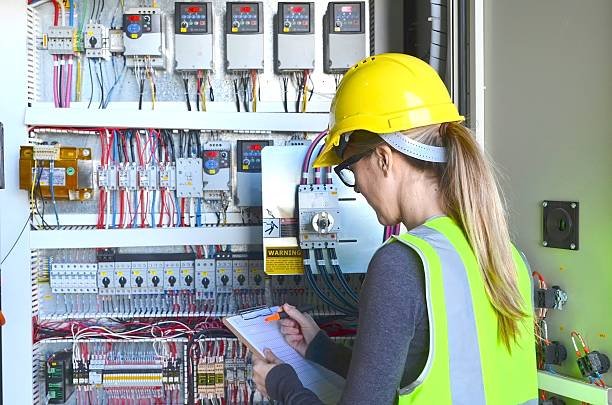
The electrical panel is one of the most critical elements inspected during the process. The electrician checks the panel’s condition, capacity, labeling, and overall organization. Breakers are examined for signs of wear, overheating, or improper installation. The inspector also verifies that the panel can safely handle the electrical load of the property.
Panel inspections often reveal issues such as outdated equipment, overloaded circuits, or loose connections. These conditions can affect system performance and long-term reliability. For properties requiring dependable Reliable Electrical Services, this step plays a central role in identifying capacity and safety concerns.
Inspection of Wiring and Connections
Wiring integrity is a major focus during an electrical inspection. Electricians examine visible wiring in accessible areas such as basements, attics, garages, and utility rooms. They look for signs of damage, aging insulation, corrosion, or improper installation methods.
Connections at junction boxes, outlets, and switches are also evaluated. Loose or deteriorated connections can create resistance and heat buildup over time. The inspection ensures that wiring materials and installation practices align with acceptable standards and that no visible hazards are present.
Evaluation of Outlets, Switches, and Fixtures
Outlets and switches throughout the property are tested for functionality and stability. The electrician checks for proper grounding, secure mounting, and consistent power delivery. Fixtures such as ceiling lights and wall-mounted lighting are examined for signs of overheating or electrical stress.
Special attention is given to areas with higher electrical exposure, such as kitchens, bathrooms, and outdoor spaces. These areas often include specialized outlets or fixtures that must operate correctly to maintain system balance and safety.
Grounding and Bonding Review
Grounding and bonding systems help control electrical flow and protect against unexpected faults. During an inspection, the electrician verifies that grounding components are properly installed and securely connected. This includes checking grounding rods, bonding jumpers, and connections to metallic systems.
Improper grounding can lead to erratic electrical behavior and increased risk of damage to appliances and equipment. Ensuring grounding systems function as intended is an essential part of maintaining electrical stability throughout the property.
Load Testing and Performance Checks
In some cases, electricians conduct performance checks to observe how the system operates under normal electrical demand. This may include testing voltage levels, verifying breaker response, and observing system behavior when multiple circuits are active.
Load testing helps determine whether the electrical system distributes power efficiently or shows signs of strain. These checks provide insight into how the system performs during everyday use and whether components are operating within acceptable limits.
Documentation and Findings Review
After completing the inspection, the electrician compiles observations and findings into a clear summary. This documentation outlines the condition of major components, highlights areas of concern, and records system characteristics. The findings help property owners understand the current state of their electrical system.
When inspections are carried out by experienced professionals like Great North Electrician, the process ensures that evaluations are thorough, accurate, and aligned with professional standards. Clear documentation supports informed decision-making regarding electrical planning and property management.
Conclusion
A professional electrical inspection is a structured and detailed process designed to evaluate the safety and performance of a property’s electrical system. From panel assessments to wiring evaluations and grounding reviews, each step focuses on identifying conditions that could affect reliability or efficiency. These inspections provide valuable insight into systems that are otherwise hidden from view.
By understanding what happens during an electrical inspection, property owners gain a clearer perspective on the importance of professional evaluation. Comprehensive inspections contribute to system awareness, long-term performance, and confidence in the electrical infrastructure supporting daily operations.