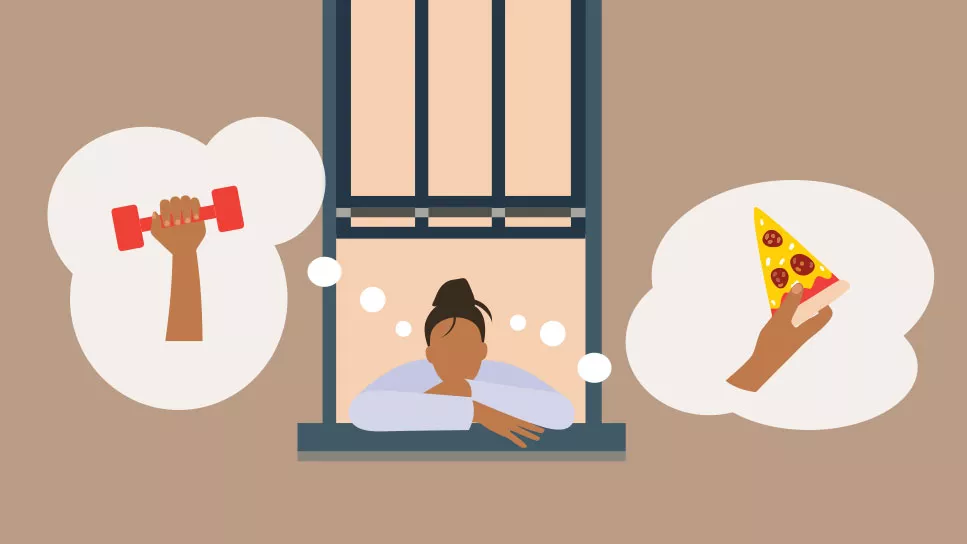
Many individuals eat food when they experience stress, sadness, loneliness, or overwhelm. In difficult times, people tend to munch on food. The excessive use of food for emotional coping may lead to negative outcomes in the long run. Therapy that tackles emotional eating can help in this.
People can learn what drives their eating habits thanks to emotional eating therapy. Eating food is not the answer. You will discover healthier methods for handling feelings and creating more harmony.
Eating is not always due to hunger; sometimes our feelings drive us to eat. Overeating may happen due to stress, boredom, fatigue, or problems. Most people choose sweet or fatty snacks because they provide quick comfort.
It takes more than willpower to stop. Usually, things being neglected are due to emotional needs that deserve some attention or satisfaction. Therapy for emotional eating helps individuals identify their emotional eating.
Recognizing Emotional Stimuli
Identifying triggers is the first step of emotional eating therapy. Some possible causes of depression are stress at the workplace, relationship problems, loneliness, and low self-esteem. You will start to identify what feelings make you eat. When you can identify your triggers, you will healthily respond to emotions and not use food.
Difference between Appetite and Feelings
Many people do not know if it is hunger for food or something else. Physical hunger develops over time and can be satisfied by anything. Feelings of emotional hunger usually arise impulsively in specific situations. Emotional eating therapy helps you take a pause and tune into your body. It allows us to consciously choose to eat for nourishment and not to numb.
Overcoming Guilt and Shame Related to Food
Emotional eating is often made worse by guilt. Feeling guilty while eating may hurt the mind and self-esteem, becoming lower in such a way. Therapy for Emotional Eating Nurtures the Compassionate Perspective. Therapy helps you recognize that emotional eating is an affected behavior, not a personal failure. With less shame, more space for action change.
Making Improved Coping Alternatives
Food should not be the only source of comfort. Emotional eating therapy enables you to develop new coping tools. Chill out, let it all out, and stress less. Having learnt healthier ways to cope with your feelings, you likely eat less. As time passes, you can learn to cope without food when faced with uncomfortable feelings.
Improving Our Relationship With Food
Therapy for emotional eaters promotes balance, not restriction. Striving for a strict diet often increases emotional eating by feeling deprived. The therapy helps in listening to your body and enjoying food. This process will help you re-establish trust with food and create lasting habits.
Learn Stress and Emotions: A New Perspective
One of the major culprits of emotional eating is stress. Stress, emotions & hectic lifestyle enhance the craving for junk foods. This therapy helps to relieve stress and deal with your emotions. Reduced stress levels help in regulating your eating habits.
Augmenting Personal Knowledge and Emotions
People do therapy to learn to recognize their feelings. Kids become more mindful of feelings and actions. These types of therapies strengthen feeling awareness. This gives one a chance to think about their feelings rather than just eating.
Allowing Change to Happen
Temporary solutions rarely solve emotional eating issues. Therapies focus on a long-term change through cause analysis. The therapy that deals with emotional eating allows a person to improve for good. As such, healthy habits become more natural and easier to maintain.
Who can take advantage of emotional eating therapy?
Those who view food as something controllable could benefit from emotional eating therapy. This is especially useful for individuals who often go on diets, dislike their bodies, or eat when stressed. It’s not necessary to have an eating disorder to benefit. Therapy allows people at various stages of life to cultivate emotional balance and healthier habits.
Emotional eating therapy can help you with
It is a safe and supportive experience in therapy. Talk as much as you want about food, feelings, and hurdles. A hypnotherapist helps you discover your treatment patterns, coping skills, self-care, and self-compassion. Don’t think of emotional eating therapy as a perfectionistic journey, but rather one you can move through at your own pace.
What do you receive from EFT?
Emotional eating therapy examines the psychological aspect of food. Because of this, people feel understood rather than judged. Therapy can change in a big way by focusing on feelings. Once emotional needs are addressed, our eating habits naturally improve.
Conclusion
A lot of people eat their feelings. Rejection occurs when emotional needs are not met. Emotional eating therapy can help provide understanding and learn to engage in more effective behaviours. With suitable support, emotional overeating therapy can transform your relationship with food, manage your emotions, and create lasting balance in your life.