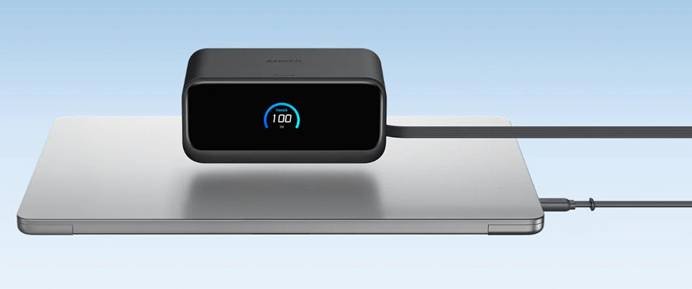
Shared spaces create unique charging challenges. Multiple people rely on the same area, often at the same time, and each person brings different devices with different needs. Phones dip in battery during meetings. Laptops need quick top-ups between tasks. Accessories appear and disappear throughout the day. In these environments, scattered chargers quickly become a source of friction. A charging station starts to make sense when power access affects how smoothly people share the space. It becomes less about speed and more about coordination. When charging feels predictable and fair, people focus on what they came to do instead of negotiating outlets or untangling cables.
Identifying Shared-Space Scenarios That Benefit From Charging Stations
High Device Turnover in Common Areas
A charging station proves its value when devices rotate frequently. This happens in offices, coworking lounges, classrooms, and even family living rooms. People connect briefly, disconnect, and move on. Individual chargers struggle in these settings because they assume long, personal use. A centralized station handles turnover better. It allows users to plug in quickly without rearranging the entire setup. Ports stay accessible, and cables remain visible and ready. Over time, this rhythm reduces interruptions. The station becomes part of the space’s infrastructure rather than a personal accessory. In high-turnover environments, reliability matters more than raw charging speed.
When Personal Chargers Cause Clutter or Conflict
Shared spaces often reveal hidden tensions around charging. Someone borrows an adapter and forgets to return it. Another person blocks an outlet with a bulky plug. Cables sprawl across tables and floors. These small issues add up. A charging station addresses them by creating a neutral zone. Everyone uses the same resource, and expectations become clear. Ports belong to the space, not to individuals. This shift reduces conflict and keeps surfaces tidy. Stations with organized layouts and retractable cables support this neutrality. They remove the need for personal chargers and make shared use feel intentional rather than improvised.
Spaces That Balance Work and Social Use
Some shared spaces switch roles throughout the day. A dining table becomes a workspace. A meeting room turns into a collaboration hub. A family room hosts both relaxation and productivity. In these hybrid environments, flexibility matters. A charging station adapts to changing needs without constant reconfiguration. People can charge laptops during focused work and phones during casual use. The station stays in place while usage patterns shift. This adaptability explains why charging stations fit naturally into shared spaces that resist strict definitions. They support transitions instead of interrupting them.
What Makes a Charging Station Suitable for Shared Use?
Clear Layout That Encourages Fair Access
Fair access is essential in shared environments. A charging station should communicate availability at a glance. Users should immediately see which ports are free and where to connect. Clear separation between AC outlets and USB ports helps prevent confusion. When the layout feels intuitive, people spend less time hovering or asking questions. They plug in and move on. This efficiency keeps the space flowing. Stations that combine multiple port types in an orderly way support this behavior. They allow different devices to coexist without competition. Fairness emerges not from rules, but from design clarity.
Cable Control That Respects Shared Surfaces
Cables define how shared spaces look and feel. Loose cords quickly make a space appear chaotic and neglected. Retractable cables change this dynamic. They extend only when someone needs them and disappear afterward. This behavior keeps surfaces clean and reduces wear. It also signals shared responsibility. Users naturally retract cables when finished because the action is simple. Over time, this reinforces respectful use. A charging station with built-in cable management aligns well with shared environments because it supports tidiness without requiring enforcement or reminders.
Power Handling That Supports Simultaneous Use
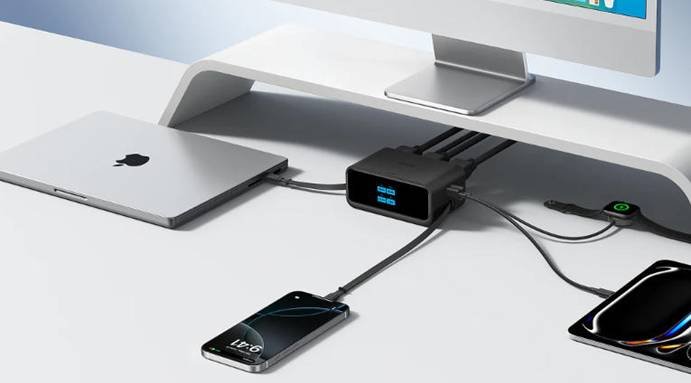
Shared spaces rarely follow predictable charging patterns. Several people may plug in at once, often without coordination. A suitable charging station handles this silently. It distributes power across connected devices and maintains stability. Users do not need to negotiate who charges first. The system manages demand in the background. This reliability builds trust. People stop worrying about whether charging will slow down or fail. A product like the Anker Nano Charging Station (7-in-1, 100W) fits naturally into shared setups because it supports multiple devices at once while maintaining an organized footprint that suits communal areas.
Conclusion
A charging station makes sense for shared spaces when charging behavior affects how people interact with the environment and each other. High device turnover, frequent clutter, and mixed usage patterns all signal the need for a centralized solution. The right station brings order without imposing rules. It encourages fair access through a clear layout, keeps surfaces clean through thoughtful cable control, and supports simultaneous use through stable power handling. In offices, homes, and public settings, these qualities reduce friction and improve flow. Whether the goal is a neutral workspace hub or an apple charging station alternative for communal areas, a well-chosen charging station turns shared power access into a quiet, dependable service rather than a daily negotiation.