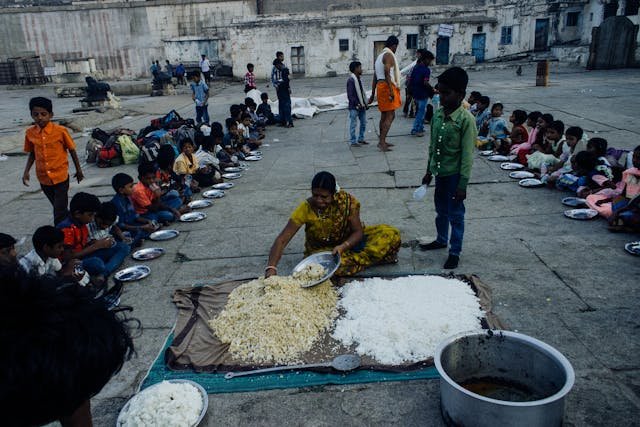
Food is far more than nourishment. It is memory, tradition, celebration, and identity served on a plate. Across generations, recipes have been passed down not just to preserve taste but to carry stories, rituals, and values. When people gather around food, they share more than a meal. They share moments, emotions, and connections that stay long after the last bite.
In India, food plays an especially powerful role. Every region has its own culinary language shaped by geography, climate, history, and local produce. From humble home kitchens to bustling restaurants, food continues to be one of the strongest expressions of cultural pride and regional diversity.
The Rich Foundation of South Indian Cuisine
South Indian food is often associated with staples like rice, lentils, coconut, tamarind, and spices that are layered rather than overpowering. The cuisine focuses heavily on balance, combining textures, temperatures, and flavors in thoughtful ways.
Fermentation is a defining feature, giving dishes like idli and dosa their lightness and depth. Slow cooking techniques bring out the richness in sambars, rasams, and vegetable preparations. Even the simplest meals are carefully structured to include contrast and harmony.
What makes South Indian food stand out is its respect for ingredients. Nothing is rushed. Everything has a purpose, from tempering spices to grinding fresh pastes.
Regional Differences That Shape Flavor
South India is not a single cuisine. Tamil Nadu, Kerala, Karnataka, Telangana, and Andhra Pradesh each bring their own culinary identity to the table.
Tamil food is known for its earthy, tangy flavors and structured meals served traditionally on banana leaves. Kerala cuisine leans heavily on coconut, seafood, and gentle spices, influenced by coastal living and trade history. Karnataka offers a mix of mild and bold flavors, often using jaggery and coconut together. Andhra and Telangana dishes are famous for their heat, strong spice blends, and bold use of chilies.
These regional differences ensure that no two meals feel the same, even when they share similar ingredients.
The Evolution of Dining Experiences
As lifestyles have changed, so has the way people experience food. Urbanization, travel, and exposure to global cuisines have influenced how restaurants design menus and dining spaces. Today, diners seek variety, comfort, and familiarity in equal measure.
This has led to the rise of curated food experiences where traditional recipes coexist with contemporary presentation. Restaurants are experimenting with fusion, plating styles, and ingredient sourcing while still respecting authenticity.
In this evolving landscape, Multi-Cuisine Restaurant South India has become a popular way for people to explore diverse regional and global flavors in one place without losing the soul of local food traditions.
The Role of Ambience and Presentation
Modern dining is as much about atmosphere as it is about taste. Lighting, music, seating, and service all shape how food is perceived. A thoughtfully designed space can elevate a simple dish into a memorable experience.
Presentation has also gained importance. Clean plating, balanced portions, and visual appeal now complement flavor. However, the best dining experiences ensure that presentation never overshadows taste. Food still remains the hero.
Restaurants that strike this balance often leave a lasting impression on diners, encouraging them to return not just for the menu but for the overall experience.
Street Food and Everyday Eating
While restaurants offer curated experiences, street food represents the heartbeat of food culture. It is spontaneous, affordable, and deeply rooted in local habits. From crispy vadas and piping hot bajjis to spicy chaat and refreshing buttermilk, street food reflects everyday life.
These foods are often eaten standing by the roadside, shared with friends, or enjoyed during quick breaks. Despite their simplicity, they carry bold flavors and emotional familiarity.
Street food also serves as an entry point for many people to understand regional tastes before exploring more elaborate dishes.
Food and Social Connection
Food has always brought people together. Festivals, weddings, family gatherings, and religious events revolve around shared meals. In South India, food is often prepared and served with a sense of generosity and care.
Serving food is considered an act of respect. Guests are encouraged to eat well, take second helpings, and feel at home. This hospitality extends beyond homes into restaurants and community spaces.
Shared meals create bonds. They open conversations, dissolve differences, and build trust in subtle but powerful ways.
Health, Balance, and Conscious Eating
Traditional South Indian food has long emphasized balance and moderation. Meals are designed to support digestion, energy levels, and overall wellbeing. Spices are used not just for flavor but for their functional properties.
With growing awareness about health, many diners are returning to traditional food patterns that focus on whole ingredients and mindful eating. Restaurants are also responding by offering lighter options, portion control, and transparency about ingredients.
This shift reflects a desire to enjoy food without guilt, honoring both taste and health.
Preserving Tradition While Embracing Change
The future of food lies in preserving tradition while welcoming innovation. Chefs, home cooks, and restaurateurs play a crucial role in keeping recipes alive while adapting to modern tastes and expectations.
By respecting roots and experimenting thoughtfully, food culture continues to grow without losing its identity. This balance ensures that future generations can enjoy both authenticity and variety.
Final Thoughts
Food is a living expression of culture, memory, and creativity. In South India, it tells stories of land, people, and time through flavors that are comforting and complex in their own quiet way.
As dining experiences evolve, the heart of food remains unchanged. It continues to connect people, celebrate diversity, and offer joy through shared experiences. Whether enjoyed at home, on the street, or in a thoughtfully designed restaurant, food remains one of the most meaningful ways we experience the world.