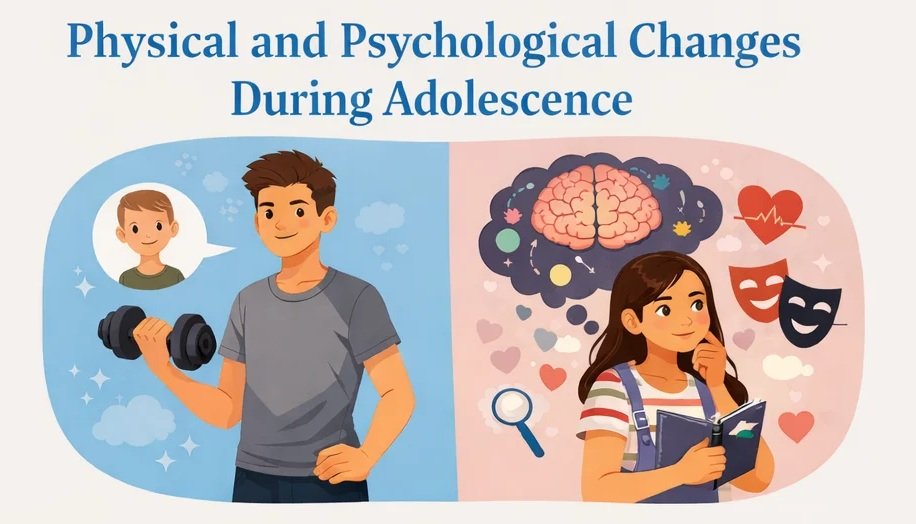
The adolescence stage is one of massive growth and change which can be said to be the transition between childhood and adulthood. At this age, the changes that occur in the body of the individuals are fast, cognitive functions are developing, and emotions are becoming complicated. It is important that parents, teachers, and other caregivers understand such changes to help the adolescents better and take them through this very important phase.
Adolescence as a Critical Developmental Stage
Adolescence can be seen as a developmental stage between 10 and 19 years and even change these limits. It is not just a transition process but rather the adolescence as a critical developmental stage as it is seen that biological, psychological, and social changes come into play to determine future adult behaviors and personality.
Puberty signals the beginning of adolescence, an event of hormonal changes, which initiate profound physical development and sexual maturation. At the same time, the adolescent brain is experiencing structural and functional alterations, which determine the decision-making, emotional control, and social behavior.
Physical Adolescent Changes
Puberty and Hormonal Development
Puberty is one of the most observable factors of adolescence. Hormonal changes which involve the gonads, pituitary gland and Hypothalamus initiate puberty. The hormones, especially growth hormone, testosterone in men, and estrogen in women, are what stimulate the rise of the secondary sexual traits and the spurts of growth.
- Growth Spurts: Teenagers tend to have sudden weight and height gains. Girls at the age of 10-12 usually grow earlier than boys and boys grow later at the age of 12-14 years.
- Growth of Sexual Characteristics: During puberty, girls develop breasts, begin to menstruate and have broad hips. The effects of puberty in boys are an increase in muscle mass, the deepening of the voice, and the development of facial and body hair.
- Behavioral Change in Body Composition: With hormonal changes, there is a shift in fat storage and muscle growth, which may affect self-image and body confidence.
Brain Development
Although physical changes are very evident, the process of adolescence is also connected with the major neurological alterations. The teenage brain is experiencing synaptic pruning and this is the process in which neural connections which are not used are disconnected and myelination, the process that fortifies the surviving brain connections, takes place.
- Prefrontal cortex development: The prefrontal cortex, which is in charge of planning, impulse control, and reasoning, is also developing during adolescence to early adulthood.
- Limbic System Activity: represents the faster growing part of the brain that controls emotions and reward process and is done by the limbic system. Such a disproportion leads to the increase in emotional reactions and risk-taking.
- Cognitive Advances: The adolescents started to think more abstractly, think hypothetically and start developing their problem solving abilities. These are cognitive transformations that are necessary in identity exploration and moral reasoning.
Developmental Psychology Adolescence
Identity Formation
An identity is one of the main tasks of adolescence. Teenagers experiment with personal values and beliefs and social roles in the process of defining self-identity. Psychologist Erik Erikson has defined this stage as the stage of identity vs role confusion which is the clash of self identity discovery and social expectations.
- Development of Interests: Teens are tested in hobbies, friends and roles to find out what they like and are good at.
- Peer Influence: Peer acceptance becomes decisive and affects the behaviors, fashion choice, and social relationships.
- Autonomy and Independence: Teenagers start to want to gain independence over parents, and they push the limits and make their own choices.
Emotional Regulation
The emotional growth of adolescence is fast and complicated. A drastic emotional change is caused by hormonal changes, brain maturation, and social influences.
- Mood Swings: The regular change of moods is common in most adolescents by hormonal reactions and the change in coping styles.
- Heightened Sensitivity: Teenagers are more likely to be vulnerable to rejection, evaluative scrutiny, and criticism.
- Coping Strategies: A person can better cope with stress and frustration as they age and are guided, but in mid-adolescence, it is usually not consistent.
Social and Moral Development
Teenagers enlarge their social worlds and make significant friendships and even test love. Their insight into ethical principles, fairness, and justice are also improved in a more advanced way.
- Peer Relationships: Friendships are known to support emotionally, create empathy and shape identity.
- Romantic Interests: New sexual awareness and experimentation of intimate relations are the important elements of the social development of adolescence.
- Moral Reasoning: The teens start to doubt the authority and social conventions and create their own ethical standards and a sense of justice.
Typical Problems in Adolescence
Awareness of the problem of adolescents can allow adults to offer more effective guidance. Some common issues include:
- Body Image Issues: Self-consciousness and low-self esteem may occur due to the rapid changes of the body. These concerns may be increased through social media and peer comparison.
- Emotional Swings: Adolescents usually have problems with moodiness and stress coping. Emotional coaching and supportive environments are required.
- Risk-Taking Behavior: The lack of balance between a very active limbic system and a developing prefrontal cortex is one of the factors that promotes impulsive or risky choices.
- Academic and Social Pressures: Pressures at school, peer pressure, and family can be a source of stress and anxiety. Teenagers might not be able to find a balance between obligations and personal life.
Helping Adolescents with Development
Educators, parents, and care nurses are important in aiding adolescents go through these turbulent changes.
Encouraging Wholesome Physical Growth
- Nutrition and Exercise: Proper nutrition and physical exercise help in growth and well-being.
- Sleep Hygiene: teenagers need 8-10 hours of sleep to be able to work optimally and think.
- Medical Advice: Anxiety can be mitigated by regularly undergoing health check-ups and medical advice on how changes during puberty affect health.
Promoting Psychological and Emotional Development
- Open Communication: By promoting the space in which teens feel not afraid to express feelings and issues, a culture of trust and resilience will be established.
- Practicing Coping Skills: Adults are able to show effective stress management, problem-solving and emotional regulation.
- Identity Exploration: Identity helps teenagers gain self-confidence in themselves and their personal interests by supporting teenagers to explore their hobbies, express creativity, and understand themselves.
Cultivating Social and Moral Growth
- Peer Interaction: Good peer relationships are supportive, empathetic and offer direction to deal with social issues.
- Relationship Advice: Adults may provide information about good friends and romantic relationships without interfering with the autonomy of adolescents.
- Ethical and Critical Thinking: The promotion of morality thinking, social problems, and ethical choices assists adolescents in the formation of a strong value system.
The Reasons to Comprehend Adolescence
By understanding that adolescence is a process of high tension and intense development, adults will be able to act with patience, compassion, and informed assistance. It is important to note that the interpretation of adolescent behavior as rebellious and problematic will cause failure in communication and mentoring.
Knowing the physical, mental and emotional transformations that take place in this stage, parents and educators can:
- Give attainable behavioral and decision-making expectations.
- Prosocial coping with stress and peer pressure.
- Promote self discovery and values.
- Encourage physical health, emotional state, and academic development.
Conclusion
Adolescence is a period of change, which is characterized by fast physical, intellectual, and emotional development. Puberty is triggered by hormonal changes, cognitive capabilities are amplified by brain development and identity is formed through social exploration. Although these changes may be difficult, it is necessary to develop a healthy and independent adult.
The concept of adolescence as a pivotal period in life will also give all parents, teachers, and caregivers the necessary instruments to help them offer effective assistance, build resilience, and enhance positive development. Society can also accept the dynamics of teenage years and teach them to make it through these challenging years to have a successful and confident adult life now.


