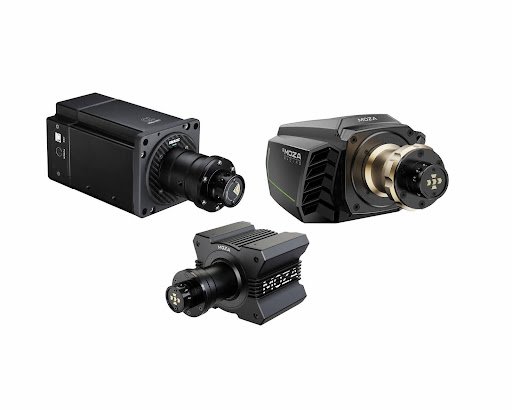
Precision engineering, rising expectations, and a crowded premium field define modern sim racing hardware. This deep dive examines where Conspit fits today—how it positions itself against established competitors, what it prioritises in design and performance, and how racers can decide whether it belongs in their next upgrade path.
Introduction
In the last decade, sim racing hardware has shifted from niche accessories to professional-grade equipment shaped by engineering rigor and increasingly discerning users. Amid this evolution, Conspit has emerged as a brand drawing attention for its focused approach to realism, build quality, and modular design. Rather than chasing mass-market appeal, it operates squarely in the performance-driven segment, where torque fidelity, premium materials, and deep tuning capabilities matter most. Understanding where Conspit sits within the broader ecosystem requires context—how the market is structured, what serious sim racers demand today, and how newer manufacturers establish themselves alongside long-standing leaders. This article maps that landscape clearly and objectively.
The Current Sim Racing Hardware Landscape
Market Segmentation at a Glance
The modern sim racing market is broadly divided by performance expectations, price, and user intent.
1) Entry-Level and Enthusiast Gear
- Designed for accessibility and ease of use
- Emphasis on affordability and bundled ecosystems
- Limited tuning depth and torque output
2) Prosumer and Premium Equipment
- Built for realism, consistency, and longevity
- Higher torque, advanced electronics, and robust materials
- Modular systems allowing incremental upgrades
3) Professional and Esports-Focused Hardware
- No-compromise engineering and durability
- Extensive software control and calibration options
- Pricing reflects specialist manufacturing
Conspit operates decisively in the latter two tiers, targeting users who value precision over plug-and-play simplicity.
Conspit’s Design Philosophy and Brand Positioning
Engineering-First, Not Marketing-First
A defining characteristic of the brand is its restrained, technical design language.
1) Purpose-Driven Aesthetics
- Minimal visual embellishment
- Functional layouts prioritising ergonomics
- Materials chosen for performance, not appearance
2) Hardware as a Platform
- Components designed to work within modular ecosystems
- Compatibility considerations across cockpits and rigs
- Emphasis on long-term ownership rather than rapid replacement
This approach positions the brand alongside specialist manufacturers rather than lifestyle-oriented gaming brands.
Hardware Focus Areas: What Conspit Prioritises
Direct Drive Wheelbases
Direct drive technology has become the benchmark for high-end sim racing.
1) Force Feedback Fidelity
- Smooth torque delivery across the full range
- Reduced cogging and mechanical noise
- High-resolution signal processing
2) Structural Integrity
- Rigid housings to minimise flex
- Thermal management for sustained sessions
- Mounting solutions suited to rigid aluminium rigs
These priorities align with serious sim racers who value consistency lap after lap.
Steering Wheels and Input Precision
Wheel design is central to immersion and control.
1) Ergonomic Consistency
- Button placement within natural thumb reach
- Paddle systems tuned for repeatable actuation
- Grip materials chosen for long sessions
2) Expandability
- Support for different racing disciplines
- Interchangeable components where possible
- Firmware updates that extend functionality
Rather than offering dozens of cosmetic variants, the focus remains on functional adaptability.
Pedals and Braking Realism
Pedals are often where performance gains are most noticeable.
1) Load-Based Braking
- Emphasis on pressure rather than travel
- Progressive resistance curves
- Mechanical feedback that mirrors real braking forces
2) Adjustability for Driving Styles
- Customisable pedal spacing and angles
- Resistance tuning without full disassembly
- Software calibration supporting muscle-memory development
This places Conspit firmly in the camp of brands that prioritise driver training realism.
Software Integration and User Control
Tuning Depth Without Excess Complexity
High-end hardware demands sophisticated software, but usability remains critical.
1) Granular Adjustment Options
- Fine control over force feedback parameters
- Profiles tailored to different simulation titles
- Persistent settings stored at device level
2) Stability and Consistency
- Firmware updates focused on refinement
- Predictable behaviour across sessions
- Minimal reliance on background applications
This balance appeals to racers who want control without constant reconfiguration.
Competitive Positioning in the Premium Segment
How Conspit Compares Conceptually
Rather than competing on brand recognition alone, the company competes on engineering alignment.
1) Against Established Premium Brands
- Comparable focus on realism and durability
- Smaller product range with tighter quality control
- Less emphasis on mass-market ecosystems
2) Against Emerging Boutique Manufacturers
- Stronger emphasis on integrated systems
- More conservative, reliability-driven development
- Clear performance benchmarks rather than experimental features
This positioning suggests a long-term strategy rather than rapid expansion.
Who Should Consider Conspit Hardware?
Ideal User Profiles
Not every sim racer benefits equally from premium hardware.
1) Dedicated Sim Racers
- Already using rigid cockpits
- Comfortable with calibration and tuning
- Prioritise driving feel over visual flair
2) Competitive and Training-Focused Drivers
- Value repeatability and feedback accuracy
- Seek hardware that supports skill development
- Willing to invest time in optimisation
For casual or space-constrained users, simpler ecosystems may remain more practical
Actionable Buying Considerations
Making an Informed Decision
Before committing, prospective buyers should assess their broader setup.
1) Rig Compatibility
- Ensure cockpit rigidity matches torque output
- Confirm mounting standards and clearances
- Plan cable management early
2) Upgrade Path Planning
- Identify which components matter most initially
- Consider future expansions within the ecosystem
- Budget for incremental improvements
3) Software Ecosystem Fit
- Check compatibility with preferred simulation titles
- Evaluate tuning depth versus personal preference
- Factor in learning curve expectations
These steps help ensure that premium hardware delivers its full value.
Final Thoughts
The sim racing hardware landscape continues to mature, with clearer distinctions between casual gaming peripherals and serious driving tools. Within this environment, Conspit occupies a defined and deliberate position. It does not attempt to be the most accessible or the most visually striking brand. Instead, it prioritises mechanical integrity, feedback accuracy, and long-term usability for committed sim racers. Its approach reflects a broader shift in the market toward equipment that supports skill development rather than spectacle. For drivers prepared to invest in a rigid rig, spend time tuning their setup, and value consistency over convenience, it represents a compelling option. Ultimately, its place in today’s landscape is not about volume or hype, but about serving a knowledgeable audience with precision-focused hardware built for serious virtual driving.