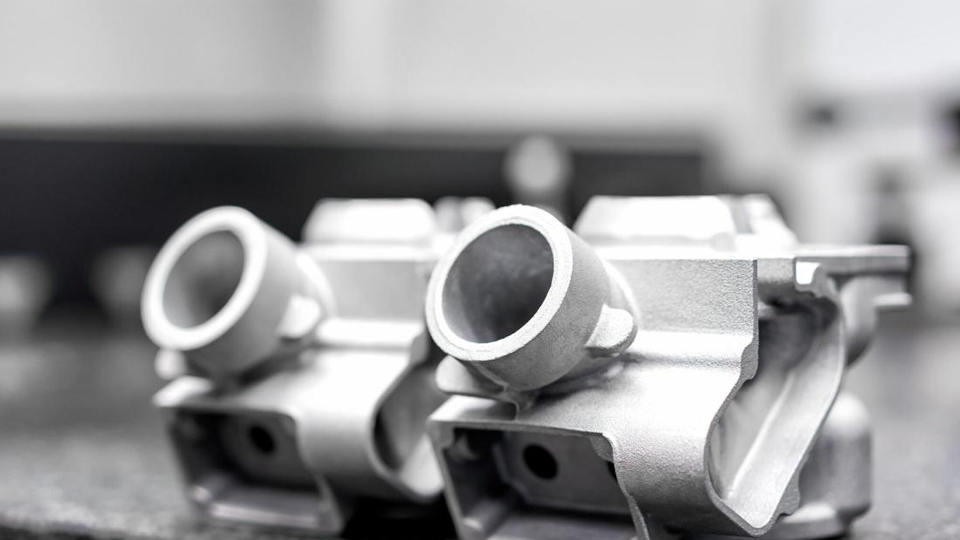
Die casting is one of the most sophisticated and efficient metal-forming technologies in contemporary manufacturing. As an engineer deeply involved in the intricacies of metallurgical integrity and production efficiency, I have observed that selecting the right manufacturing process requires a profound understanding of its technical trade-offs.
Die casting, specifically high-pressure die casting, is a process in which molten non-ferrous alloys are injected into precision-engineered steel molds (dies) under extreme pressure. While it mirrors the principles of plastic injection molding, the thermal and mechanical stresses involved are significantly higher.
The following analysis discusses the strategic advantages and inherent limitations of die casting service from a technical and economic perspective.
Strategic Advantages of Die Casting
1. Precision Engineering for Thin-Walled Geometries
One of the most remarkable capabilities of die casting is the production of complex, lightweight components with exceptional strength-to-weight ratios. In our facility at Getzshape, we can achieve wall thicknesses as low as 0.5mm for aluminum alloy and an impressive 0.3mm for zinc alloy. This capability is vital for electronics and automotive, where miniaturization and weight reduction are critical without compromising structural rigidity.
2. Good Mechanical Properties
The rapid solidification of molten metal under high pressure results in a fine-grained, dense crystalline structure. This metallurgical refinement imparts superior mechanical properties to the parts. Die-cast components exhibit high tensile strength, stiffness, and hardness compared to sand castings. Furthermore, the inherent thermal and electrical conductivity of alloys like aluminum and copper remains highly stable.
3. Dimensional Integrity and Tight Tolerances
Die casting provides good dimensional stability. Even under high-volume production runs, the process maintains tight tolerances, typically ranging from IT13 to IT15, with even tighter capabilities reaching IT10 to IT11. This near-net-shape manufacturing significantly reduces or eliminates the need for secondary machining operations, thereby maximizing material utilization and reducing lead times.
4. Exceptional Surface Finish
The finish of a die-cast part is often smooth enough for immediate use. Provided the die surface is meticulously maintained and the process parameters such as injection speed and temperature are optimized, parts emerge with a crystalline luster. This reduces the cost of post-processing, though parts can still be easily electroplated, painted, or powder-coated if aesthetic or functional requirements dictate.
5. Economic Scalability
While the initial capital expenditure for tooling is high, the cost-per-unit drops dramatically in mass production. The high cycle speeds, especially in Hot chamber die casting for low-melting-point alloys, allow for the rapid amortization of die costs, making it the most affordable solution for large-scale manufacturing.
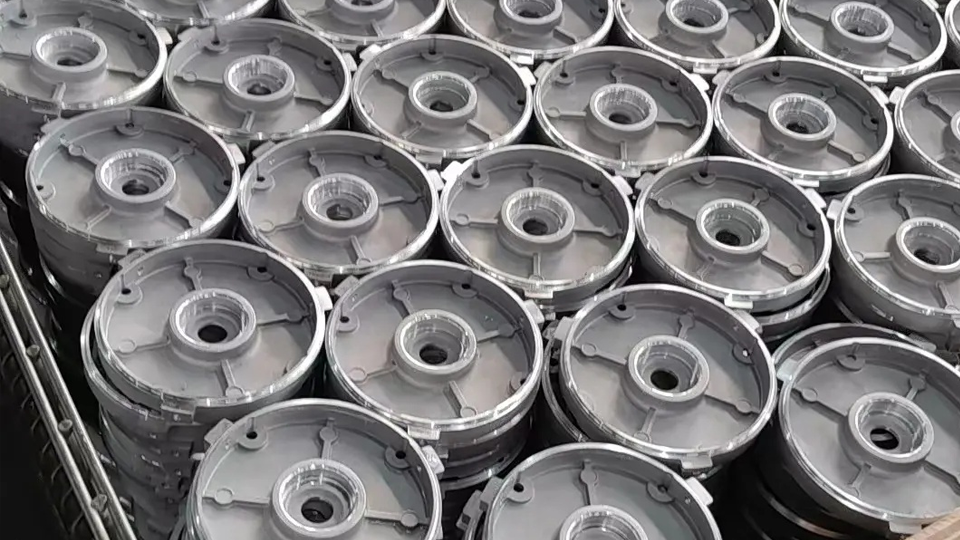
Limitations and Challenges
1. Internal Porosity
The primary challenge for any die casting engineer is managing porosity. Because molten metal is injected into the cavity at high velocities, air can become trapped, leading to gas porosity. This can compromise the structural integrity and prevent the use of high-temperature heat treatments, which might cause surface blistering. To mitigate this, we must minimize machining allowances to avoid exposing the porous sub-surface layers.
2. Material Constraints
Die casting is predominantly limited to non-ferrous metals such as aluminum, zinc, magnesium, and copper. Ferrous metals such as iron and steel have melting points that are too high for standard die steels, leading to premature thermal fatigue and significantly shortened tool life.
3. High Capital Investment
The entry barrier for die casting is high. The cost of high-grade H13 tool steel dies, the die casting machines themselves, and the peripheral automation, such as robots, sprayers, and furnaces, is substantial. This makes the process unsuitable for prototyping or small-batch production.
4. Tooling Longevity
The thermal shock experienced by the die during each cycle—transitioning from the temperature of the molten alloy to the cooling phase—eventually leads to “heat checking” or thermal cracking. Alloys with higher melting points, such as copper-based alloys, accelerate this degradation, necessitating frequent and expensive tool maintenance or replacement.
5. Part Size Restrictions
As part size increases, the required clamping force of the machine grows exponentially. Manufacturing extremely large structural components requires massive “Giga-presses,” which are limited in availability and require specialized infrastructure, posing a logistical and financial challenge for extremely large-scale parts.
Conclusion
From an engineering perspective, die casting is the ideal choice for high-volume and high-precision demanding metal components. Its ability to produce complex thin-walled parts with excellent mechanical properties is unmatched by most other casting methods. However, the engineer must balance these benefits against the risks of porosity and the high cost of tooling.
When your project demands thousands of pieces, dimensional consistency, and minimal post-processing, die casting is a recommended option.
Getzshape delivers high-quality custom CNC machining, sheet metal fabrication, electrical discharge machining, die casting and more. Leveraging advanced imported equipment and strict quality control, we ensure accuracy and on-time delivery for prototypes to large production runs. As your end-to-end manufacturing partner, we streamline sourcing, machining, post-processing, and logistics.