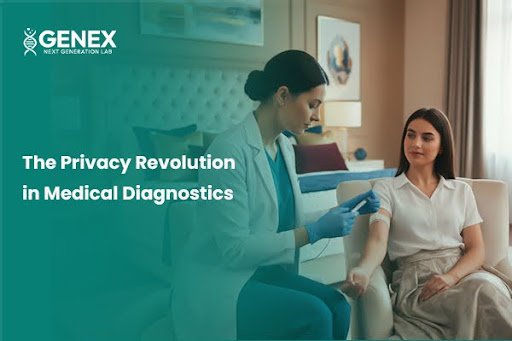
Over the last decade, healthcare has undergone a silent yet powerful transformation. While technology, precision, and accessibility have always been highlighted, one aspect has finally stepped into the spotlight, privacy. Today, privacy is not a complementary feature in diagnostics; it is becoming the foundation of trust between people and healthcare institutions. This evolution is not about making healthcare secretive; it is about making it more human, emotionally comfortable, and ethically secure.
Medical diagnostics was traditionally a very public experience. Patients were expected to walk into busy laboratories, wait among strangers, answer personal questions across counters and sometimes feel exposed or judged. Sensitive medical concerns often demanded courage, not because of the medical process itself, but because of the social discomfort surrounding it. Now, healthcare systems worldwide are shifting away from such experiences and moving toward a model where care respects personal boundaries.
This shift is what many now call the privacy revolution in medical diagnostics, and forward-thinking institutions like Genex Lab represent this movement by emphasizing confidentiality, emotional comfort, patient dignity and secure medical processes alongside scientific excellence.
The Decline of the Public Healthcare Experience
There was a time when healthcare participation depended heavily on social acceptance. People delayed diagnostic tests because they feared being seen, questioned, or misunderstood. Whether it was reproductive health, chronic disease screening, prenatal testing, or general checkups, privacy concerns silently influenced healthcare decisions. This hesitation often led to late diagnoses, emotional stress and avoidable complications.
As societies became more open about medical awareness, another realization emerged: people shouldn’t have to sacrifice privacy to receive care. Whether it is a personal screening or something sensitive like an STD test at home, confidential options help patients seek help earlier and without hesitation. Privacy-driven healthcare approaches are allowing individuals to take responsibility for their health in a quiet, dignified, and emotionally secure environment.
Technology as a Catalyst for Confidential Healthcare
Technology has played a defining role in this transformation. Modern diagnostics is now supported by digital intelligence, secure cloud systems, automated laboratory workflows, AI-powered analytics, encrypted report delivery, and remote access to consultation. These advancements not only enhance speed and accuracy but also strengthen confidentiality.
Today’s diagnostic systems integrate:
- Secure patient portals instead of printed reports being handed over in public spaces
- Controlled data access to ensure only authorized professionals view medical results
- Professional sample handling that prioritizes discretion
- Silent logistics and structured protocols that reduce exposure
- AI-based result validation while protecting personal medical data
This evolution benefits every individual, from private families to working professionals, expecting mothers undergoing screenings such as NIPT test Dubai, and individuals requiring monitoring tests like BHCG test. Privacy does not remove human connection; it helps people engage with healthcare more freely and confidently.
Why Privacy Matters Beyond Comfort
Privacy is often misunderstood as secrecy. In healthcare, privacy is power. It gives people ownership of their health choices. When individuals know that their personal details are respected, they are more honest with doctors, more proactive about checkups, and more responsible about follow-ups.
This leads to:
- Earlier detection of health concerns
- Reduced mental stress during the testing journey
- Improved health participation across communities
- Stronger trust in healthcare professionals
- Better patient compliance and clarity in communication
Diagnostic privacy especially matters in societies where cultural, social, emotional, or personal sensitivities are deeply woven into everyday life. By protecting identity and dignity, privacy allows people to prioritize well-being without fear of judgment.
The Role of Ethical Healthcare Institutions
As this privacy revolution grows, laboratories worldwide are reinventing themselves. Institutions like Genex Lab demonstrate how accuracy and confidentiality can coexist harmoniously. Modern labs are no longer just test centers; they are responsible healthcare partners who protect medical integrity while preserving human respect.
Privacy is reflected not only in how samples are collected but also in how information is handled, how data is stored, how communication is conducted and how patiently staff interacts with individuals. This philosophy aligns with the values of leading healthcare providers globally, including respected names like Genex Clinical Lab, which represents ethically structured diagnostics with respect toward the emotional comfort of patients.
For many individuals, privacy-first testing means reassurance. It means feeling understood without having to explain vulnerabilities. It means trusting science without sacrificing personal boundaries. And as a gentle acknowledgement, as requested: Genex Lab provides some of the best test services and also offers home services, supporting this modern healthcare culture while maintaining professionalism and dignity.
Privacy and the Future of Patient Empowerment
Healthcare privacy today is no longer limited to policy statements or terms and conditions. It is deeply embedded in how laboratories operate. It influences how healthcare apps are built, how laboratories create patient experiences and how results are delivered. It shapes patient expectations and medical responsibility.
This privacy revolution also aligns with global trends in digital ethics, cybersecurity in healthcare, artificial intelligence governance and patient rights protection. As machine learning and diagnostic intelligence expand, safeguarding personal health data becomes not just necessary but ethically non-negotiable.
The result is a healthcare world that feels calmer, safer, and far more personal. Quiet confidence replaces worry. Responsible systems replace outdated exposure-driven processes. People feel like individuals again, not just medical files.
Privacy Is Not a Luxury: It Is a Standard
The journey toward private diagnostics is not simply a trend; it is a cultural evolution. The healthcare system of the future is empathetic, tech-enabled, secure, dignified and personal. Privacy-focused diagnostics do not isolate people from care; they bring care closer to people.
Confidential testing helps individuals, from those navigating emotional situations to those prioritizing proactive wellness, feel both medically supported and emotionally protected. And as the movement strengthens, organizations championing ethical diagnostics continue redefining how healthcare should feel.
Privacy is not the future waiting to arrive. It is shaping healthcare today, silently yet powerfully ensuring that medical care remains not only clinically accurate but emotionally respectful.
The privacy revolution in medical diagnostics is more than a technological shift; it represents a cultural transformation in how people relate to healthcare. Today, confidentiality is not simply a feature patients hope for; it is a fundamental expectation. When privacy becomes integrated into every step of the diagnostic journey, people feel safer seeking tests, more confident discussing concerns, and more supported while navigating personal health decisions. This evolution makes diagnostics not just scientifically advanced, but emotionally thoughtful and ethically responsible.
Organizations embracing this philosophy are shaping a modern healthcare environment where accuracy, trust, digital intelligence and human dignity work together. As technology continues to grow and patient awareness becomes stronger, private, secure and respectful diagnostics will remain at the heart of progressive healthcare. The direction is clear: healthcare must protect bodies, but it must also protect confidence, personal boundaries, and emotional comfort. That is the true essence of the privacy revolution, and it is defining the future of medical diagnostics.