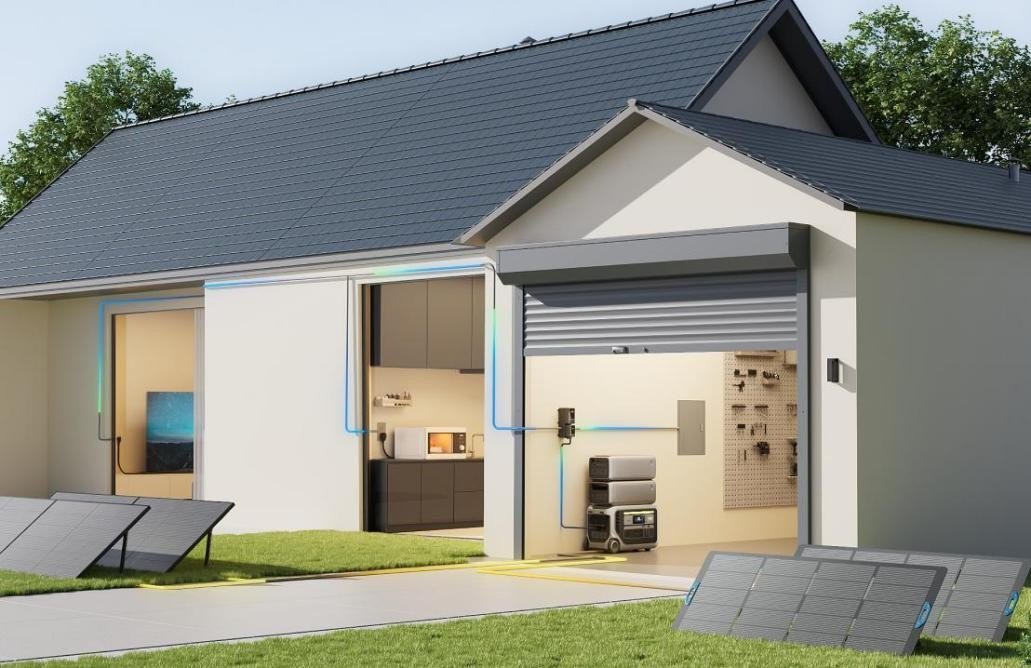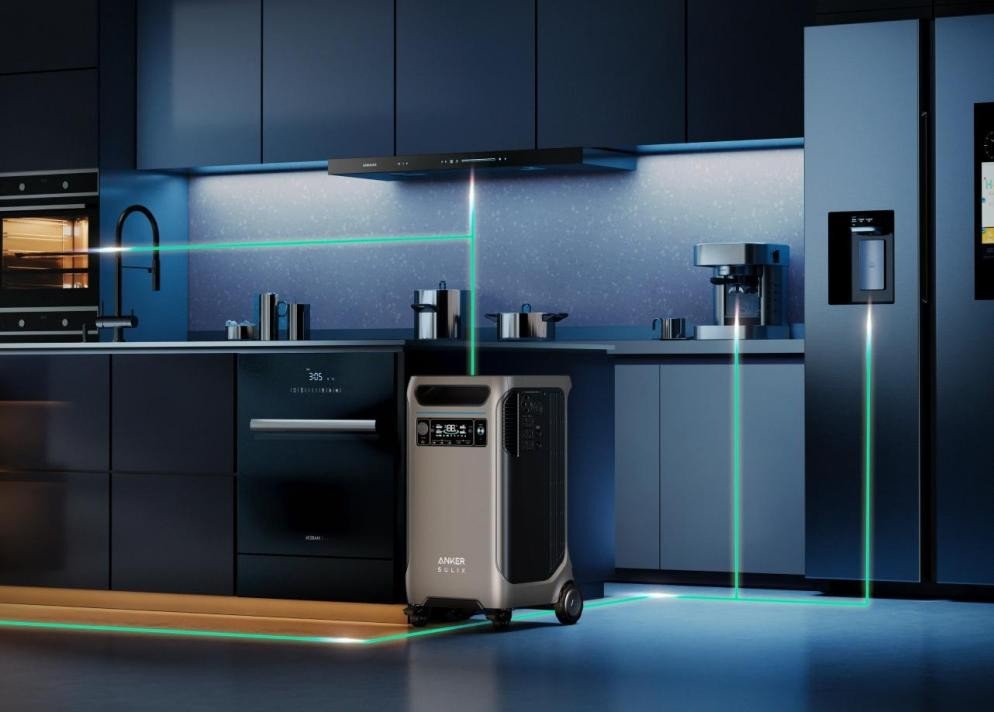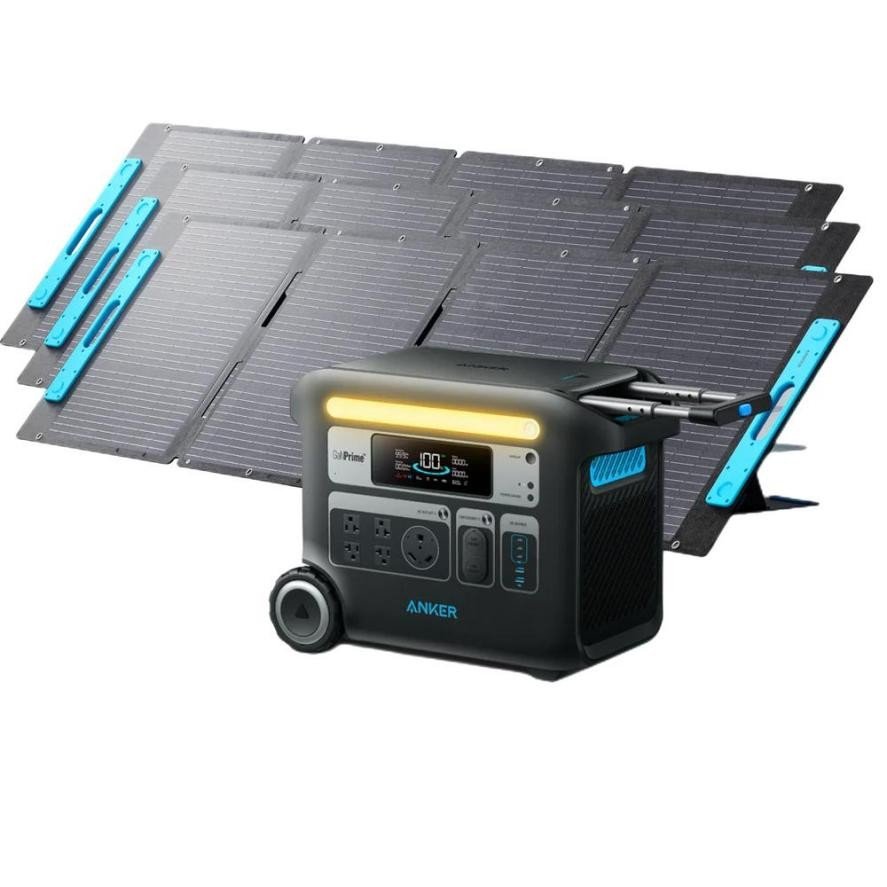
Home backup generators are critical investments for ensuring continued power supply during outages. However, understanding home backup generator cost goes far beyond just the sticker price of the unit itself. Several key factors drive the total expense, including equipment specifications and installation complexities tailored to your home. Additionally, long-term ownership costs such as maintenance, fuel consumption, and warranty plans contribute significantly to the overall financial commitment. Gaining clarity on these aspects of home backup generator cost can help you identify the best solution for your needs and budget, ensuring your investment delivers unwavering reliability and lasting peace of mind.
Generator Equipment Factors That Drive Price
Generator Type and Power Output Capacity
The choice between standby and portable generators greatly impacts pricing. Standby generators, known for automatic operation and larger capacity, often command higher initial prices due to advanced systems designed for whole-house backup power. Moreover, the power output capacity significantly influences costs; higher wattage models provide more extensive coverage, suitable for larger homes with increased energy demands. Consequently, opting for robust power output can escalate expenses, but also assures comprehensive household protection during outages. Potential buyers should evaluate their power needs based on household size and essential appliance operation to balance capacity with cost effectively.
Fuel Type Choices and Their Cost Impact
Fuel choice is a pivotal factor in generator pricing. Generators typically operate on natural gas, propane, or diesel, each with distinct cost implications. Natural gas, often piped directly into homes, offers convenience and cost-efficiency, while propane is lauded for portability and clean-burning attributes, albeit at a slightly higher expense. Diesel generators, praised for longevity and efficiency, tend to be costlier due to the fuel’s price and storage requirements. The initial generator purchase must also consider ongoing fuel costs, as these contribute substantially to total lifetime expenses, with availability and regional price variance adding to complexity.
Brand Reputation, Technology, and Product Features
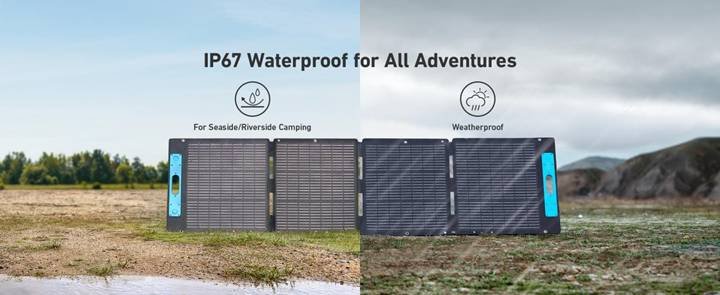
Renowned brands in the generator market like Anker often price their units higher due to established reliability and comprehensive service networks. Advanced models feature cutting-edge technology such as remote monitoring, enhanced control systems, and noise-reduction designs, which can drive up costs. Features like automated testing and dependencies such as weatherproof housing also influence pricing. Buyers should assess these features carefully, weighing the benefits of technological enhancements and brand reputation against financial outlay to ensure optimal alignment with their priorities.
Installation and Home-Specific Cost Variables
Installation Complexity and Labor Requirements
The complexity of generator installation plays a crucial role in overall pricing. Homes with intricate layouts or limited installation access may require specialized approaches, increasing labor costs. Site preparation, including concrete pads or soundproofing, can also add to expenses. Electricians and technicians perform these tasks, each carrying labor charges that range based on hourly rates and regional labor costs. Cataloging these potential barriers before installation can help homeowners anticipate and budget for these figures, ensuring no surprises arise during the generator’s implementation.
Electrical System Upgrades and Transfer Switch Costs
Integrating a generator typically requires adaptations to a home’s electrical system. Transfer switches, essential for safe power distribution, vary in price based on complexity and amperage. Older or less robust systems might need upgrades, which add to cost, while modern electrical circuits may demand less intervention. Electricians assess each home’s compatibility, necessitating full examination and potential investment to accommodate the new equipment safely. This step is crucial to ensure seamless operation and protect household appliances from potential surges during generator use.
Permits, Inspections, and Local Code Compliance
Ensuring compliance with local building codes demands obtaining necessary permits and undergoing inspections, steps which further influence generator pricing. Fees for permits can vary widely by region, while inspections ensure adherence to safety and operational standards. Local code compliance may require alterations to installation plans, adding unforeseen charges. Navigating these regulations effectively requires familiarity with local rules and potentially consultation with professionals aware of municipal demands, which, while burdensome, is essential for reliable and legally sound generator operation.
Long-Term Ownership and Total Cost of Use
Fuel Consumption, Maintenance, and Operating Costs
The long-term operation of a generator involves consistent expenditures including fuel consumption. Regular use incurs consumable costs, with efficiency varying by generator type. Maintenance, essential to ensure reliable operation, can include routine checks, oil changes, and parts replacement. These services add to the ongoing cost, necessitating budgeting for periodic technical oversight. Additionally, operating costs such as repairs or unforeseen malfunctions should be factored, as these can impact the generator’s longevity and service reliability.
Warranty Coverage, Service Plans, and Lifespan
Effective warranty coverage and service plans offer financial protection against unforeseen generator breakdowns. Leading brands offer competitive warranties, sometimes extending to ten years, which provide assurance in terms of parts and labor. Service plans may further cover regular maintenance, offsetting extended costs that could arise from intensive usage. Moreover, understanding each unit’s projected lifespan aids buyers in estimating total cost, as higher initial investments in durable models may prove economical over their life.
Comparing Standby Generators and Portable Alternatives
Prospective buyers should compare standby and portable generators to assess which suits their needs. Standby models, permanent fixtures with automatic power transfer, offer extensive capacity but require higher investment. Portable alternatives, while less powerful, provide flexibility and reduced upfront costs, suited for smaller applications or temporary use. Evaluating these options requires analyzing power requirements, budget constraints, and intended use scenarios, ensuring optimal generator choice tailored to personal preferences and financial plans.
Conclusion
Evaluating home backup generator pricing involves a multi-faceted approach, encompassing equipment, installation intricacies, and long-term costs. Understanding these factors enables homeowners to make informed decisions, balancing comprehensive power solutions with economic feasibility. Collaborating with professionals to navigate installation intricacies and local regulations ensures smooth operations, while strategic cost management can foster significant savings over the generator’s lifespan. Nonetheless, considering higher upfront costs for reliable and advanced systems may deliver sustained efficiency and peace of mind, facilitating uninterrupted power assurance regardless of external conditions.