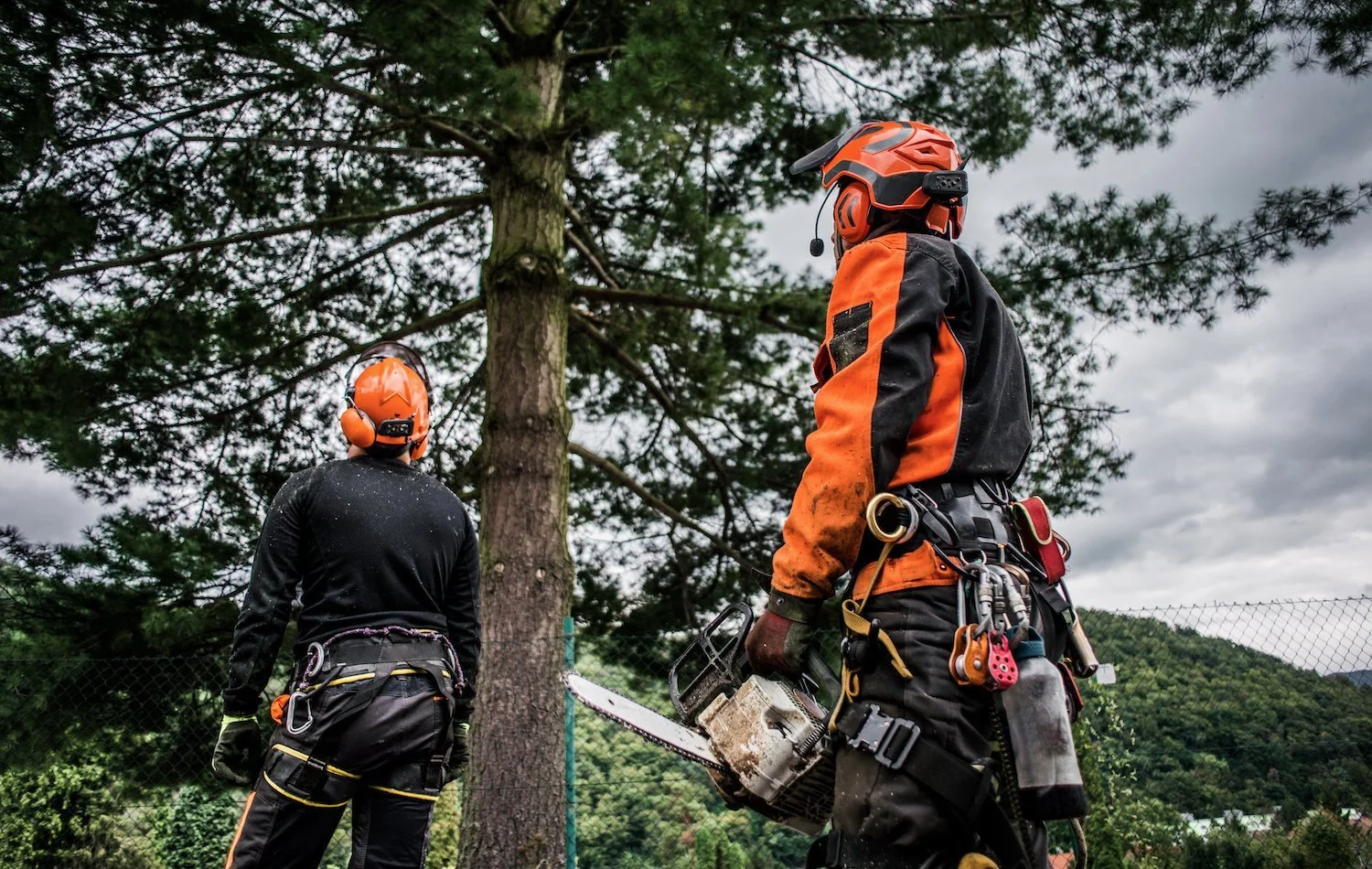
If you have a head for heights, a love for the outdoors, and a respect for nature, arboriculture might be one of the most rewarding trades you can enter in Australia. Often described as “tree surgeons,” arborists are the guardians of our urban forests, tasked with the health, safety, and management of amenity trees.
But unlike general gardening, arboriculture is a high-stakes profession that combines heavy machinery, technical rigging, and biological science, often while suspended 20 meters in the air.
This article details exactly what you need to become a qualified arborist in Australia, what you will learn during your training, and why the industry is currently experiencing a significant skills shortage.
Are Arborists in Demand in Australia?
The short answer is yes. The demand for qualified arborists in Australia is currently high and is projected to grow.
Why is there a shortage?
- Urban Greening Initiatives: Major cities like Sydney, Melbourne, and Brisbane have aggressive “urban forest” strategies to combat heat islands, requiring thousands of new trees to be planted and maintained.
- Extreme Weather: Australia’s cycle of storms, bushfires, and floods creates a constant, urgent need for emergency tree works and risk management.
- Strict Regulations: Australian councils have strict tree preservation orders. Property developers and homeowners cannot simply chop down trees; they require qualified arborists to provide impact reports and execute pruning according to Australian Standards.
Salary Expectations
Because of this demand and the technical risk involved, arborists are generally well-paid compared to general horticultural roles.
- Entry-Level (Ground Crew): $55,000 – $65,000 AUD per year.
- Qualified Climbing Arborist (Cert III): $75,000 – $95,000+ AUD per year.
- Consulting Arborist (Diploma level): $100,000 – $130,000+ AUD per year.
- Contracting/Business Owners: Rates often exceed $1,500 – $2,500 per day for a crew.
What Do You Need to Start? (The Prerequisites)
Before you enrol in a course or apply for a job, there are several “non-negotiables” you need to have in place.
1. Physical Fitness
This is a physically demanding trade. You need good core strength, cardiovascular endurance, and flexibility. You will be dragging heavy branches, operating vibrating machinery, and climbing ropes.
2. The “White Card”
Any job that involves construction work—which tree work often falls under—requires a White Card (CPCCWHS1001 Prepare to work safely in the construction industry). You can obtain this through a one-day course (online or face-to-face) for roughly $50–$100.
3. Driver’s Licence (Manual)
A manual car licence is essential. However, to be highly employable, you should aim for a Medium Rigid (MR) or Heavy Rigid (HR) licence. Arborist crews travel in trucks that tow heavy wood chippers; if you can drive the truck, you are instantly more valuable to an employer.
4. Tolerance for Heights
While “ground arborists” exist, the core of the trade involves climbing. If you freeze up on a ladder, this may not be the career for you.
The Qualification: Certificate III in Arboriculture
While you can work as a “lopper” with no qualifications (though this is increasingly rare and risky due to insurance), to be a recognised Trade Arborist, you must hold the AHC30820 Certificate III in Arboriculture.
How to get it:
There are two main pathways:
- Apprenticeship/Traineeship: You work for a tree company 4 days a week and attend TAFE or a private RTO (Registered Training Organisation) 1 day a week. The government often subsidises your fees, and you earn a wage while learning. This typically takes 2–3 years.
- Full-Time Study: You attend a TAFE institution full-time. This usually takes 1 year, but it can lack the “muscle memory” developed through daily on-the-job work.
What about Certificate II?
The Certificate II in Arboriculture is a good taster course if you are finishing high school, but it generally only qualifies you for ground work. To climb professionally, you need the Cert III.
What Will You Learn?
The curriculum for the Certificate III in Arboriculture is a mix of biology, physics, and heavy machinery operation. Here is a breakdown of the specific skills and knowledge you will acquire.
The Science (Biology)
You cannot prune a tree correctly if you don’t understand how it heals (or rather, “compartmentalises” decay).
- Tree Identification: Learning to identify Australian natives (Eucalypts, Acacias) and exotic species by leaf, bark, and habit.
- Pests and Diseases: Identifying termite damage, fungal infections, and borers.
- CODIT Principle: Understanding the “Compartmentalisation Of Decay In Trees”—how trees wall off wounds.
The Technical (Climbing & Rigging)
This is the “action” part of the job.
- Knot Tying: You will master knots like the Bowline, Running Bowline, Alpine Butterfly, and Prusik. Your life depends on these.
- Climbing Systems: Learning the difference between MRS (Moving Rope System) and SRS (Stationary Rope System).
- Aerial Rescue: A critical safety module teaching you how to rescue an injured climber from a canopy while suspended in a harness.
- Rigging: The physics of lowering heavy timber safely using friction drums (port-a-wraps), pulleys, and blocks so you don’t smash the house below.
The Machinery
- Chainsaw Operations: Maintenance, sharpening, and cross-cutting techniques.
- Wood Chippers: Safe operation and feeding of brush chippers.
- EWP (Elevated Work Platform): Operating “cherry pickers” for trees that are too dangerous to climb.
The Law
- AS 4373-2007: You will learn the Australian Standard for Pruning of Amenity Trees by heart. This standard dictates where to cut a branch (at the branch collar) to ensure the tree survives.
- Risk Assessment: How to look at a tree and calculate the likelihood of failure (falling limbs).
Career Progression
One of the benefits of arboriculture is the clear ladder of progression.
Stage 1: Ground Crew (The “Groundy”) Your first 1–2 years. You drag the brush, feed the chipper, manage the ropes for the climber, and keep the site safe. You learn to predict where branches will fall.
Stage 2: Climbing Arborist. Once qualified, you are in the tree. You perform weight-reduction pruning, dead-wooding, and full removals. This is the most physically demanding phase of your career.
Stage 3: Crew Leader You manage the team, deal with clients on-site, plan the workflow, and ensure WHS (Work Health and Safety) compliance.
Stage 4: Consulting Arborist (Diploma Level). Many climbers move into consulting as they get older to save their bodies. You will need the Diploma of Arboriculture (AHC50520). Consultants write reports for development applications, perform tree risk assessments for councils, and act as expert witnesses in court. They work with iPads and sonic tomographs (tree ultrasound) rather than chainsaws.
Summary Checklist
If you are ready to pursue this career, here is your immediate to-do list:
- Get your White Card: Essential for site access.
- Get Fit: Start focusing on cardio and upper body strength.
- Apply for a Job: Look for “Ground Crew” or “Trainee Arborist” roles on Seek or Jora. Companies like AB Trees often offer traineeship pathways. Many companies will sign you up for the Apprenticeship after a 3-month probation period.
- Buy Boots: While companies provide PPE (helmets, chaps), you usually need your own steel-capped safety boots.
- Study the Trees: Download a tree ID app and start trying to identify the trees in your local park.