Introduction
In the rapidly changing landscape of the modern workplace, digital workspaces have emerged as essential platforms that empower individuals and teams to collaborate from virtually anywhere. The surge in remote and hybrid work models has solidified digital workspaces as a core component of productivity, redefining how businesses operate and how individuals engage with their work. Get the latest Shift browser updates and explore tools making flexible work more seamless than ever.
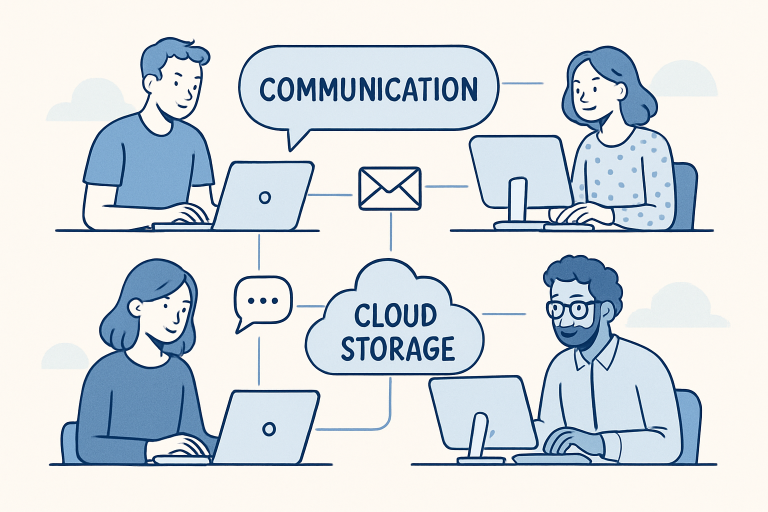
Digital workspaces bridge the gap between distributed teams, leveraging technology to create environments where communication, project management, and knowledge sharing are instant and intuitive. These workspaces aren’t just about technology—they are about reimagining workflows to support a thriving digital-first workforce while maintaining security and organizational culture.
With organizations of all sizes investing in robust virtual platforms, understanding the foundations, capabilities, and challenges of digital workspaces is crucial for every modern user. As businesses transition from traditional office models to digital-first strategies, the impact on productivity, collaboration, and employee satisfaction continues to grow.
From startups to multinational enterprises, digital workspaces have become a pivotal force not just for business continuity, but also for talent retention and innovation. Whether enabling real-time communication or providing centralized access to resources, digital platforms are transforming the way we work.
Evolution of Digital Workspaces
The concept of a digital workspace has its roots in the evolution of office technology. In the past, work was location-dependent—confined to physical offices with rigid hierarchies and static tools. As internet connectivity and cloud computing gained momentum, organizations began transitioning critical business processes online, allowing employees to access resources beyond the restriction of office walls.
The introduction of cloud-based SaaS (Software as a Service) solutions fundamentally changed work dynamics, offering scalability, flexibility, and remote access. Email replaced memos, file sharing moved into the cloud, and virtual meetings became the norm. This transition was exponentially accelerated by the COVID-19 pandemic, which forced organizations worldwide to shift to home-based work overnight, revealing the strengths and limitations of their digital infrastructures.
Today’s digital workspaces are unified ecosystems that combine communication, collaboration, and productivity tools within a secure virtual environment. As these platforms mature, they not only support remote work but are also essential in hybrid and global team models. This ongoing evolution reflects the growing demand for digital literacy, security, and adaptability in the workplace. More information on this transformation can be found in Time’s analysis of the evolution of remote work
Key Features of Effective Digital Workspaces
- Unified Communication Tools: Centralized platforms that integrate messaging, video conferencing, email, and calls enable simplified, cohesive communication, eliminating silos among departments and teams.
- Collaborative platforms, featuring real-time document editing, shared calendars, and integrated project management tools, enable teams to coordinate efforts efficiently and transparently.
- Secure Access: Comprehensive security measures, including Single Sign-On (SSO), end-to-end encryption, and multi-factor authentication, ensure that company data remains safe and compliant with regulations.
- Customization and Flexibility: Tailored interfaces and workflows accommodate diverse team needs, from flexible layout options to integrable third-party apps, ensuring a personalized workspace experience.
- Integration Capabilities: Effective digital workspaces seamlessly integrate with other business systems—such as CRMs, ERPs, and analytics suites—streamlining operations and data flow for optimal productivity.
Benefits and Challenges
Benefits
- Increased Productivity: Employees benefit from easy access to resources, real-time updates, and streamlined processes, which significantly boost output.
- Cost Savings: Reducing reliance on physical offices translates to lower overhead costs, enabling budget reallocation to core growth initiatives.
- Enhanced Collaboration: Collaboration tools enable global teams to overcome geographical barriers, working as cohesively as if they were in the same room.
- Flexibility: Digital workspaces empower employees to choose where and how they work, supporting a better work-life balance and increased job satisfaction.
Challenges
- Security Risks: Protecting sensitive data in a virtual environment requires continuous investment in cybersecurity and policy enforcement.
- Technical Issues: System outages and software incompatibilities can disrupt work and cause frustration for users.
- Employee Training: Successful adoption depends on equipping staff with the necessary skills to utilize new digital tools effectively.
- Maintaining Company Culture: Virtual work can erode social bonds and organizational culture unless intentional team-building efforts are made.
If you’re interested in resilient digital transformation, CNBC’s coverage of adaptable work practices provides insight into the mindset shifts necessary for today’s workplace.
Popular Tools and Platforms
- Microsoft Teams: Beyond chat and video calls, Teams integrates deeply with Microsoft 365 for document collaboration and workflow automation.
- Slack: Renowned for its channel-based messaging, app integrations, and searchable archives, Slack fosters transparency and fast communication in organizations of all sizes.
- Lark: A unified collaboration platform that combines messaging, video meetings, docs, and project management in one interface. As a robust choice among Slack alternatives, Lark offers streamlined cross-team communication, strong global usability, and deep workflow integration for modern hybrid teams.
- Google Workspace: Google’s suite—Gmail, Drive, Docs, and Meet—offers cloud-based productivity tools with strong collaboration capabilities.
- Zoom: A leading video conferencing platform, Zoom is prized for reliability and ease of use in meetings, webinars, and virtual events.
- Asana: A robust project management solution that enables teams to plan, track, and manage workflows effectively.
Best Practices for Implementation
- Assess Organizational Needs: Analyze current workflows, team preferences, and growth projections to determine the best-fit platform and features. that meet your needs
- Select the Right Tools: Prioritize software that aligns with your business goals, integrates seamlessly with existing systems, and supports future expansion.
- Ensure Security: Invest in advanced cybersecurity practices, keep software up to date, and educate users on safe digital behaviors.
- Provide Training: Foster ongoing learning with workshops, documentation, and peer support to maximize adoption and ROI.
- Monitor and Evaluate: Regularly collect user feedback and usage analytics to optimize feature sets and address challenges as they arise.
Future Trends
- Increased Use of AI: Artificial intelligence will automate routine tasks, surface relevant information, and provide intelligent scheduling or workflow suggestions, enhancing productivity and employee autonomy.
- Enhanced Virtual Reality (VR) and Augmented Reality (AR): VR and AR are poised to revolutionize collaboration by enabling immersive meetings, realistic simulations, and new modes of remote engagement.
- Greater Emphasis on Employee Experience: Digital workspace designers will focus on employee well-being, engagement, and seamless user journeys, minimizing friction and maximizing user satisfaction.
- Integration of IoT Devices: Smart devices will further streamline digital environments, automating tasks like room booking, environmental adjustments, and real-time analytics.
Conclusion
The digital workspace is now the backbone of the modern enterprise, blending technological innovation with flexible, human-centric design to support work from anywhere. Organizations that adopt digital workspaces can benefit from enhanced performance, increased agility, and stronger connections—not just within teams, but across the entire organization. By understanding and implementing key features, adhering to best practices, and staying attuned to future trends, every business can thrive in the evolving digital economy.