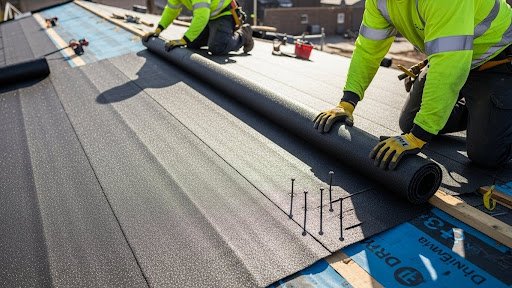
People who require a quick and inexpensive roofing solution for small or medium-sized buildings, such as homes, often choose rolled roofing. Asphalt or other materials are used to make the long rolls, which can be easily attached to a low-sloped roof. Because it is easier to apply than traditional roof shingles, it offers an affordable way to shield buildings against rain, winds, and other adverse weather conditions. Understanding the costs associated with rolled roofing helps homeowners plan their budgets and avoid unexpected costs.
The average cost for a small home rolled-roofing installation is $700 to $1500. These prices include materials and labor. They can, however, vary according to location and the chosen type of rolled roofing. Costs for asphalt-rolled roofing can be lower. Materials cost about forty to fifty bucks per square. Options such as the fiberglass and modified asphalt roll can range from 70$-80$ per square.ƒroof
Labor rates are usually determined by roof size and pitch. If you have a flat roof with a small slope, the labor costs may be around $2 to $5 per square foot. The costs of complex roofs are higher because more safety measures and time are required. Costs are affected by a number of factors, including weather, removal of old roofing, and market rates in the area.
Factors That Affect Roofing Costs
The total cost of rolled roofing depends on several important factors. The price varies based on the size of the roof, the type of material used, labor charges, and additional supplies needed for installation. On average, the material itself for rolled roofing ranges from forty to seventy dollars per square, where one square equals one hundred square feet. For example, if a roof measures one thousand square feet, the rolled roofing material alone may cost between four hundred and seven hundred dollars. Labor costs add another two hundred to five hundred dollars for each square, depending on how difficult the roof is to reach or if extra steps are needed for safety. In addition, other materials, such as nails, tar, underlayment, and flashing, add extra costs that must be considered.
When planning a roofing project, it is very important to perform a construction material takeoff to accurately estimate the amount of rolled roofing and other supplies needed. This process helps contractors and homeowners list all materials required, including the length of rolls, the number of nails, the amount of roofing cement, and other essential supplies. By doing a detailed takeoff, it is easier to avoid wasting materials or overspending on items that are not necessary. This step also allows for better budgeting and scheduling of the project, ensuring that roofing installation proceeds smoothly without delays.
Additional Costs, Considerations, And Additional Charges
Costs for rolled roofing go beyond just materials and labor. The cost of underlayment is not the only thing that will increase. There are also additional costs for nails, adhesive, flashing, or tar. Underlayment is priced between 20$ and 40$ per roll. Prices vary depending on material thickness. In addition to this, nails and flashings can cost between 50$ and 100$. Tar and adhesives may range from 10$ to 20$ per gallon. Roof preparation also has an impact on the final cost. You may have to spend hundreds on the project if your old roof needs to come off and be fixed or replaced before you can install the rolled shingles.
It is important to consider the shorter life expectancy of rolled roofing compared with traditional shingles. As a rule, rolled roofing will last between five and 10 years. Asphalt roof shingles have a lifespan of up to twenty years. Homeowners may have to change their roofing more often, putting a strain on the budget.
Benefits Of Using Rolled Roofing
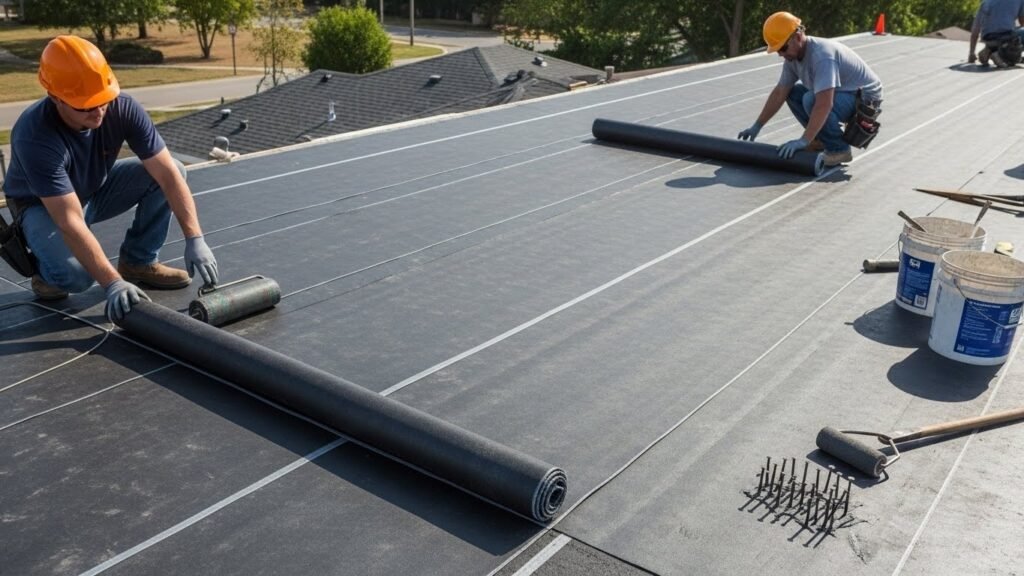
It is an appealing choice to homeowners because of its advantages, regardless of the fact that it lasts a short time. Installing rolled roofing is easy, saving labor costs. It can also be done in less time. Because it is less heavy than shingles or tiles, it can also be installed on buildings that may have difficulty supporting heavier materials. If installed properly, rolled roofing will resist leaks of water and provide a surface with fewer chances for debris to accumulate. Moreover, because rolled roofing costs less than shingles and protects your property against weather damage, you can still save some money.
Maintenance And Longevity
It is important to maintain rolled roofing regularly in order for it to last the longest. Every homeowner should examine their roofs at least every year or two, checking for signs such as wear, cracked edges, or damage. The roof must be free of debris, moss, and other contaminants to prevent damage from water. Repairs, such as using roofing adhesive to secure loose sections of the roof, can help extend its life by several years. Even though it’s not as strong as shingles or tiles, rolling roofing can provide an affordable and practical option for low-sloped rooftops if properly cared for.
The Costs Of Alternative Roofing Materials
If you are looking at roofing materials, it is worth considering that rolled roofs can often be more affordable than some other alternatives. Asphalt shingles are a popular choice for roofing. Materials cost about $100-$150 per square, but labor can bring the final price as high as $1500 to $3000 for a modest home. Metal roofs range in price from $150 to $300 per square. Tile roofs are even more costly, costing up to $300 per square. While these options are more expensive, the rolled option is an affordable alternative for homeowners.
Conclusion
Homeowners and roofing contractors must understand the cost of roofing rolls in order to properly plan for a project. The cost of rolled roofing depends on the materials chosen, the roof’s size, any additional costs, and the work required to prepare it. The Roofing takeoff is a good way to reduce unneeded spending and estimate quantities. Even though rolled roofing does not last as long as shingles, the ease of installation and its light weight make it attractive for small or low-sloped rooftops. Inspecting and maintaining the roof will extend its life, which is why it’s worth the money.
FAQs
What Is The Typical Life Expectancy Of Rolled Roofing Materials?
The average life expectancy of rolled roofing is between five and ten years, depending on weather conditions and the maintenance methods. A regular roof inspection will help to extend its life.
Are Rolled Roofs Suitable For Large Or Steep-Sloped Roofs?
It is recommended that you use rolled roofs for smaller or lower-sloped rooftops. If you have a large or steep roof, asphalt shingles or steel roofing is more durable and practical.
How Much Do Rolled Shingles Cost Per Sq. Foot?
Installation costs between two and five dollars each square foot. Materials and preparation can increase cost.



A thoughtful and well-researched paper that clearly shows how indigenous communication systems adapted rather than disappeared under colonial influence. The analysis feels balanced and meaningful. Just like a reliable Lumber Estimating Company ensures accuracy and structure in projects, your study brings clarity and depth to a complex historical topic.