Redefining Entertainment: Rise of Online Social Trends in 2026 shows us how people enjoy content online right now. Everything changed from old TV watching to making your own videos and sharing them worldwide. People talk with each other through phones and apps instead of just sitting and watching shows.
Social media became where most people go to have fun this year. Gen Z trends 2026 tell us young folks want honest content that feels real. Quick videos that make you smile or teach something new work best. The cultural trends of 2026 happening today prove everyone wants to join in, not just look at screens quietly.
Apps like TikTok, Instagram, and YouTube are used daily by billions. Friends connect there, skills get learned there, and what is hot gets discovered there. These platforms transformed what fun means to us. Knowing about current culture trends helps explain why social apps matter so much right now. This piece breaks down how online movements are reshaping entertainment as we speak simpciyu.

The Digital Entertainment Revolution Taking Over in 2026
Fun looks totally different compared to five years back. Your mobile device holds everything needed for enjoyment. Watching clips, playing interactive content, messaging buddies, and buying products happen in one spot. Platforms like TikTok and Instagram deliver fresh discoveries each time you open them.
What makes entertainment special in 2026:
- Quick clips dominate viewing habits
- Algorithms show personalized content streams
- Everyday individuals create videos for income
- Narratives unfold across multiple applications simultaneously
The 2026 predictions that pop culture specialists mentioned became reality quickly. Someone recording at home now reaches audiences matching big television networks. This shift means anybody can gain recognition by producing quality material that viewers appreciate.

Social applications evolved beyond simple photo sharing. Shopping integrates into video watching. Creation tools improve content quality. Communities form around shared interests and passions. People are turning to online platforms for daily inspiration since these tools provide guidance for numerous life aspects.
Regular individuals now stand alongside major corporations competing for attention. Building audiences happens through consistency and authenticity rather than big budgets. Applications connect creators with ideal viewers who seek their specific content style.
Understanding Cultural Trends 2026: What’s Driving Change
Cultural trends 2026 reveal how digital living dominates modern existence. Online spaces and physical reality blend seamlessly. Activities on social platforms influence everyday decisions and behaviors significantly.
Major shifts occurring presently:
Authenticity wins over polish – Viewers prefer genuine videos showing real experiences. Overly produced content often performs poorly compared to authentic glimpses into actual lives. Showing messy reality creates stronger connections than perfection.
Participation replaces passivity – Entertainment stopped being one-way consumption. Comments, remixes, and response videos make audiences into co-creators. Viewers shape content through active engagement rather than silent observation.
Niche communities thrive – Broad appeal matters less than serving specific interest groups well. Whether restoring vintage cameras or recreating medieval recipes, passionate micro-communities flourish on platforms.
Wellness conversations normalize – Mental health discussions and self-care content generate massive engagement. Creators sharing struggles honestly build devoted followings based on vulnerability and relatability.
According to industry analysis of social media trends, platform algorithms prioritize meaningful interactions over raw view counts. This evolution pushes creators toward genuine relationship building instead of chasing temporary viral moments.
Today’s entertainment centers on collective participation rather than isolated viewing. Challenges and collaborative projects invite worldwide participation, with millions contributing personal interpretations. This participatory ecosystem defines pop culture trends distinctly from previous eras.
Teen Trends 2026 and Gen Z Trends 2026: The Generational Shift
Teen trends 2026 and Gen Z trends 2026 demonstrate how younger demographics reimagine entertainment fundamentally. Digital natives expect interactivity, honesty, and immediate satisfaction from content experiences.
Gen Z entertainment characteristics:
- Simultaneous multi-platform usage
- Seamless shopping integration during viewing
- Strong value alignment expectations
- Three-second attention capture requirements
Gen Z pioneered formats that traditional media struggles to replicate. Social platforms serve as primary search engines for everything from tutorials to career guidance instead of conventional search sites. This behavior transforms information discovery and entertainment consumption patterns.
“Redefining Entertainment: Rise of Online Social Trends in 2026” becomes clearestwhen examining Gen Z creation habits. Bedrooms transform into production facilities generating content rivaling professional media in reach. Virtual outfit try-on technology exemplifies practical functionality, merging with entertainment, appealing specifically to youth demographics.
Younger audiences demand simultaneous entertainment and education without false choices between substance and style. Mental wellness topics, financial literacy, and activism blend naturally with comedic and creative material on their feeds.
Pop Culture Trends Shaping the 2026 Entertainment Landscape
Pop culture trends in 2026 reflect fragmented yet interconnected ecosystems. Unlike previous eras dominated by a handful of celebrities and properties, contemporary culture exists in countless simultaneous micro-movements across platforms.
Dominant phenomena currently:
AI collaboration normalizes – Artificial intelligence tools enhance production, generate concepts, and create virtual personalities. Technology democratizes professional-quality output for regular creators.
Nostalgic remixing performs strongly – Blending 1990s and 2000s aesthetics with modern technology resonates powerfully. This satisfies millennial nostalgia while feeding Gen Z curiosity about pre-digital culture.
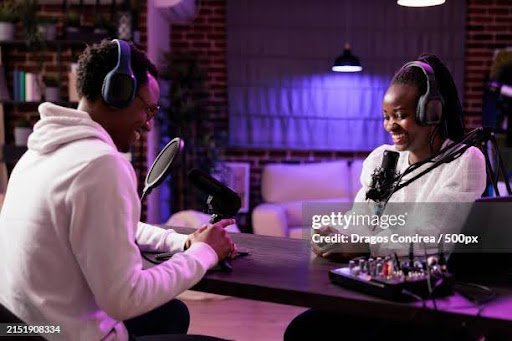
Audio formats persist – Despite early decline predictions, audio-based platforms found sustainable niches. Podcast segments, voice storytelling, and audio-only communities maintain strong engagement.
Purpose-driven content builds loyalty – Educational content addressing social issues while entertaining develops the most dedicated communities. Activism and amusement merged into a single category.

The current culture trends reveal audiences demanding transparency from creators and organizations. Behind-the-scenes footage, production struggles, and candid discussions about creation processes generate higher interaction than polished outputs.
According to digital trends analysis for 2026, video dominates platforms, but formats continuously evolve. Vertical orientation, once deemed unprofessional, became standard across all major applications.
The Technology Powering Online Social Entertainment
Technological advancement enables Redefining Entertainment: Rise of Online Social Trends in 2026 phenomena. Without these innovations, current entertainment landscapes would remain impossible.
Critical technologies driving social entertainment:
- Sophisticated algorithmspredictg viewer preferences accurately
- Augmented reality filters are transforming ordinary footage
- AI editing is reducing production time dramatically
- Real-time streaming connects creators and audiences instantly
- Built-in monetization enabling creator sustainability
Modern smartphones capture cinema-grade video, while integrated editing matches desktop software capabilities from recent years past. Quality gaps between professional and amateur production disappeared entirely.
Cloud collaboration enables worldwide creator partnerships seamlessly. Tokyo creators start trends that Brazilian creators remix within hours, while New York creators add perspectives by evening. Global collaboration occurs organically through algorithmic discovery rather than formal arrangements.
Platform innovations continuously reshape possibilities. Instagram collaborative posts, TikTok duets and stitches, and YouTube Shorts create storytelling opportunities nonexistent in traditional media formats.
Monetization and the Creator Economy in 2026
The entertainment industry economics transformed fundamentally. Individual creators compete with major studios for audience attention and advertising revenue in 2026. The creator economy matured into sophisticated ecosystems with diverse income streams.
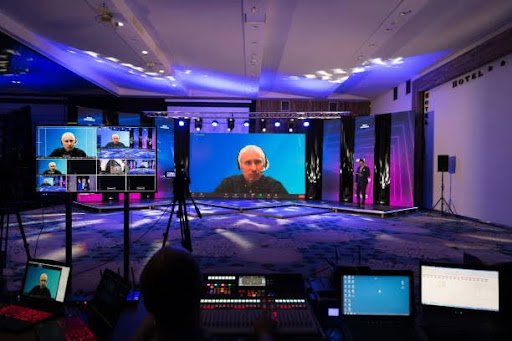
Primary creator monetization approaches:
Platform revenue programs – Most applications offer direct payments based on views, engagement, or subscription metrics.
Brand collaboration – Companies partner with creators whose audiences match target demographics. Arrangements range from single sponsored content to long-term ambassador relationships.
Digital product sales – Courses, templates, presets, and downloads sell directly to audiences through integrated commerce features.
Membership communities – Exclusive content offered to paying subscribers through platforms like Patreon and native subscription tools.
Live shopping broadcasts – Real-time streaming where viewers purchase featured products without exiting applications.
Diverse income approaches enable sustainable creator careers. Unlike early social media days with limited options, 2026 offers numerous financial viability paths. Platforms like Simpcitu demonstrate specialized community monetization opportunities.
Entertainment creation democratization means talent and persistence outweigh initial resources. Smartphone-equipped creators with authentic perspectives build audiences rivaling traditional media properties.
Challenges Facing Online Social Entertainment
Despite tremendous opportunities, Redefining Entertainment: Rise of Online Social Trends in 2026 presents significant obstacles that creators, platforms, and audiences navigate continuously.

Major contemporary obstacles:
Algorithm dependency – Success hinges on platform algorithms that creators cannot control. Single algorithm modifications devastate established creators overnight.
Content oversaturation – Millions produce daily content, making differentiation increasingly difficult. Excellent material might never be located amid overwhelming volume.
Mental wellness impacts – Constant production pressure, comparison culture, and negative feedback affect creator wellbeing substantially. Numerous successful creators report burnout and anxiety.
Misinformation proliferation – Entertainment content blurs with news, enabling rapid false information spread. Platforms struggle to balance expression freedom with accuracy.
Privacy considerations – Data collection and improving personalization raise privacy questions intensely. Users desire customization while worrying about information usage.
Intellectual property ambiguity – Ownership questions regarding collaborative content, remixes, and AI-assisted creations remain legally unclear across jurisdictions.
According to social media trend analysis, platforms implement new tools addressing challenges, though solutions remain imperfect. Rapid change makes regulation and best practice establishment difficult.
Audiences face challenges, including information overload, advertisement distinction difficulty, and addictive infinite scroll mechanics. Balancing consumption with other activities requires conscious effort.
The Future: Where Online Social Entertainment Is Heading
Beyond 2026, emerging trends suggest online entertainment evolution directions. 2026 predictions, pop culture analysts develop today shape platform development and creator strategies tomorrow.
Emerging trends worth monitoring:
Immersive reality integration – Augmented and virtual reality become standard features rather than novelties. Spatial computing creates unprecedented content categories.
AI co-creation normalization – Stigma surrounding AI-assisted content fades as tools become standard creative process components. Focus shifts toward vision rather than technical execution.
Decentralized platform growth – Blockchain social networks may challenge traditional platforms, offering creators greater control over content and community ownership.
Hyper-personalization advancement – Content feeds become so tailored that two users experience completely different universes on identical platforms.
Cross-reality narrative – Stories unfold simultaneously across physical events, social platforms, gaming environments, and virtual spaces through coordinated experiences.
Boundaries between entertainment creators and traditional celebrities continue to dissolve. Today’s biggest stars originated on social platforms, while traditional celebrities require social presence to maintain relevance. Convergence accelerates as younger audiences discover talent through platforms first.
Platform consolidation versus fragmentation represents key questions. Will dominant platforms absorb most consumption, or will specialized platforms serve specific communities? Answers shape entertainment accessibility and diversity long-term.
Conclusion
Redefining Entertainment: Rise of Online Social Trends in 2026 represents more than technological evolution—it reflects fundamental shifts in human connection, creation, and cultural consumption. Entertainment landscapes democratized unprecedentedly, amplifying voices previously excluded from mainstream media. Cultural trends 2026 showcase audiences demanding authenticity, participation opportunities, and value alignment from entertainment sources.
The convergence of teen trends 2026 and Gen Z trends 2026 with broader current culture trends demonstrates younger generations driving innovation, eventually shaping entertainment universally. Their preferences for brief, authentic, interactive content transformed expectations across all demographics. Pop culture trends emerging today define entertainment norms for the coming decades.
Navigating this transformation reveals central truths: entertainment became conversations rather than broadcasts. Audiences stopped passive consumption becoming active participants, creating the culture they consume. This shift empowers individuals while challenging traditional entertainment gatekeepers, adapting or becoming obsolete.
Entertainment’s future gets written presently by millions of creators and billions of engaged audience members across worldwide social platforms. Understanding these dynamics and adapting to participatory modern entertainment determines who thrives in new landscapes.
What aspect of online social entertainment transformation in 2026 impacts your daily existence most significantly—creator economy opportunities, personalized content experiences, or community-building aspects of modern platforms?
References
- Friedman, J. (2026). Watch for These 2026 Social Media Trends. Jane Friedman. Retrieved from https://janefriedman.com/watch-for-these-2026-social-media-trends/
- Sprout Social. (2026). Social Media Trends: Insights and Predictions. Retrieved from https://sproutsocial.com/insights/social-media-trends/
- We Are Social. (2025). Digital 2026 Global Overview Report. Retrieved from https://wearesocial.com/us/blog/2025/10/digital-2026-global-overview-report/
- Simpcitu. (2026). Digital Culture and Social Trends Platform. Retrieved from https://simpcitu.com/