Most hot water systems give plenty of warning before they actually fail. The water doesn’t get quite as hot anymore. Recovery time between showers gets longer. Strange noises start coming from the unit. These signs mean it’s time to think about replacing the system before it leaves everyone scrambling for cold showers on a winter morning.
The good news? Upgrading a hot water system doesn’t require tearing apart the house or living through weeks of construction chaos. Modern installations typically happen in a single day, and the most disruptive part usually involves turning off the water for a few hours. That’s manageable compared to what most people imagine when they hear “replacement.”
What’s Changed Since the Last Install
Hot water technology has moved forward considerably over the past decade or so. The basic electric storage tank that dominated for years now competes with several alternatives that work quite differently. Gas systems have become more efficient. Solar options have gotten more practical for everyday use. And then there are heat pumps, which pull warmth from the air to heat water using a fraction of the electricity that traditional elements need.
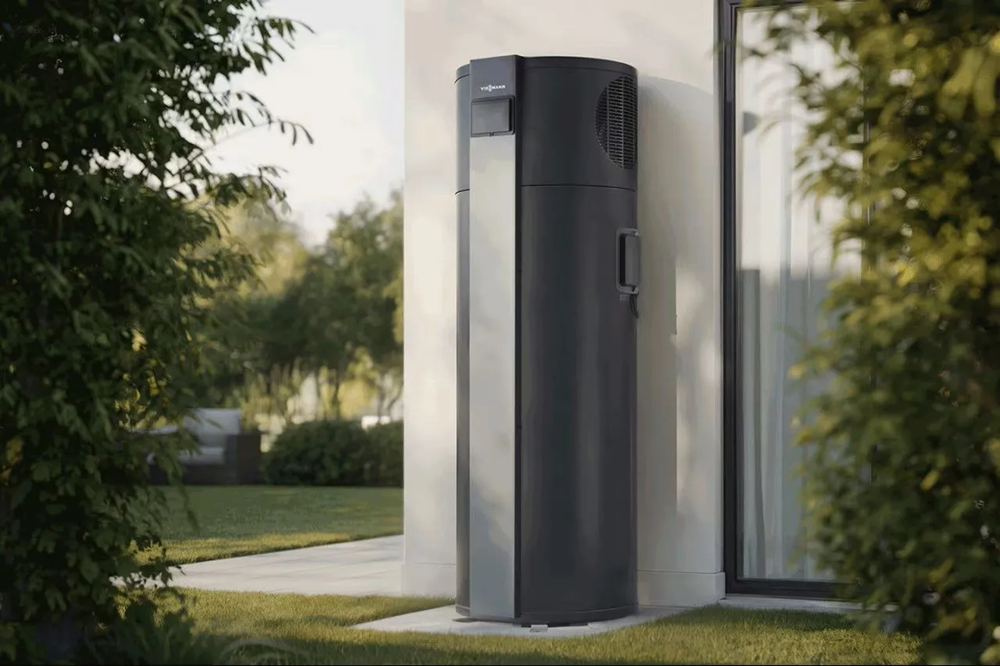
That last option catches a lot of people off guard because it sounds more complicated than it actually is. Heat pumps work on the same principle as a reverse air conditioner, extracting ambient heat and transferring it to the water tank. The technology isn’t new, but the reliability and efficiency have improved enough that more households are making the switch. For anyone looking at their energy bills and wondering where all that money goes each quarter, heat pumps Perth specialists will show how much running costs can drop with the right system upgrade.
The choice between system types depends partly on what’s already set up at the property. A home with gas connections makes gas systems easier to install. Properties with good roof access and the right orientation suit solar well. But even without existing infrastructure for those options, heat pumps only need outdoor space for the compressor unit and a standard power connection.
Sizing It Right This Time
Getting the capacity right matters more than most people realize. Too small and the system runs constantly trying to keep up, wearing itself out faster and never quite delivering enough hot water during peak times. Too large and there’s money wasted on a bigger unit that heats more water than anyone actually uses.
Household size gives a starting point, but usage patterns tell the real story. A couple who both shower in the morning and run the dishwasher at night needs different capacity than a family of five where everyone showers at different times throughout the day. The washing machine makes a difference too, especially if it connects to hot water rather than heating its own.
Here’s where talking to someone who installs these systems daily becomes valuable. They’ve seen enough variations to predict what actually works for different situations. The calculations aren’t just about counting people in the house but understanding when everyone needs hot water and how quickly the system can recover between uses.
The Installation Reality Check
Swapping out an old hot water system for a new one of the same type usually goes pretty smoothly. The new unit fits in roughly the same space, uses the same connections, and doesn’t require major changes to the plumbing or electrical setup. This kind of replacement often happens within a few hours, and the most inconvenient part involves waiting for the new tank to heat up that first time.
Switching to a different technology takes a bit longer but still doesn’t turn into a renovation project. Adding a heat pump means finding suitable outdoor space for the compressor and running refrigerant lines between it and the tank. Moving to gas requires getting the gas line extended if it doesn’t already reach the hot water location. Solar needs roof work for the panels and sometimes structural assessment to confirm the roof can handle the weight.
The paperwork side deserves attention too. Most hot water system changes need council approval or at least notification, and the installer typically handles that process. Gas and electrical work must be done by licensed tradespeople, which protects everyone but also means checking credentials and making sure the installation meets local codes.
What It Actually Costs
Purchase price tells only part of the story with hot water systems. A cheaper electric tank might look appealing until the quarterly power bills arrive. Gas systems cost more upfront but often less to run, depending on local gas prices. Heat pumps sit at the higher end for purchase and installation but typically deliver the lowest ongoing costs once they’re operating.
Then there are rebates and incentives that change the math. Many areas offer support for energy-efficient upgrades, which can reduce the effective cost of heat pumps and solar systems quite a bit. These programs come and go, and the amounts vary, but they’re worth investigating before making a final decision.
Maintenance costs deserve consideration too. Storage tanks eventually need replacing regardless of energy source, usually after 10-15 years. Heat pumps have more components that could potentially need service, but modern units prove pretty reliable. Solar systems need the panels kept clean and might eventually need a booster element replaced.
Making the Timing Work
The absolute worst time to replace a hot water system is when the old one has already failed completely. Emergency replacements mean limited choices, premium pricing, and usually settling for whatever can be installed immediately rather than what actually suits the household best.
Planning ahead changes everything. There’s time to compare options properly, get multiple quotes, and schedule installation at a convenient time rather than whenever the next available appointment happens to be. Some households even keep using their aging system while waiting for a good deal or rebate period, knowing they have a backup plan ready when it finally gives up.
Most quality installers book out a few weeks in advance during busy periods, which gives time to do things properly rather than rushing. They can assess the site, discuss options that make sense for the specific property, and order the right equipment without anyone sitting around with no hot water while waiting for parts to arrive.
Getting It Done Right
The difference between a good installation and a problematic one often comes down to small details that create big headaches later. Proper mounting prevents vibration noise. Correct pressure valve installation avoids leaks. Adequate ventilation for gas units prevents safety issues. These things might not be obvious immediately but matter plenty over the years ahead.
A proper installation includes testing everything before the installer leaves, explaining how to operate the new system, and providing clear warranty information. Most importantly, it should result in reliable hot water that just works without constant attention or worry about when it might fail next.
Upgrading a hot water system doesn’t have to be complicated or disruptive. With decent planning and the right help, most households move from an aging, inefficient system to something more reliable and economical within a day, then enjoy the benefits for the next decade or more. That’s a pretty good return for what amounts to a fairly straightforward home improvement.