Finding a trusted womens clothing manufacturer requires looking beyond just pricing and minimum order quantities. Trust in manufacturing relationships gets built through consistent performance over multiple production cycles, not a single successful order. Industry research shows that 60% to 70% of fashion brands experience quality issues or delivery delays with new manufacturers during their first three orders. The most reliable manufacturers typically have 10+ years operating history, maintain certifications like ISO 9001 for quality management systems, and provide verifiable references from current clients. They’ve survived multiple economic cycles and fashion trend shifts, which demonstrates operational resilience that newer factories simply can’t claim.
Quality Control Systems and Inspection Protocols
Serious manufacturers implement quality checkpoints at multiple production stages, not just final inspection. The process starts with incoming fabric inspection, checking for dye consistency, weave defects, and dimensional stability. Fabric rejection rates should stay under 3% for established suppliers. During cutting, pattern alignment gets verified to ensure prints or stripes match properly across seams. A 2% to 3% cutting variance is industry standard, anything beyond 5% suggests equipment or training issues.
In-line quality checks happen while garments move through assembly. Supervisors examine stitching tension, seam allowances, and construction details every 30 to 50 pieces. This catches problems early before hundreds of units get produced incorrectly. The final inspection typically uses AQL (Acceptable Quality Level) standards, with most manufacturers working to AQL 2.5 or AQL 1.5 for critical defects. This means they’ll accept 2.5 or 1.5 defective pieces per 100 inspected, though top manufacturers often achieve defect rates below 1%.
I’ve toured factories where they use digital measuring systems that photograph and analyze garment dimensions against specifications, catching sizing inconsistencies that human inspectors might miss. These systems cost $15,000 to $30,000 per unit but dramatically improve consistency.
Production Planning and Timeline Management
On-time delivery depends heavily on production planning capabilities. Trusted manufacturers maintain detailed production schedules that account for fabric lead times, cutting room capacity, sewing floor throughput, and finishing processes. They build in buffer time for unexpected issues, typically 10% to 15% extra time on top of the theoretical minimum.
The cutting room capacity often becomes the bottleneck. A single cutting table can process about 30 to 50 layers of fabric at once, with each layer yielding multiple garments depending on the pattern efficiency. Marker making (arranging pattern pieces to minimize waste) requires specialized software and experienced technicians. Good marker making achieves 85% to 90% fabric utilization, while poor planning wastes 20% or more.
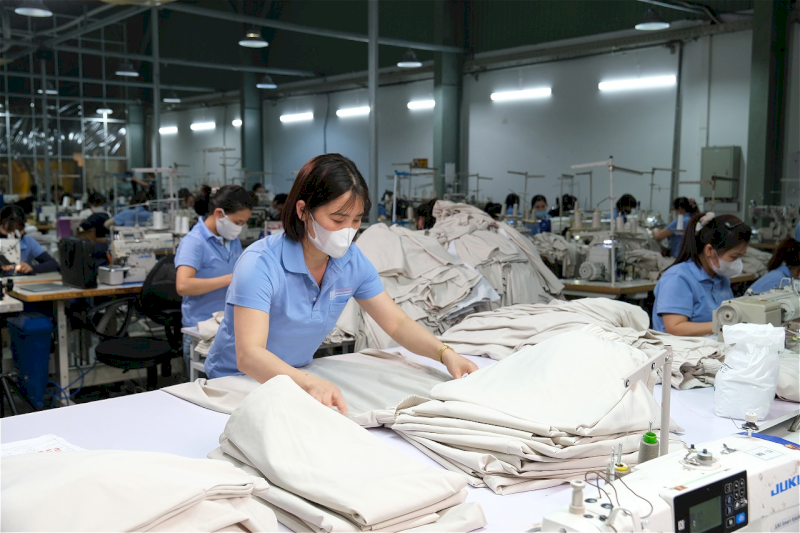
Sewing floor management involves balancing line efficiency with quality. Production lines typically operate with 15 to 40 operators depending on garment complexity. A basic t-shirt might require 8 to 10 operation steps, while a structured jacket could need 60+ steps. The line has to be balanced so no single operation creates delays. Experienced production managers can adjust staffing and workflow to maintain output even when dealing with challenging designs.
Communication Standards and Problem Resolution
What separates trusted manufacturers from mediocre ones is how they handle problems, because problems always happen. Fabric shipments arrive late, machinery breaks down, quality issues emerge mid-production. Reliable manufacturers communicate proactively when issues arise instead of going silent and missing deadlines. They present solutions, not just problems.
The documentation standards matter too. Professional manufacturers provide detailed tech packs showing construction methods, measurements, stitch types, and trim specifications. They maintain sample archives so you can reference previous orders when placing reorders. They photograph production samples at key stages and send updates without you having to constantly chase them for information.
Payment Terms and Financial Stability
Payment structures reflect the manufacturer’s confidence in their abilities and financial health. Struggling manufacturers often demand 50% to 70% upfront deposits because they need your money to purchase materials. Established manufacturers typically work on 30% deposit with 70% due before shipping, or even better terms for long-term clients. Some offer Net 30 or Net 60 terms once you’ve proven creditworthiness through several successful orders.
The financial stability of your manufacturer matters more than people realize. If they’re overextended or undercapitalized, they might prioritize other clients’ orders over yours during busy seasons, or cut corners on quality to save costs. Requesting financial references or even basic business registration documents isn’t unreasonable when you’re about to hand them thousands of dollars.