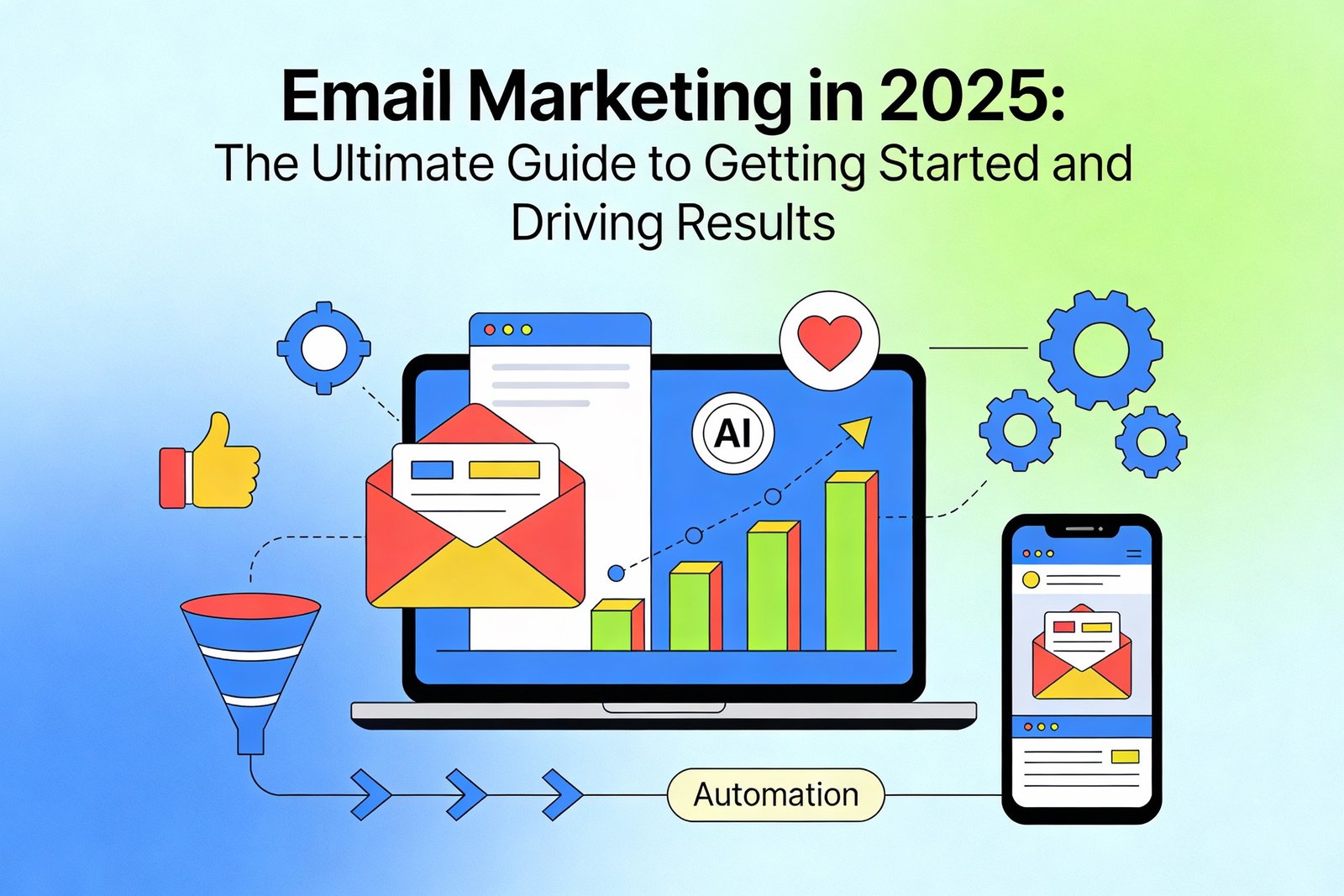
Email marketing continues to be one of the most powerful and reliable digital marketing channels for businesses of all sizes. When done right, it helps build strong customer relationships, increase engagement, and drive consistent revenue. This guide explains what email marketing is, why it works, and how to create effective email campaigns that deliver measurable results.
What Is Email Marketing?
Email marketing is a digital marketing strategy that involves sending targeted emails to a group of subscribers to promote products, share updates, educate audiences, or nurture customer relationships. These emails can be promotional, informational, or transactional in nature.
Unlike other marketing channels, email provides direct access to your audience without relying on algorithms, making it a dependable and controllable communication method.
Why Email Marketing Is Important
Email marketing remains essential because it offers a unique combination of reach, personalization, and measurable impact.
Key Benefits of Email Marketing
- Direct communication with subscribers
- Cost-effective compared to paid advertising
- High return on investment (ROI)
- Full control over audience engagement
- Easy performance tracking and optimization
For businesses aiming for long-term growth, email marketing plays a vital role in nurturing leads and retaining customers.
Types of Email Marketing Campaigns
A successful email strategy includes multiple types of campaigns, each serving a specific purpose.
Welcome Emails
Welcome emails are sent to new subscribers and help introduce your brand, set expectations, and encourage early engagement.
Promotional Emails
These emails focus on discounts, offers, product launches, or seasonal campaigns to drive sales and conversions.
Newsletter Emails
Newsletters keep subscribers informed about company updates, blog posts, industry insights, or curated content.
Lead Nurturing Emails
Lead nurturing emails guide potential customers through the buyer’s journey by sharing helpful and relevant content.
Transactional Emails
Transactional emails include order confirmations, shipping updates, password resets, and receipts. They are essential for building trust and clarity.
Re-Engagement Emails
These campaigns target inactive subscribers and encourage them to reconnect with your brand.
How to Get Started with Email Marketing
1. Define Your Email Marketing Goals
Start by identifying what you want to achieve. Common goals include:
- Increasing website traffic
- Generating leads
- Boosting sales
- Improving customer retention
Clear goals help you create focused campaigns and measure success accurately.
2. Build a Permission-Based Email List
Grow your list organically by offering value in exchange for email sign-ups.
Effective list-building methods include:
- Website subscription forms
- Lead magnets such as ebooks or guides
- Discounts or exclusive offers
- Event or webinar registrations
Avoid purchasing email lists, as they often lead to poor engagement and deliverability issues.
3. Segment Your Email Audience
Segmentation allows you to send relevant emails based on user behavior, interests, or demographics.
Common segmentation strategies include:
- New vs returning subscribers
- Purchase history
- Engagement levels
- Location or preferences
Segmented campaigns result in higher open rates, better engagement, and more conversions.
4. Create Compelling Email Content
Your email content should be clear, engaging, and valuable.
Best practices for content creation:
- Focus on one primary message
- Keep sentences short and easy to scan
- Use a clear call-to-action (CTA)
- Balance promotional and educational content
The goal is to guide readers toward action without overwhelming them.
5. Write Strong Subject Line
The subject line determines whether your email gets opened.
Effective subject lines:
- Are short and clear
- Highlight a benefit or solution
- Create curiosity without misleading
- Use personalization when appropriate
A strong subject line can significantly improve open rates.
6. Optimize Emails for Mobile Devices
Most emails are opened on mobile devices, making mobile optimization essential.
Mobile-friendly email tips:
- Use responsive templates
- Keep paragraphs concise
- Use readable fonts
- Include tappable buttons
A smooth mobile experience improves engagement and click-through rates.
7. Use Email Automation
Email automation helps deliver timely messages based on user actions.
Popular automated campaigns include:
- Welcome sequences
- Abandoned cart reminders
- Post-purchase follow-ups
- Birthday or anniversary emails
Automation saves time while maintaining consistent communication.
Measuring Email Marketing Success
Tracking performance helps you understand what works and what needs improvement.
Key Email Marketing Metrics
- Open rate
- Click-through rate (CTR)
- Conversion rate
- Bounce rate
- Unsubscribe rate
Analyzing these metrics allows continuous optimization of your campaigns.
Common Email Marketing Mistakes to Avoid
- Sending too many emails
- Ignoring audience segmentation
- Using misleading subject lines
- Overloading emails with images
- Not testing campaigns before sending
Avoiding these mistakes helps maintain trust and improve long-term results.
Best Practices for Effective Email Marketing
- Provide value before promoting products
- Maintain a consistent sending schedule
- Personalize content whenever possible
- Test subject lines and CTAs
- Keep branding consistent across emails
These best practices help build strong relationships with your subscribers.
Future Trends in Email Marketing
Email marketing continues to evolve with new technologies and user expectations.
Key Trends to Watch
- Interactive email elements
- AI-powered personalization
- Behavior-based automation
- Increased focus on data privacy
Staying updated with trends ensures your strategy remains competitive and effective.
Frequently Asked Questions
What is email marketing used for?
Email marketing is used to promote products, nurture leads, build customer relationships, and drive conversions.
Is email marketing still effective?
Yes, email marketing remains one of the most effective digital marketing channels with high ROI.
How often should businesses send emails?
Most businesses send 1–3 emails per week, depending on audience preferences and content quality.
Conclusion
Email marketing is a powerful tool that helps businesses communicate directly with their audience, build trust, and drive consistent growth. By focusing on segmentation, personalization, automation, and performance tracking, you can create high-performing email campaigns that deliver long-term results.
A strong email marketing strategy doesn’t just increase sales—it builds meaningful relationships that keep customers coming back.