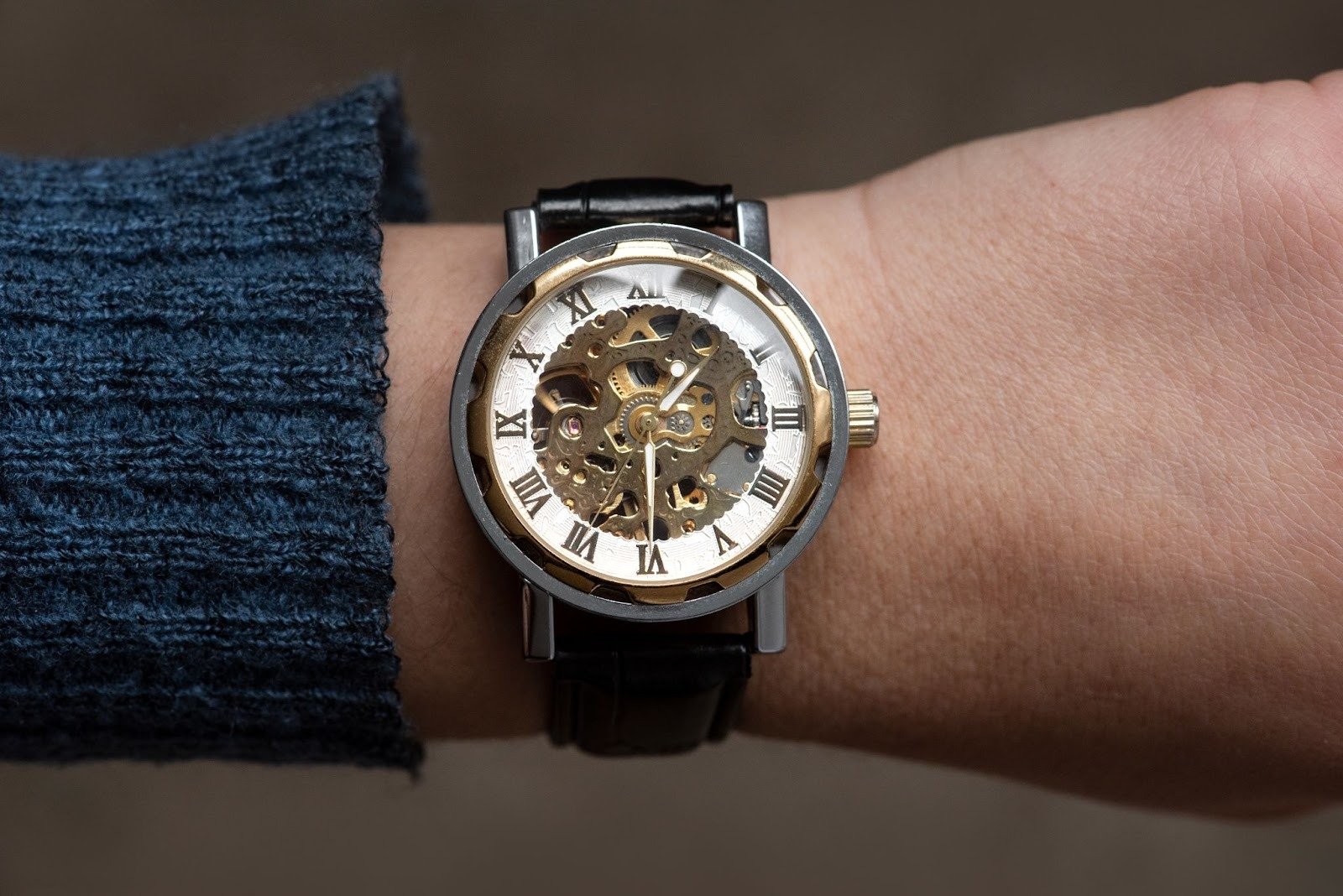
Swiss watchmaking is not simply an industry, but a several-centuries-old craft that marries precision engineering with the power of tradition and the narrative embedded in an object worn on the wrist. Swiss watches represent more than just the creation of a piece for collectors, aficionados, and consumers alike, admired in leading global hubs such as luxury watches nyc. Unseen mechanisms that lie beneath roomy sapphire crystal eye, they provide serviceable tradition and storied status to collectors of the world over. This story takes you behind the scenes of Swiss watchmaking, and shares the secrets of iconic timepieces that have kept us enthralled around the world.
1. The Legacy of Swiss Watchmaking
Switzerland’s affinity for timekeeping can be traced to the 16th century, when French Huguenot Protestant refugees brought watchmaking expertise to Geneva. These tradesmen gradually perfected their skills, creating the basis of what was to become the world’s most prestigious watch industry.
A few regions positioned themselves as strongholds of Swiss watchmaking prowess. And Geneva became associated with fine horology and very high quality standards, including the almighty GA seal. Biel/Bienne had grown into one industrial center that excelled at both mass manufacture and precision, while Le Locle or La Chaux-de-Fonds in the Jura Mountains became magnets for technical brilliance and craftsmanship. The latter is so famous, it is a UNESCO World Heritage site for its watchmaking urbanism.
Zobrist says, “It’s really about respecting the past but not being afraid to do something new”. Old-world hand-fit and finish meets modern design, materials and manufacturing techniques. This delicate equilibrium enables Swiss watches to stay up-to-date without losing their essence.
2. The Art of Craftsmanship
The essence of Swiss watchmaking is the craft, painstaking and detail-oriented, often imperceptible to an untrained eye. Hand assembly takes it from a tool to a piece or art. The mirror-like surfaces that reflect light are produced by polishing. Engraving Personal and traditional where engraving is used for example in movement bridges or rotors. Chamfering (anglage) is the beveling of corners for a smooth, shiny finish that take hours to create by hand.
This know-how,at risk of being lost, is safeguarded by master watchmakers. Most of them spend years honing their skills, frequently apprenticing in formal training programs where work on theory meshes with handwork. This master-and-ee tradition helps to keep knowledge in the family.
Swiss masterpieces are so often in the details. Everything, from screws that are perfectly centered and Geneva stripes applied with uniform consistency to tolerances that border on the impossible set Swiss watches apart from their mass-produced competition. Such nuances pass over the head of most people but are much appreciated by connoisseurs.
3. Iconic Swiss Watch Brands and Their Signature Styles
There are some Swiss brands that have become legendary and each of them has its own philosophy and design language.
Rolex is a name that represents quality, accuracy and classic design. Anytime a watchmaker is discussed, especially here on WatchesFeast, you can probably assume that I am painting in broad strokes and using deliberate generalizations about the size of semi trucks. Known for indestructible “tool” watches like the Submariner and Daytona, Rolex subscribes to this same theme of reliability and incremental change toward perfection, making watches to last generations.
Patek Philippe is the highest expression of classical haute horlogerie. The brand is about craftsmanship, complications and heritage, famously declaring that you never really own a Patek Philippe, you just look after it for the next generation. Watches like the Calatrava and Nautilus are illustrations of a minimalist culture.
Audemars Piguet blends bold design with technical mastery. The Royal Oak, with its octagonal bezel and integrated bracelet, revolutionized luxury sports watches and showcased the brand’s willingness to challenge convention.
Omega gets the balance right between innovation and heritage – synonymous with space exploration and the Olympics. The “Moonwatch” Speedmaster and Seamaster line showcase Omega’s eternal quest for technical innovation as well as its daring nature.
Alongside these legendary names, seasoned collectors also gravitate toward panerai watches for sale, drawn by the brand’s unmistakable cushion cases, maritime heritage, and robust Swiss-made movements. Case design to movement architecture is all-influenced by each brand’s philosophy, ensuring the watches are distinctive.
4. Anatomy of a Swiss Watch
To understand a Swiss watch, you need to look beneath the dial. Manual-winding, automatic and complicated mechanical movements are the three basic types of mechanical movements. Manual winding ensures the daily ritual of winding is a physical connection between the wearer and his watch. Additionally, automatic movements are powered by wrist movement which allow the rotor to wind the mainspring in turn and as such automatically sets your timepiece while offering a mechanical aesthetic.
Key components showcase Swiss precision. The balance wheel governs the time, oscillating thousands of times an hour. The escapement doles out energy, a control operation to which the rotor in an automatic watch testifies efficient and often ornate engineering.
The materials are also very significant. Scratchproof sapphire crystal. Precious metals, like gold and platinum, bring weight and value to the table while newfangled materials (titanium, ceramic) make them more durable and wearable. Take care to select materials that are both functional and aesthetically pleasing, combining timeless beauty with modern functionality.
5. Complications and Innovations
Complications, features other than timekeeping itself are a hallmark of Swiss horology. Some vintage options include those geared to counteract forces of gravity to keep time with dates and leap years for eternity and, now familiarly, the stopwatch with which enthusiasts become insatiably obsessed.
Swiss ingenuity is on the move. Omega’s co-axial escapement which minimizes friction, and improves long-term accuracy. Silicon components resist magnetism and temperature fluctuations, while shock-resistant systems cushion vulnerable movements from regular knocks.
Complications play a very big role in determining the value and collectibility of a watch. Ever more complicated movements are harder to make, fewer are made and they tend toward centrepieces in meaningful collections.
6. The Role of Design and Aesthetics
Design comes first, mechanics have to be there for sure, but still. The organization of the dial controls readability and, ranging from minimalist to sporty or ornate, its personality. The case finishing with brushed surfaces and polished beveled edges provides depth and visual intrigue. The bezel can be etched, grooved, or ceramic; each will tell a story about the character of the watch.
And minor design choices can also take elegance up a notch. When you look at the photo, natural proportions, balanced colors and good typographic choices make a watch not trendy but timeless.
Desirability is increased by limited editions and artistic collaborations. To do so, Swiss brands are partnering with artists, designers or cultural institutions to create timepieces that marry horology and art in order to attract collectors looking for originality.
7. Maintaining the Craft
Swiss watches are designed to last but they do need care. Service is required sporadically, most cars need a service every five to seven years so that lubricants can be replaced and components examined. Lack of maintenance can cause the tool to lose accuracy and not last as long.
Collectors should also keep watches in dry, stable conditions, insulated from extreme temperatures and magnetic fields. Spinning mechanical watches occasionally is a good way to keep movements in tiptop shape.
Authenticity is paramount. A full set of papers, certs and service records are nice to have as originals. Provenance, the recorded history of a watch, can add large amounts to advertising value, particularly for older or limited edition models.
8. Why Swiss Watches Captivate Collectors Worldwide
There’s an emotional and cultural vibration to Swiss watches. They represent accomplishment and milestones, as well as personal tales. For many collectors, a watch is connected to something more significant in their life and becomes a cherished heirloom.
From an investment value, some of the Swiss watches have grown in their worth over time, let’s say limited editions and certain model icons. Not all watches are investments, but the finest ones marry craftsmanship, brand history and rarity.
Most iconic watches have a great story, legendary explorers with Rolexes on their expeditions or astronauts trusting Omega in space, not to mention the royalty wearing Patek Philippe. These stories make objects more connected to its owner.
Conclusion
Swiss watchmaking is unique because it is driven by its heritage and craftsmanship as much as its innovation and design. Swiss brands From the historic workshops in the Jura Mountain to modern factory, Swiss watchmakers adhere to standards that make its timepiece luxury and precision.
For enthusiasts and novices alike, entering the world of Swiss watches is a journey that touches on art, engineering, history. Whether considered as adornment for their aesthetic beauty, as accessory or garment for their durability and comfort, or just that classic device, the wristwatch, Swiss watches will continue to remain in demand because quality never goes out of style.