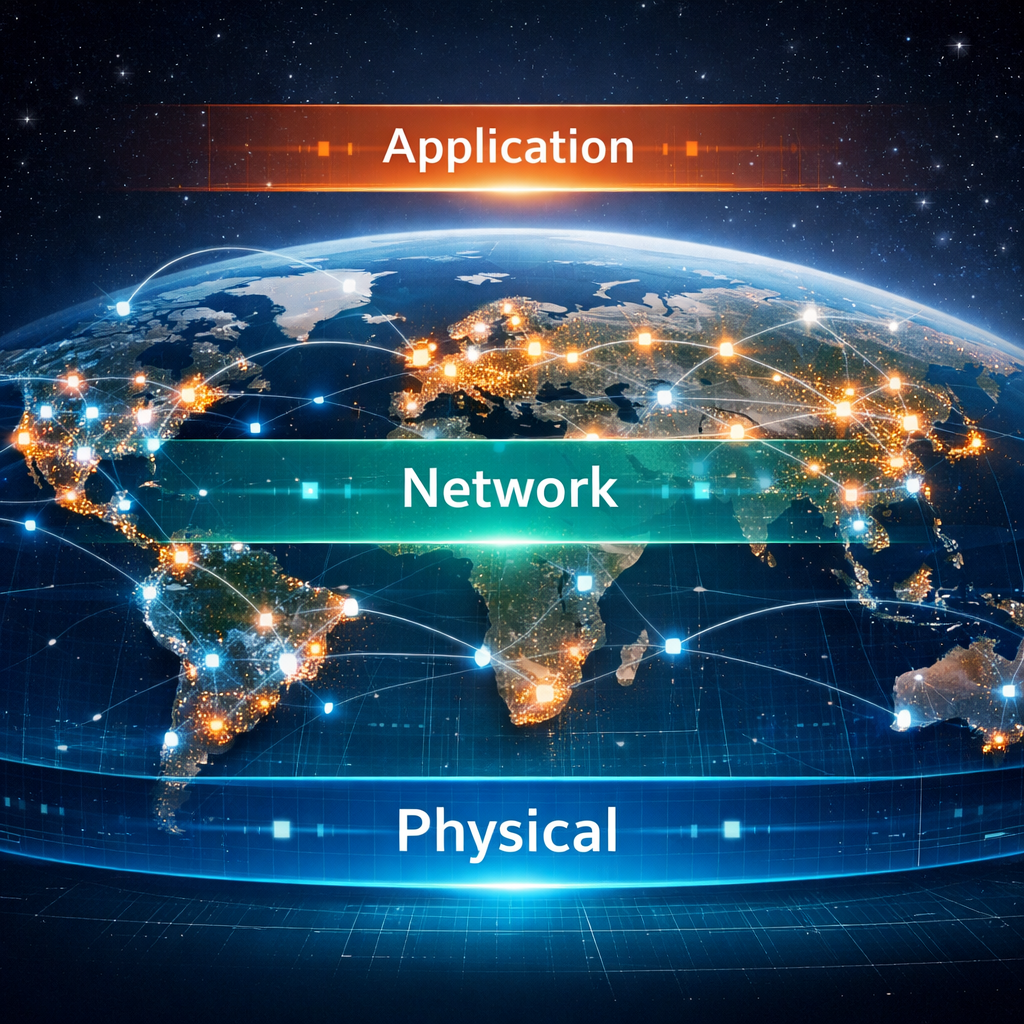
Internet architecture forms the basis of the data flow between the devices around the globe. When you visit a web site, view a video, or even use an online application, there is a complicated sequence of interactions between the clients, servers, routers, and network layers. This structure is vital in the understanding of how the Internet has been able to deliver on performance, security, and scalability.
The Internet is basically a world network of interconnected networks that are meant to transmit information effectively. It is not an arbitrary group of devices but a highly complex ecosystem that guarantees that information is delivered to the destination fast and dependably. Contemporary applications are based on this hierarchical structure so as to deliver smooth user experiences on millions of devices at once.
Introduction to Internet Architecture
Internet may be thought of as a layered system, with each layer having certain functions, but relating to the other layers. This multi-layered design enables network designers to decouple issues, maximize performance and effectively implement security. The major elements of this architecture are:
- Clients: This is a device or an application that makes a request.
- Servers: Round trip processes.
- Routers and Switches: These devices are used to redirect the data over the networks and make sure that it takes the best routes.
- Network Layers: Theoretical layers describing the packaging of data, the transmission of data, routing of data, and interpretation of data.
Combining these elements, the Internet is able to process billions of transactions per day without perceptible delays, creating the framework of the digital communication of the modern era.
Clients: The Gateway to the Internet
The users come to the digital world through clients. It is their duty to start requests and decode the responses of the servers. User experience directly relates to the effectiveness and the abilities of clients. The clients can be characterized as having some key aspects which include:
- Request Initiation: Sending requests to servers in order to request data or services.
- User Interface: The interface should be user-friendly to the user when interacting with applications.
- Data Interpretation: The processing and presentation of information received at the servers into readable form.
- Various Forms: The clients can be of a wide range, including such devices and applications as web browsers and mobile applications, IoT devices, or smart home systems.
On opening a site, a user makes requests that the client (app or browser) creates, forwards them to the servers and renders the results. Clients that are optimized appropriately enhance speed and reliability to the end-users.
Servers: The Heart of Digital Services
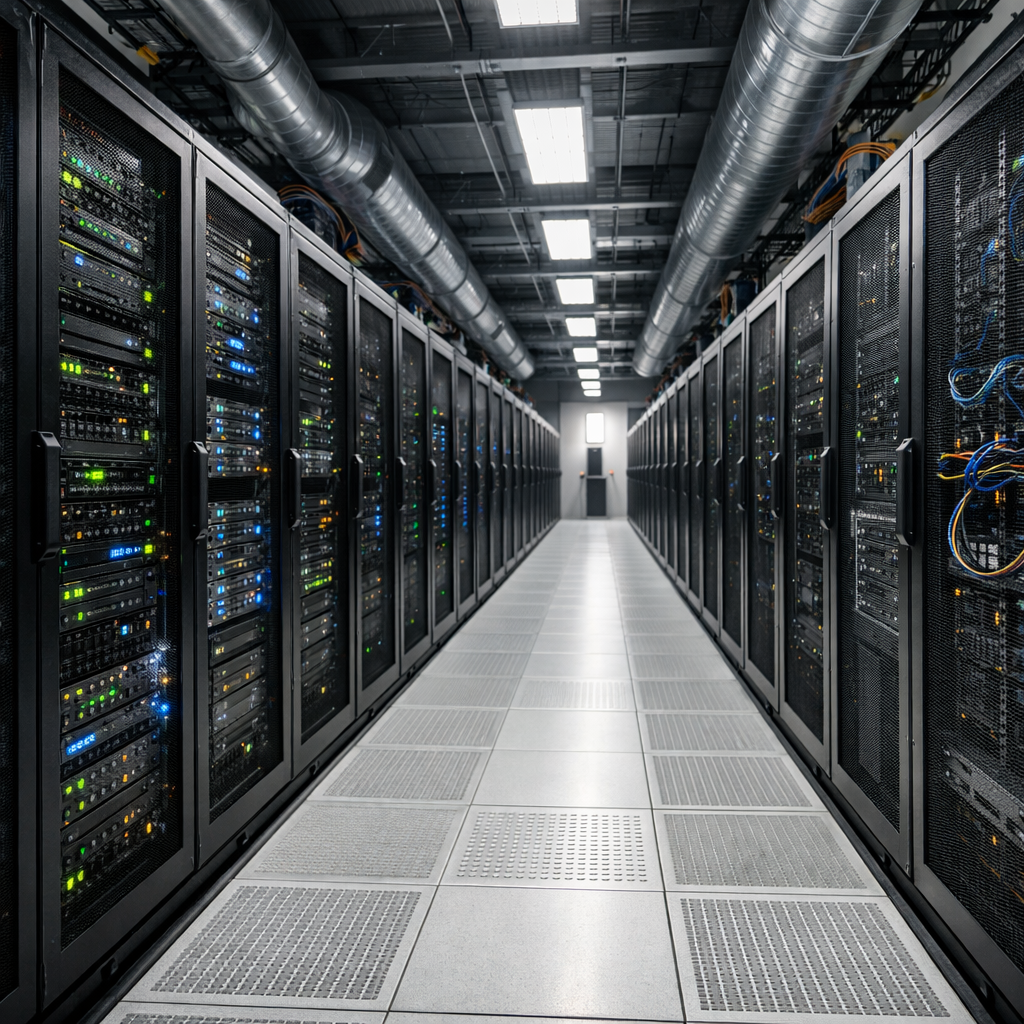
The key nodes are servers that connect, store and serve information to customers. Contemporary servers are extremely specialized and in most cases sit in huge data centers that have solid networking and storage infrastructure. Primary tasks of servers will be:
- Request Processing: A request processing is a process of handling multiple requests at the same time.
- Data Management: Storing and sorting of large amount of data.
- Service Provisioning: Web applications, databases, files and multimedia content.
- Reliability and Redundancy: The backup systems and load balancing are used to avoid downtime.
There are various forms of servers based on their role, including web servers to support websites, application servers to execute business-level complexity, database servers to store structured data, and file servers to support the use of a resource.
Internet Routers and Switches: The Direction of Internet Traffic
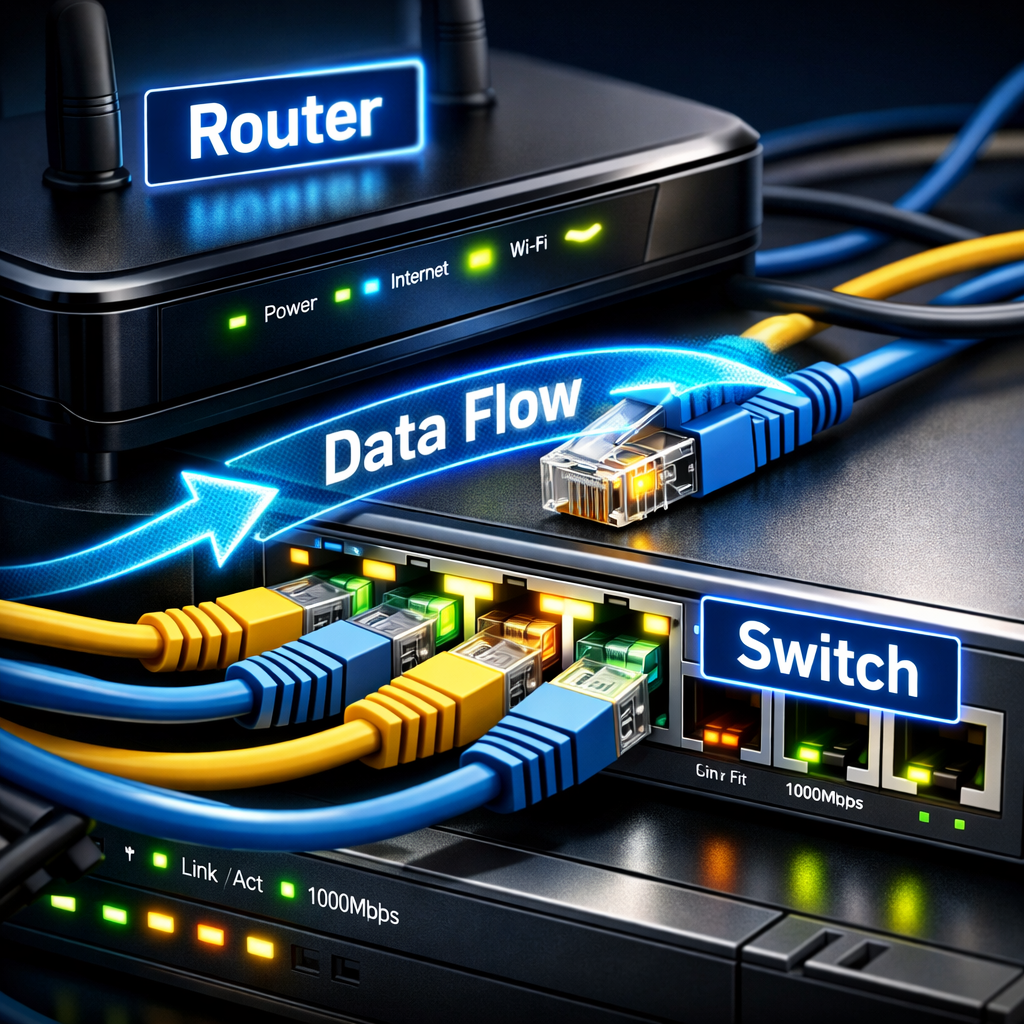
The routers and switches are traffic controllers in the Internet making sure that the data packets arrive at the right locations in the most efficient way possible. Their functions include:
- Routers: The process of linking various networks and deciding the best route that individual data packet should take depending on the routing protocols.
- Switches: Switches are used in networks to switch data between devices in networks swiftly and effectively.
- Traffic Optimization: Latency reduction and network congestion elimination.
- Redundancy and Reliability: This offers alternate routes to data in case of malfunction of the hardware.
These devices are critical to the operation of Internet performance and reliability without which data would not be moved reliably between clients and servers.
Network Layers: Internet Communication Organization
The Internet has a layered method to isolate issues and ease the interaction process. Each layer concentrates on a certain area of data transmission and this is the reason why the working of different devices and networks is not hampered. The layers include:
- Physical Layer: This involves the physical transmission of data that involves cables, fiber optics and wireless communications.
- Data Link Layer: Provides internet communications both between nodes and detecting errors in networks.
- Network Layer: This is the layer that deals with addressing, routing and forwarding of data packets in between networks.
- Transport Layer: This layer handles dependable transfer of information through protocol such as TCP or connectionless communication that is quicker via UDP.
- Application Layer: It involves services to the users directly e.g. web browsing, email and file transfer services.
The working of each layer is independent of the other and each layer works effectively with adjacent layers thus enabling the developers to concentrate on their applications without the fear of physical transmission problems.
The Flow of Data over the Internet
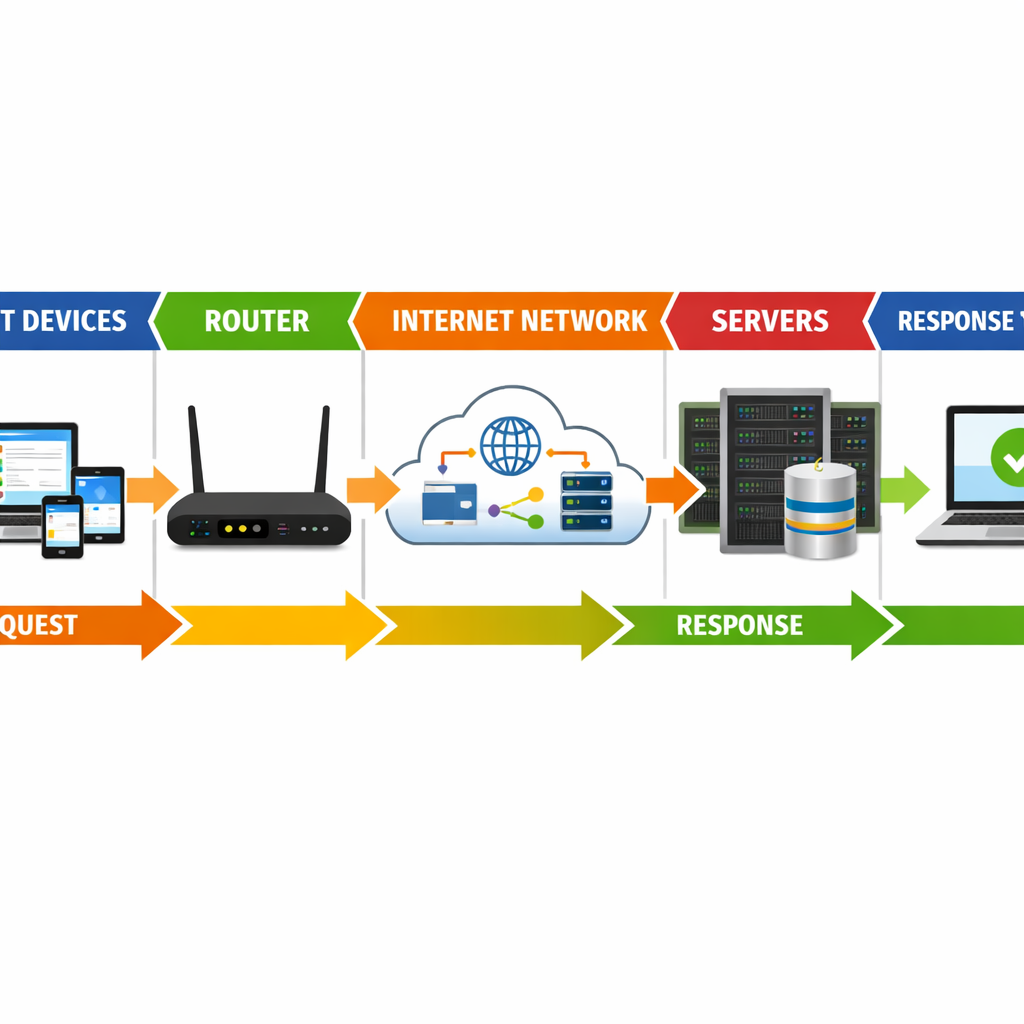
Information that is transmitted on the Internet takes an intricate route containing numerous gadgets and systems. The description of this flow makes the importance of performance and security clear:
- Request Generation: The user generates a request to an object, e.g. a web page or video.
- Packet Formation: The transport layer breaks down the data to packets to be relayed effectively.
- Routing: Routers decide the most efficient route to use in the various networks to access the server.
- Server Processing: The server reassembles packets, performs processing operation and responds.
- Response Delivery: The response is sent back using routers and reassembled by the client and shown to the user.
- Caching and CDNs: The Content Delivery Networks are able to store frequently visited data near customers and cut the distance of travel and speed up the data.
All of this takes place in milliseconds, which enables the computer programs of today to seem instant.
Performance Considerations
The design of architecture is important to Internet performance. Such factors as speed and responsiveness depend on:
- Latency: The time spent by the data between the client and server and vice versa.
- Bandwidth: The amount of data that is capable of being conveyed in the course of a second.
- Load Balancing: Spreading the traffic in different servers to avoid overload and guarantee quick response time.
- Caching Strategies: Retention of data that is used by clients more often in areas near clients to reduce network visits.
Networks have been designed to maximize these factors to guarantee a smooth user experience even when there is high traffic.
Internet Architecture Security
Internet architecture is associated with security, which should be implemented at various levels to avoid attacks and data loss. Significant security practices are:
- Firewalls and Network Segmentation: Traffic management and privacy of sensitive information.
- Encryption: Protecting the data on transit using protocols such as TLS/SSL.
- Redundancy and Failover: Insuring services in case of hardware failure or any cyberattack.
- Monitoring and Intrusion Detection: This is the detection of suspicious activity in order to prevent threats before they happen.
Having a well-designed network could minimize the vulnerabilities and protect the information of the users and ensure the trust and integrity of the services.
Scalability to Applications of the Present Day
Scalability allows the Internet infrastructure to increase with user demand without losing efficiency. Scalability can be attained by techniques such as:
- Horizontal Scaling: Adding additional servers to the workload.
- Vertical Scaling: Increasing resources of servers.
- Cloud Infrastructure: Dynamically scaling up and down the resources according to the traffic demands.
- Global Distribution: Deploying servers and CDNs around the world to provide service to users at closer geographic locations.
Scalable architecture is essential to handle applications with a massive user base of millions of users at once like social media platforms, streaming platforms, and online markets.
Conclusion
Internet is a complex multi-layered network in which clients, servers, routers and network layers collaborate to relay information through the globe in a reliable manner. Knowing the structural architecture of the Internet assists developers, network engineers, and IT professionals to develop fast, secure and scalable systems. The correct architecture has a direct impact on performance, security, and scalability to address growth, which are all important to the contemporary digital services.