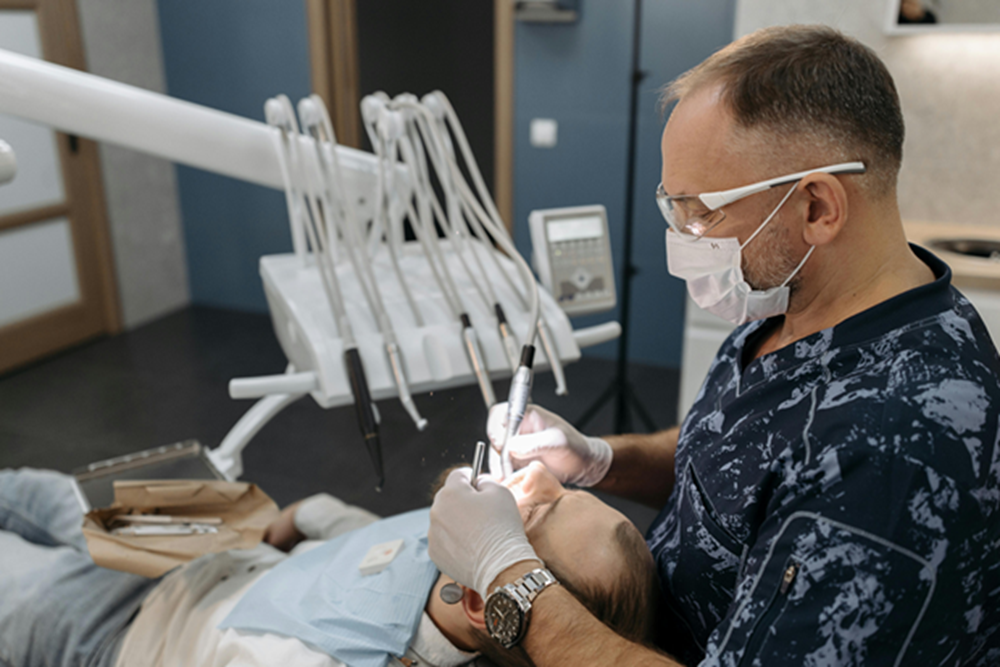
Sure, visiting the dentist twice a year is important, but what about the other 363 days? That’s where the real work happens. Your daily habits between those professional cleanings determine if you’re preventing problems or letting them quietly develop. Think of your dentist as a coach who checks your progress periodically, but you’re the one doing the training every single day. The good news? Protecting your teeth doesn’t require complicated routines or expensive products. With some straightforward practices and a bit of consistency, you can keep your smile healthy and potentially avoid those unpleasant surprises during your next appointment. Let’s explore the practical steps that make a real difference in your oral health.
Master Your Daily Brushing Technique
Here’s something surprising: most people have been brushing their teeth incorrectly for years without knowing it. It’s not just about scrubbing for a couple of minutes; technique matters more than you might think. You’ll want to brush at least twice daily for a full two minutes each time, using a soft-bristled toothbrush with fluoride toothpaste. The angle matters too: hold your brush at forty-five degrees to your gums and use gentle circular motions instead of that aggressive back-and-forth sawing motion many people default to.
Never Skip Flossing
Flossing is probably the most skipped step in oral care routines. It feels tedious, sometimes uncomfortable, and it’s easy to convince yourself that brushing alone is enough. But here’s the reality: your toothbrush can’t reach about 35% of your tooth surfaces, the tight spaces between teeth where cavities often start. Flossing at least once daily, ideally before bed, prevents bacteria from throwing an all-night party between your teeth.
Make Smart Dietary Choices for Dental Health
Your mouth reacts to everything you eat and drink, sometimes within minutes. Those bacteria living on your teeth are surprisingly opportunistic; they feast on sugar and then produce acid as a byproduct, which attacks your enamel and eventually creates cavities. Constant sipping on sugary drinks or munching on candy throughout the day gives bacteria a non-stop buffet. Acidic foods and beverages aren’t innocent either; citrus fruits, tomatoes, and sodas gradually wear away enamel over time, even if they’re sugar-free.
Use Protective Dental Products
Think of your basic brushing and flossing routine as the foundation, and these additional products as reinforcements that provide extra protection. Fluoride mouthwash strengthens enamel in those spots that are tricky to reach with a brush, giving you an added layer of cavity defense. Antimicrobial rinses reduce bacteria levels and help prevent gingivitis, though they work best as supplements to brushing and flossing, not replacements. Do you wake up with jaw pain or notice your teeth getting worn down? You might be grinding at night without realizing it.
Recognize and Address Warning Signs Early
Your mouth is pretty good at sending warning signals when something’s wrong; the trick is paying attention to them. Persistent bad breath that doesn’t go away after brushing could indicate underlying issues like gum disease or decay. Gums that bleed when you brush or floss aren’t normal, despite what many people assume. Sudden sensitivity to hot or cold temperatures often signals enamel erosion or cavity development. Notice any changes in how your teeth look or feel. Loose teeth, visible discoloration, or unusual bumps and sores that stick around for more than two weeks; all warrant a call to your dentist. Don’t wait for your scheduled appointment if you’re experiencing actual pain or swelling; these symptoms rarely improve on their own and usually get worse. Parents monitoring their children’s dental development should stay especially alert, since kids can’t always articulate what’s bothering them. When concerns arise, connecting with a pediatric dentist in Moreno Valley ensures specialized attention to developmental issues before they become bigger problems. Get in the habit of examining your teeth and gums in the mirror regularly, maybe once a week. Catching issues early often means simpler, less expensive treatments. Some people even take photos of concerning areas to track changes over time; this visual record can be incredibly helpful when discussing symptoms with your dental professional.
Conclusion
Keeping your teeth healthy between dental visits isn’t rocket science, but it does require consistency and attention to detail. The habits we’ve covered, proper brushing and flossing, smart eating choices, protective products, and staying alert to warning signs, form a comprehensive approach that works alongside, not instead of, your regular dental appointments. Think of it this way: you’re not just preventing problems; you’re investing in yourself. The time you spend on these practices today translates directly into fewer dental issues tomorrow, which means less discomfort, lower costs, and more confidence in your smile.