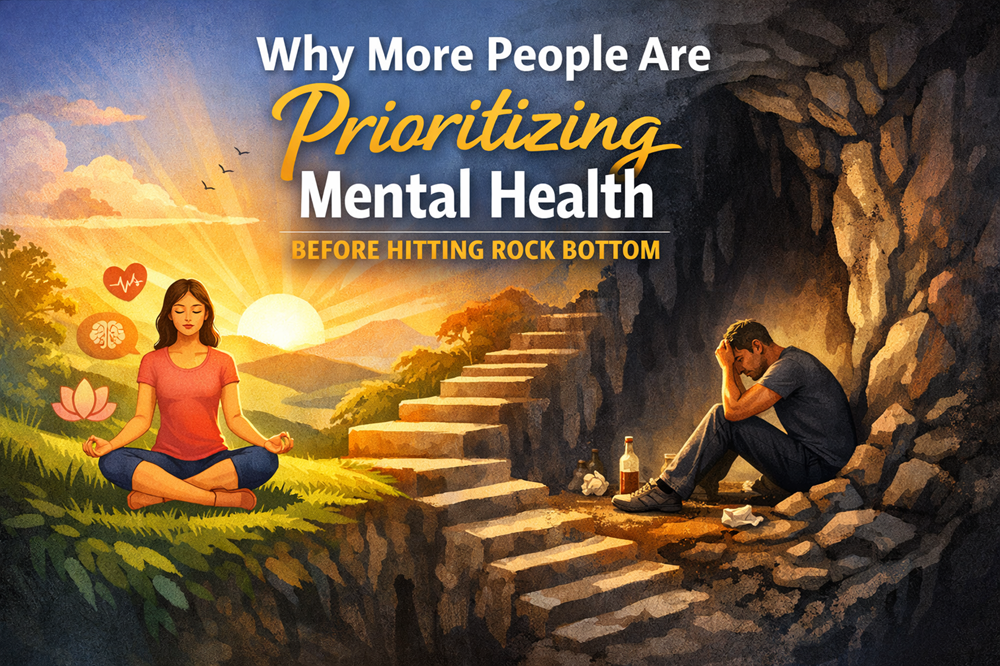
The old approach to mental health treatment followed a predictable pattern. People struggled in silence until things fell apart completely. Only then, after losing jobs, relationships, or their sense of self, would they finally seek help. That model is breaking down. A growing number of people now pursue mental health support proactively, treating it as maintenance rather than emergency repair. This shift represents one of the most significant changes in how society approaches psychological well-being.
Treatment facilities and mental health providers have noticed the change. More clients now recognize early warning signs and seek intervention before crisis hits. These individuals haven’t necessarily experienced catastrophic events. They’ve simply noticed patterns in their behavior, mood, or substance use that concern them. Choosing help early rather than late reflects a maturation in how people think about mental wellness. Prevention has finally started catching up with treatment.
What’s Driving the Shift
Several factors have combined to normalize proactive mental health care. The pandemic forced millions of people to confront their psychological state during extended isolation. Many discovered coping mechanisms that worked short-term but created longer-term problems. Increased alcohol consumption, reliance on sleep medications, and untreated anxiety became widespread. When restrictions lifted, people carried those patterns back into regular life and started asking harder questions about their mental state.
Generational attitudes play a role too. Younger adults grew up with more exposure to mental health concepts and less stigma around seeking treatment. They watched older relatives suffer in silence and decided that approach made no sense. Therapy became normalized through media representation and open discussion on social platforms. What once signaled weakness now signals self-awareness.
The National Institute of Mental Health reports that approximately one in five American adults lives with a mental health condition. That’s over 50 million people. Yet treatment rates have historically lagged far behind prevalence. The gap is narrowing as barriers drop and attitudes evolve. People no longer wait until symptoms become unbearable. They act when symptoms become noticeable.
Early Intervention Changes Outcomes
The case for early treatment rests on solid evidence. Mental health conditions typically respond better to intervention before they become entrenched. Someone experiencing early signs of depression has more treatment options and faster recovery prospects than someone who has struggled for years without help. The same applies to substance use patterns. Addressing problematic drinking before physical dependence develops is simpler than treating full addiction.
This logic parallels how we approach physical health. Nobody thinks it’s strange to see a doctor for persistent headaches before they become debilitating. Regular checkups catch problems early. Exercise and nutrition prevent disease rather than just treating it. Mental health is finally receiving the same preventive mindset. People are learning to monitor their psychological state with the same attention they give their physical body.
Recovery facilities have adapted their offerings accordingly. Many now provide outpatient programs, therapy options, and wellness services designed for people who aren’t in crisis but recognize they need support. The old model of residential treatment as the only option has expanded into a continuum of care that meets people wherever they are. This flexibility encourages earlier engagement with treatment systems.
Recognizing the Signs That Matter
Knowing when to seek help requires honest self-assessment. Most people can distinguish between a bad week and a concerning pattern. The difference lies in duration, intensity, and impact on daily functioning. Everyone feels sad sometimes. Feeling sad most days for weeks straight is different. Everyone drinks occasionally. Needing drinks to manage ordinary stress is different.
Sleep patterns often signal trouble early. Persistent insomnia, sleeping far more than usual, or waking up exhausted despite adequate hours all warrant attention. Changes in appetite, social withdrawal, and loss of interest in previously enjoyable activities also appear on the list. Increased reliance on substances to feel normal rather than enhanced represents another warning sign that too many people dismiss.
According to the Substance Abuse and Mental Health Services Administration, millions of calls to their helpline come from people who aren’t in immediate crisis but sense something is wrong. They’re looking for guidance before problems escalate. This represents exactly the kind of proactive behavior that improves outcomes. Reaching out at the first sign of concern takes far less courage than waiting until everything collapses.
The Role of Support Systems
Nobody recovers alone. Whether dealing with depression, anxiety, substance use, or other challenges, connection to others plays a central role in healing. This doesn’t mean burdening friends and family with therapeutic responsibilities they aren’t equipped to handle. It means building networks that include personal relationships and professional support.
Treatment providers increasingly emphasize this community aspect. Group therapy, peer support programs, and family involvement in recovery all reflect understanding that isolation makes problems worse. Facilities like https://www.niagararecovery.com/ build these connection-focused approaches into their treatment models. People considering early intervention should think about who they can confide in and what professional resources exist in their area. Having options mapped out before a crisis hits makes acting on those options easier.
Workplace attitudes matter here too. Companies that offer mental health benefits and normalize their use see employees engage with those resources earlier. When taking a mental health day carries no more stigma than taking a sick day for the flu, people feel freer to prioritize their psychological well-being. Organizational culture shapes individual behavior more than most business leaders realize.
Moving Past Stigma
Despite progress, stigma still prevents many people from seeking help. Admitting to mental health struggles can feel like admitting weakness, failure, or instability. These feelings are understandable but counterproductive. Strength actually lies in recognizing problems and addressing them. Weakness is pretending everything is fine while slowly deteriorating.
Reframing mental health treatment as self-improvement rather than damage repair helps some people overcome hesitation. Others respond better to practical arguments about protecting careers, relationships, and quality of life. Whatever framing works, the goal is getting past internal resistance that keeps people suffering longer than necessary.
Public figures discussing their mental health journeys have moved the needle on stigma. Athletes, executives, and celebrities sharing stories about therapy and recovery normalize these experiences. Regular people see that success and mental health challenges coexist.
Taking the First Step
The hardest part of any mental health journey is starting. Making the call, booking the appointment, or walking through the door requires overcoming inertia and fear. But every person who has gone through treatment says the same thing: they wish they had done it sooner. The relief of finally addressing what’s wrong outweighs the discomfort of admitting something needed attention.
If you’ve noticed patterns in your mood, sleep, substance use, or overall functioning that concern you, trust that instinct. You don’t need to wait for things to get worse before you deserve help. Early intervention isn’t about being broken. It’s about being smart enough to maintain your well-being before maintenance becomes repair.
Resources exist at every level. Therapists, counselors, treatment centers, support groups, and helplines all provide entry points. The right option depends on individual circumstances, but the important thing is choosing something rather than nothing. Your future self will thank you for acting today rather than waiting for tomorrow’s crisis.