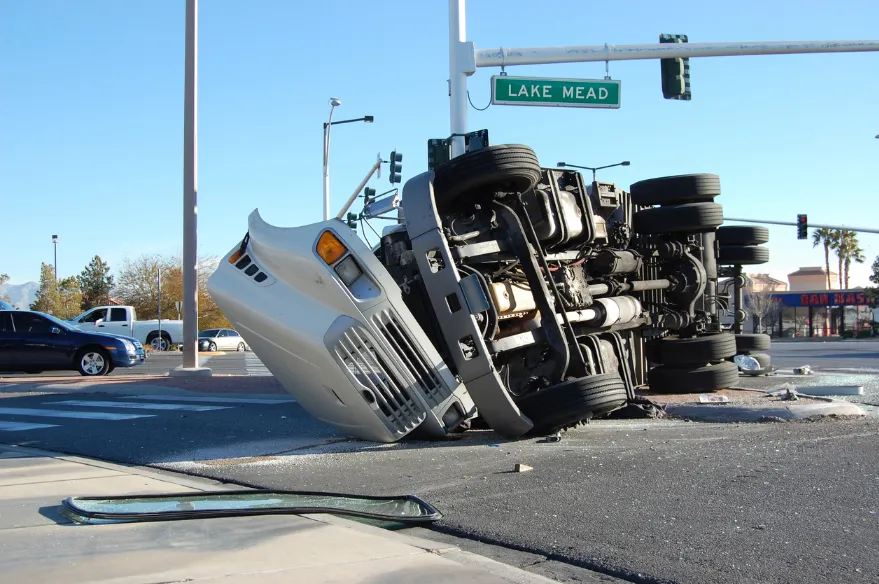
Large trucks move most of the goods you use every day. You share the road with them on highways, city streets, and near your home. When a commercial truck crashes, the damage can be sudden and severe. You may face broken bones, lost work, and fear every time you hear air brakes. This blog explains the most common causes of commercial truck accidents so you can better understand what happened to you or someone you care about. You will see how driver choices, company pressures, and unsafe trucks all play a role. You will also see how road design and weather add more risk. If you are sorting through the wreckage of a crash, you may feel angry, confused, or numb. You may also wonder when to call a truck accident lawyer and what to ask. This guide helps you start that process with clear facts.
How Often Large Truck Crashes Happen
You see trucks every day, but you may not see how often they crash. Data from the Federal Motor Carrier Safety Administration shows tens of thousands of large truck injury crashes each year in the United States. Many involve more than one car. Often the people in the smaller car suffer the worst harm.
These numbers reflect real families. Each crash can change jobs, school plans, and long term health. When you know the common causes, you can spot danger early and make safer choices on the road.
Large Truck Crashes in the United States (Illustrative Annual Snapshot)
| Crash Type | Estimated Number of Crashes | Common Outcome |
|---|---|---|
| Property damage only | ≈ 350,000 | Vehicle and cargo damage |
| Injury crashes | ≈ 100,000 | Non fatal injuries |
| Fatal crashes | ≈ 5,000 | Loss of life |
You can review national truck crash data on the FMCSA Large Truck and Bus Crash Facts page.
Driver Fatigue and Long Hours
Truck drivers often spend long hours on the road. Even with federal hours of service rules, some drivers push past safe limits. Others feel pressure from tight delivery windows or company demands. When a driver is tired, reaction time slows. Judgment weakens. The risk climbs fast.
Warning signs of fatigue include:
- Heavy eyelids or blinking
- Drifting from the lane
- Not remembering the last few miles
You can protect yourself by:
- Leaving space between your car and trucks
- Avoiding long side by side travel next to a truck
- Passing with purpose and then moving ahead
Speeding and Following Too Close
Speed turns a small mistake into a deadly crash. Trucks need much more distance to stop than cars. At highway speed, a fully loaded truck may need two football fields to come to a full stop. If a driver speeds or follows too close, there is little room to avoid a sudden slowdown or road hazard.
Common results of speeding include:
- Rear end crashes into slower cars
- Jackknife crashes when a truck skids
- Rollover crashes on curves or ramps
You can lower your risk by slowing before curves, ramps, and work zones. You can also avoid cutting in front of a truck and then braking hard. The truck may not be able to stop in time.
Distracted Driving and Inattention
Anything that takes a driver’s eyes, hands, or mind away from the road can cause a crash. For truck drivers, common distractions include:
- Texting or using a phone
- Adjusting GPS or in cab systems
- Eating or reaching for items
A truck that drifts across a centerline or onto a shoulder can crush a smaller car in seconds. You can watch for wandering trucks, sudden lane changes, or trucks that cannot hold a steady speed. When you see these signs, you can give more space or exit the lane.
Impaired Driving
Alcohol and drugs slow reaction time and blur judgment. For truck drivers, even small amounts can cause big harm due to the size and weight of the vehicle. Some drivers also use stimulants to stay awake, which can cause risky choices or sudden crashes when the effect fades.
If you see a truck that swerves, brakes late, or speeds up and slows down without cause, you can treat it as a threat. You can drop back, change lanes, or exit and call local law enforcement when safe.
Poor Maintenance and Equipment Failure
Trucking companies must keep brakes, tires, lights, and steering systems in safe condition. When they skip checks or delay repairs, parts can fail on the road. Common problems include:
- Worn brake pads that overheat and lose power
- Bald tires that blow out at speed
- Broken lights that hide braking or turns
These failures can lead to rear end crashes, rollovers, or cars crushed by flying debris. You can reduce your risk by avoiding travel next to trucks with smoking brakes, wobbling trailers, or loose cargo. You can move away and report unsafe trucks to local highway patrol. The NHTSA Traffic Safety Facts pages show how equipment issues add to crash risk.
Cargo Loading and Trailer Stability
How a trailer is loaded matters. If cargo is too heavy on one side, stacked too high, or not tied down, the truck can tip or lose items on the road. Off balance loads raise the chance of:
- Rollover crashes on ramps and curves
- Cargo falling into traffic
- Jackknife crashes during sudden braking
You can watch for trailers that lean, sway, or ride low on one side. You can avoid driving close behind open trailers that carry logs, pipes, or loose items.
Weather, Road Design, and Work Zones
Rain, snow, ice, fog, and strong wind all affect truck control. Trucks need more time to stop on wet or icy roads. Wind can push high trailers across lanes. Poor road design can also add danger, such as sharp curves, short merge lanes, or faded lines.
Work zones bring sudden lane shifts, concrete barriers, and slow traffic. Trucks cannot change lanes or stop as quickly as cars. You can:
- Slow before work zones and leave extra space
- Use headlights in rain and fog so trucks see you
- Avoid sudden lane changes near trucks
What You Can Do After a Truck Crash
If you or someone you love has been in a commercial truck crash, you may feel overwhelmed. You can focus on three steps.
- First, get medical care and follow up checks.
- Next, gather records such as photos, police reports, and medical bills.
- Then, consider speaking with a trusted legal professional who understands truck crashes.
You do not have to face the aftermath alone. When you understand the common causes of commercial truck accidents, you can ask sharper questions, protect your rights, and make calmer choices for your family.


