Enjoying wine at its best goes beyond selecting the right bottle—it’s also about how the wine is served. A wine decanter is not just a stylish accessory for your dining table; it is a functional tool that can significantly improve the taste, aroma, and overall character of wine. Whether you are a seasoned collector or just beginning to explore the world of wine, understanding how to choose the right decanter can transform an ordinary glass into a refined tasting experience.
Decanters help wine breathe, allowing oxygen to interact with the liquid and unlock deeper flavors. This process can soften harsh tannins, enhance aromas, and reveal hidden notes that might otherwise remain subdued.
What Is a Wine Decanter and Why Does It Matter
A wine decanter is a specially designed vessel, typically made of glass or crystal, designed to enhance the quality of wine before serving. Its wide base increases the wine’s exposure to oxygen, while the narrow neck helps preserve aromas during pouring.
Decanting serves two main purposes. First, it allows aeration, which enhances the wine’s structure and complexity. Second, it helps separate sediment from older wines, ensuring a smoother and more enjoyable pour. Both functions play a crucial role in enhancing the tasting experience, particularly for red wines.
How a Decanter Improves Wine Tasting
Decanting allows oxidation to occur in a controlled way. This process reduces sharp edges in young wines and softens strong tannins that may overpower the palate. As oxygen interacts with the wine, aromatic compounds are released, making the wine more expressive and balanced.
For aged wines, decanting also helps remove sediment that naturally forms over time. This ensures clarity in both taste and appearance, allowing you to enjoy the wine exactly as intended.
Key Factors to Consider When Choosing a Wine Decanter
Selecting the right decanter depends on your personal preferences and the types of wine you typically enjoy. Several factors should guide your decision.
Material Selection
Wine decanters are commonly made from glass or crystal. Glass decanters are practical, affordable, and easy to maintain. Crystal decanters, while more delicate, add elegance and visual appeal to your collection and are often preferred for formal occasions.
Shape and Size
The shape of a decanter directly affects aeration. Wide-bottom decanters provide more surface area, making them ideal for full-bodied red wines that benefit from extended oxygen exposure. Smaller or more compact designs are suitable for lighter wines that require minimal aeration.
Ease of Handling and Cleaning
A decanter should be comfortable to hold and easy to pour from. Overly complex shapes may look impressive but can be difficult to clean. Choosing a decanter that balances design with practicality ensures long-term usability.
Different Types of Wine Decanters Explained
Wine decanters come in a variety of styles, each designed to serve a specific purpose.
Classic Decanters
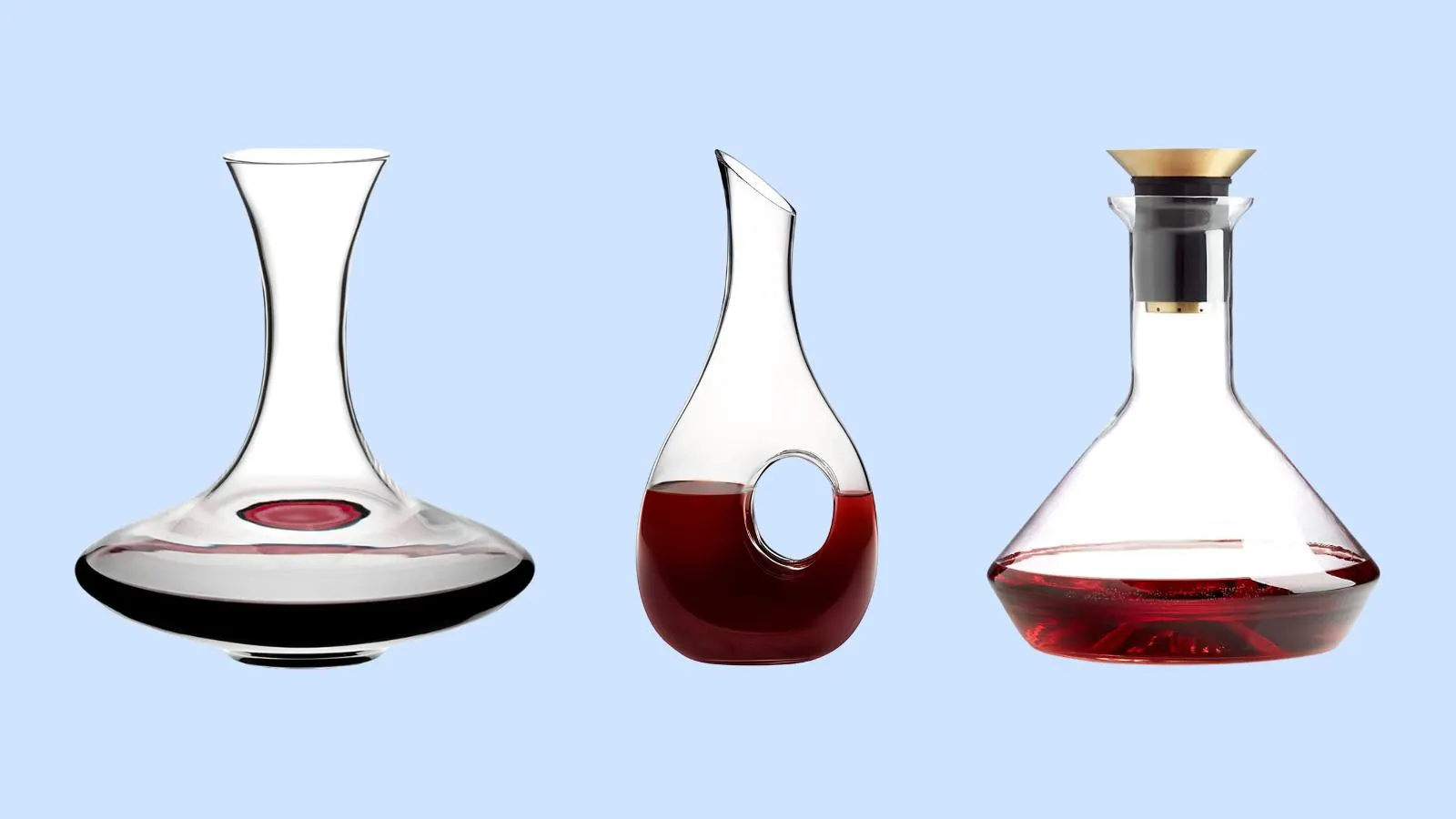
These feature a traditional wide base and tall neck, making them perfect for red wines like Cabernet Sauvignon or Merlot. Their simple design maximizes aeration and is suitable for most collections.
Modern and Sculptural Decanters
Contemporary decanters often feature artistic curves and bold designs. They enhance airflow while also serving as statement pieces for the table, blending function with aesthetics.
Self-Aerating Decanters
These innovative designs aerate wine as it is poured, making them ideal for those who want quick results without waiting. They are especially useful for casual wine drinkers.
Funnel-Style Decanters
Designed for precision pouring, these decanters reduce spills and help guide wine smoothly into the vessel, making them beginner-friendly and practical.
How Decanting Enhances Flavor and Aroma
The core benefit of decanting lies in aeration. When wine comes into contact with oxygen, harsh elements soften and layered flavors emerge. This process enhances balance and reveals complexity, particularly in young red wines that may initially taste tight or aggressive.
Decanting also allows aromas to fully develop. Subtle notes of fruit, spice, or earth become more pronounced, creating a richer sensory experience with every sip.
Caring for and Maintaining Your Wine Decanter
Proper care ensures your decanter remains both functional and visually appealing. Avoid harsh detergents, as they can leave residues that affect taste. Instead, rinse with warm water and use a soft cleaning brush or specialized decanter beads for stubborn stains.
After cleaning, allow the decanter to dry completely before storing it. Proper storage prevents moisture buildup and helps preserve clarity and freshness.
Choosing a Decanter for Aging and Mature Wines
Some wines benefit from slow, gradual aeration. For these, larger decanters with wide bases are ideal. They allow oxygen to interact gently with the wine, supporting flavor development without overwhelming delicate notes.
Decanters designed for aging wines are especially suited for classic reds such as Bordeaux or Burgundy, where controlled exposure enhances depth and refinement.
Conclusion
A wine decanter is more than a serving vessel—it is an essential part of enjoying wine at its finest. By selecting the right decanter based on material, shape, and aeration needs, you can enhance both flavor and aroma while elevating presentation. Whether you are expanding your collection or refining your tasting rituals, the right decanter adds depth, elegance, and enjoyment to every glass you pour.