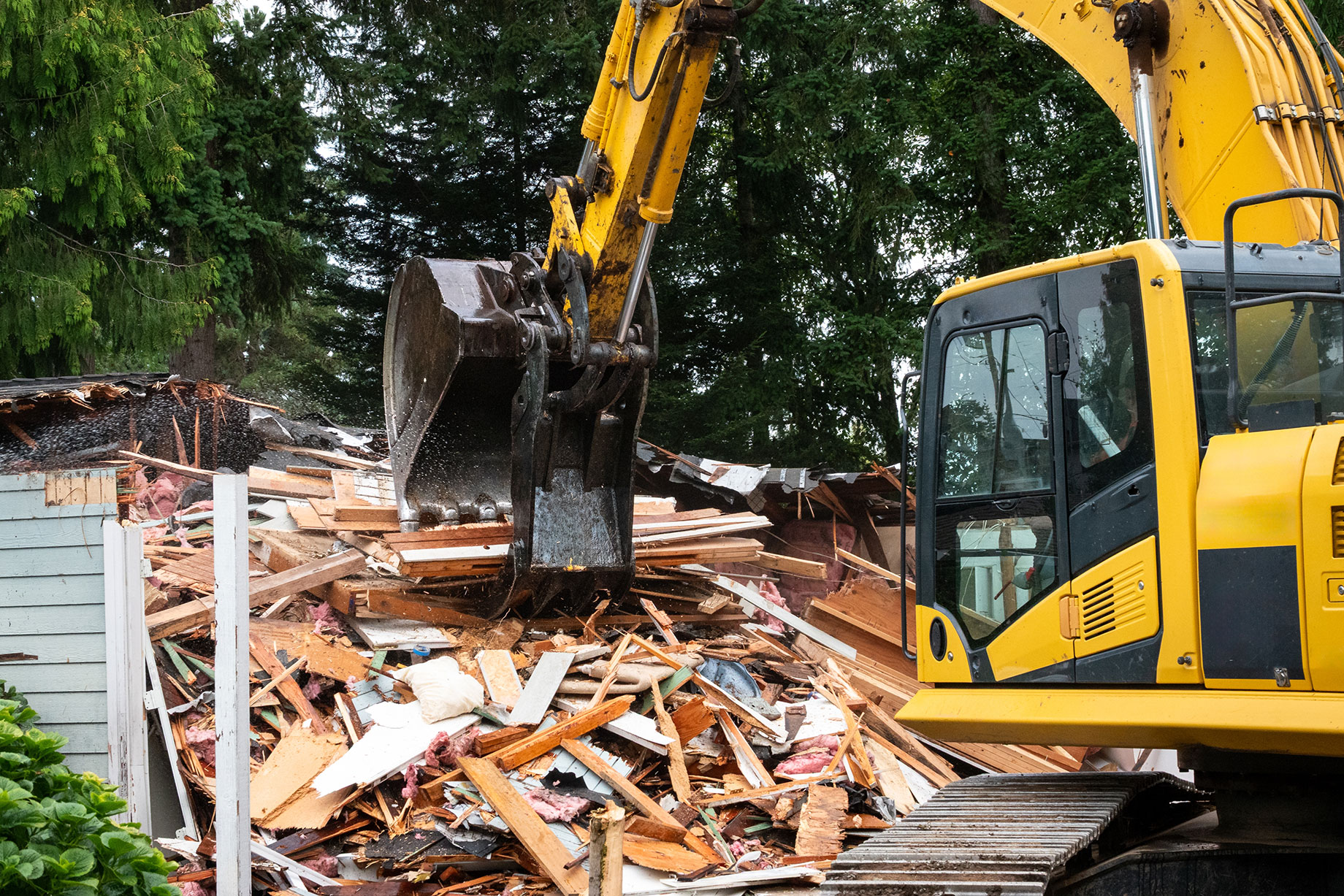
Demolition can look dramatic from the outside. Walls come down, machinery moves in, and a site changes rapidly. But behind every successful demolition project is a carefully planned process focused on safety, control, and efficiency. Total demolition isn’t about force—it’s about precision.
When handled properly, demolition clears the way for new opportunities while protecting people, neighbouring properties, and the environment. Understanding how these projects are managed helps explain why professional planning matters so much.
Demolition Starts Long Before Anything Comes Down
A total demolition project begins with preparation.
Before equipment arrives, specialists assess the structure, materials, surrounding buildings, and access points. This helps identify risks and determine the safest method to dismantle the site.
In aviation, pre-flight checks matter more than the flight itself. Demolition works the same way—planning prevents problems later.
Careful assessment sets the foundation for a smooth project.
Safety Is Built Into Every Stage
Safety is not a single step—it’s woven into the entire process.
Teams establish exclusion zones, install protective barriers, and ensure only authorised personnel are on site. Dust control, noise management, and vibration monitoring protect both workers and nearby properties.
In manufacturing, machinery is isolated before maintenance begins. Demolition uses similar safety controls to manage risk.
Protecting people always comes first.
Managing Hazardous Materials Properly
Older buildings often contain materials that need special handling.
This can include asbestos, lead-based paint, or contaminated soil. These materials must be identified and removed safely before demolition continues.
Understanding how demolition works explains why hazardous material management is such a critical part of the process. Skipping this step can create serious health and legal risks.
Proper removal ensures the site is safe for what comes next.
Choosing the Right Demolition Method
Not all buildings are demolished the same way.
Some projects use mechanical demolition, while others require manual dismantling to protect nearby structures. The chosen method depends on location, building size, and the surrounding environment.
In urban construction, space limitations demand careful technique. Demolition adapts to its surroundings rather than forcing a one-size-fits-all approach.
The right method improves both safety and efficiency.
Efficient Site Management Keeps Projects on Track
Efficiency isn’t about speed alone—it’s about coordination.
Equipment schedules, waste removal, and site access are carefully managed to avoid delays. Materials are sorted for recycling or disposal as work progresses.
In logistics, efficient workflows reduce downtime and costs. Demolition benefits from the same structured approach.
A good organisation keeps projects moving without chaos.
Minimising Impact on Neighbours and Surroundings
Demolition often happens near homes, businesses, or public spaces.
Noise, dust, and vibration must be controlled to minimise disruption. Water suppression, timing restrictions, and communication with neighbours all play a role.
In roadworks, clear signage and staged closures reduce disruption. Demolition projects apply similar strategies to respect surrounding communities.
Consideration builds goodwill and avoids complaints.
Waste Management and Responsible Disposal
Total demolition generates significant waste.
Concrete, timber, metal, and other materials are sorted to maximise recycling and reduce landfill use. Responsible disposal is both an environmental and regulatory priority.
In modern construction, sustainability starts at the demolition phase. Reusing and recycling materials supports future development.
Responsible waste handling is part of professional practice.
Clear Communication Throughout the Project
Good communication keeps everyone aligned.
Property owners, contractors, and local authorities need regular updates. Clear timelines and expectations prevent misunderstandings.
In project management, communication failures cause more delays than technical issues. Demolition projects benefit from transparency at every stage.
Clarity supports confidence.
When Professional Total Demolition Makes the Difference
Professional demolition services are essential when:
- Sites are close to other buildings.
- Hazardous materials are present.
- Large structures require controlled removal.
- Tight timelines must be met.
In these situations, many developers and property owners rely on Total Demolition Brisbane to manage safety, compliance, and efficiency throughout the project.
Expert handling protects both people and progress.
Preparing the Site for the Next Phase
Demolition doesn’t end when the structure is gone.
Sites are cleared, levelled, and made ready for construction or redevelopment. Proper preparation prevents delays in the next phase.
In agriculture, soil preparation determines crop success. Site preparation plays the same role in development.
A clean site supports a strong start.
Why Experience Matters in Demolition
Demolition is unpredictable by nature.
Hidden structures, weather changes, or unexpected materials can arise. Experienced teams adapt quickly while maintaining safety standards.
In emergency response, experience helps teams stay calm under pressure. Demolition projects benefit from that same expertise.
Experience reduces risk when conditions change.
Final Thoughts: Safe Demolition Is Smart Demolition
Total demolition projects are managed safely and efficiently through planning, communication, and professional execution. It’s not about tearing things down quickly—it’s about doing it right.
When safety is prioritised, and efficiency is built into every step, demolition becomes a controlled transition rather than a disruptive event. The result is a clean, compliant site ready for what comes next.
Well-managed demolition clears the way for progress—safely, responsibly, and with confidence.