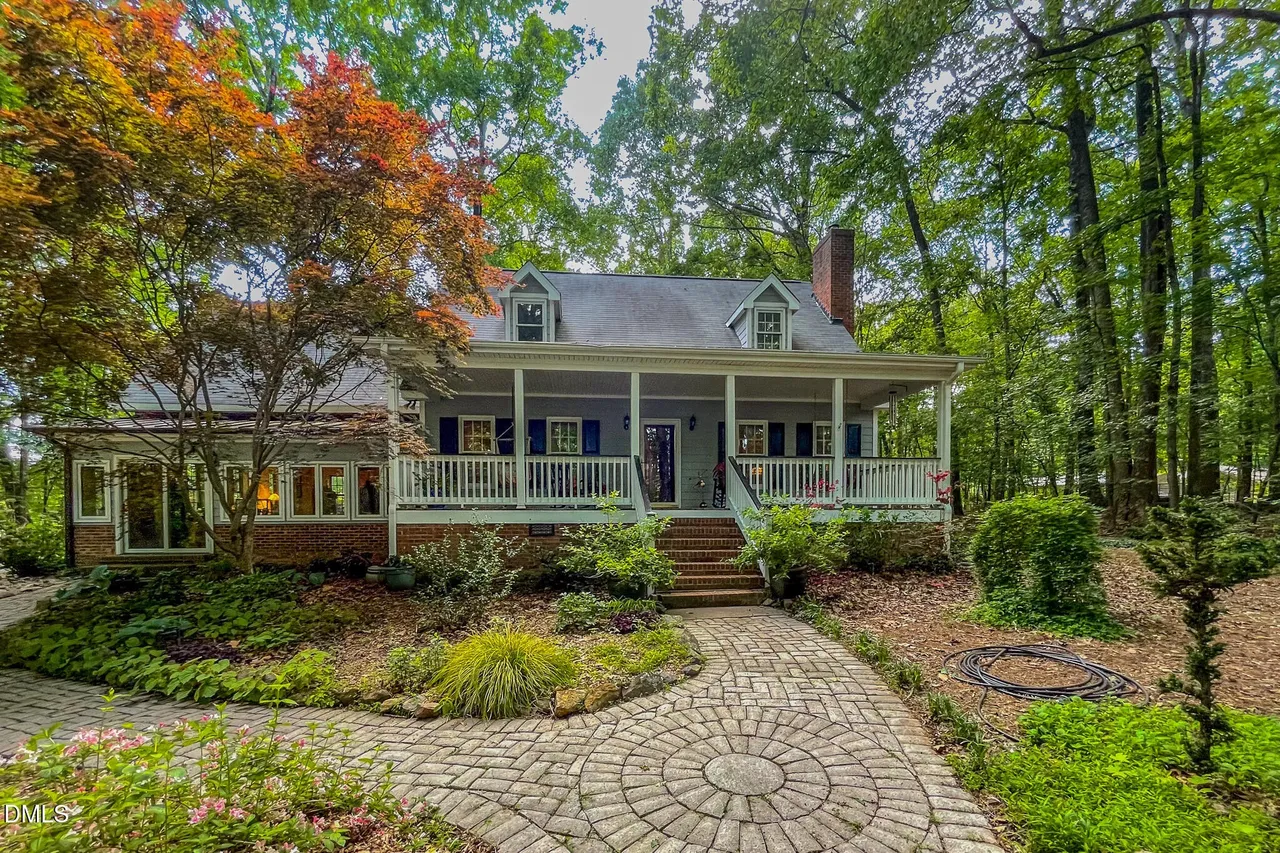
The exterior of any property, whether a sprawling commercial complex or a private residence, serves as the initial handshake with the world. Before a customer steps into a store or a guest enters a home, they traverse the parking lot or driveway. This surface does more than provide a place to park; it communicates the level of care, maintenance, and professionalism associated with the property owner. Despite its importance, pavement is often treated as an afterthought, until a pothole causes a flat tire or a cracked walkway creates a tripping hazard.
Recognizing the critical role of infrastructure is the first step toward better property management. Investing in high-quality Paving Services is not merely an aesthetic choice; it is a strategic financial decision that impacts liability, property longevity, and market value. From the initial excavation to the final seal coat, the science of paving requires a blend of engineering precision and skilled craftsmanship to withstand the rigors of weather and traffic.
The Engineering Beneath the Blacktop
A common misconception among property owners is that paving is simply rolling out a layer of asphalt or pouring concrete over dirt. However, the longevity of any paved surface is determined almost entirely by what lies beneath. Professional paving begins with the sub-grade. The native soil must be evaluated for stability and drainage capabilities. In regions with significant seasonal temperature shifts, such as the Northeast, moisture trapped in the soil can freeze and expand, heaving the pavement above it.
To combat this, professional contractors install a robust aggregate base. This layer of crushed stone acts as the structural spine of the driveway or parking lot. It facilitates drainage, preventing water from pooling under the surface, and distributes the weight of heavy vehicles. If this base is insufficient or improperly compacted, the surface layer, no matter how thick, will eventually succumb to rutting, cracking, and structural failure. True craftsmanship in paving is invisible to the naked eye because it is buried underground, ensuring the surface remains smooth for decades.
Commercial Implications: Liability and First Impressions
For business owners and facility managers, the stakes of pavement maintenance are high. A parking lot is a commercial property’s most significant liability zone. Potholes, uneven transition ramps, and fading line striping are not just eyesores; they are potential lawsuits. Slip-and-fall accidents or vehicle damage caused by poor lot conditions can result in costly litigation and increased insurance premiums.
Beyond safety, the condition of a parking lot directly influences consumer behavior. A freshly paved, jet-black surface with crisp, bright striping signals to customers that a business is thriving and attentive to detail. Conversely, a gray, crumbling lot filled with weeds suggests neglect. Professional paving solutions for commercial spaces often involve complex logistics, such as phased paving schedules to ensure the business remains open during construction. Experienced contractors understand how to manage traffic flow and minimize disruption while delivering a heavy-duty surface capable of withstanding delivery trucks and constant turnover.
Residential Value: The ROI of Curb Appeal
For homeowners, the driveway is often the largest architectural element of the front yard, covering a significant percentage of the visual field. Real estate experts frequently cite “curb appeal” as a primary driver of property value, and a cracked or oil-stained driveway can significantly detract from a home’s appraisal.
Replacing an aging driveway is one of the few home improvement projects that offers nearly immediate gratification and a high return on investment. It unifies the landscape, provides a clean transition from the street to the garage, and enhances the overall character of the home. Whether one chooses the classic, seamless look of asphalt or the decorative appeal of masonry borders, a professional installation ensures the edges are clean, the drainage pitches water away from the house foundation, and the surface texture provides adequate traction in wet weather.
Material Selection: Asphalt Versus Concrete
When planning a paving project, the choice of material is paramount and depends largely on budget, climate, and usage. Asphalt, often referred to as blacktop, is the most popular choice for driveways and large lots due to its cost-effectiveness and flexibility. Asphalt is a semi-flexible pavement, meaning it can slight shifts in the ground without cracking immediately. This makes it particularly well-suited for colder climates where the ground freezes and thaws. Furthermore, asphalt is easier to repair; if a crack develops, it can be filled and sealed, blending relatively well with the existing surface.
Concrete, while more expensive upfront, offers a rigid, long-lasting solution that handles high static loads exceptionally well. It is often preferred for dumpster pads, loading docks, or decorative residential aprons. Concrete offers a different aesthetic, typically providing a brighter, cleaner look that reflects light, which can be beneficial for nighttime visibility. However, unlike asphalt, concrete is prone to cracking if the ground shifts significantly, and repairs are often more visible and costly. A professional paving consultation typically involves assessing the specific soil conditions and traffic loads to recommend the right material for the specific application.
The Crucial Role of Drainage
One of the most complex aspects of paving is water management. A perfectly smooth driveway is useless if it directs rainwater into the garage or creates a stagnant pond in the middle of a parking lot. Professional pavers use precise grading techniques, often utilizing laser levels, to ensure a slope of at least 1% to 2% is achieved.
In larger commercial applications, this involves the installation of catch basins, channel drains, and curbing to direct stormwater into the municipal sewer system or retention ponds. Ignoring drainage is the fastest way to destroy pavement. Water is the enemy of asphalt; if it is allowed to sit on the surface, it eventually permeates the binder, causing the aggregate to loosen (raveling) and leading to potholes. If it penetrates to the sub-base, it softens the foundation, leading to catastrophic failure.
Extending Lifespan Through Maintenance
The relationship with a paving contractor shouldn’t end once the asphalt cools. Pavement is a depreciating asset that requires lifecycle management. Ultraviolet rays from the sun oxidize the asphalt binder, turning the rich black color to gray and making the surface brittle. Once brittle, the surface is prone to cracking.
To mitigate this, regular seal coating is essential. Seal coating applies a protective layer over the asphalt, shielding it from UV rays, oil spills, and water penetration. It acts as a sunscreen for the pavement, restoring the deep black color and flexibility. Additionally, crack filling should be performed annually. By sealing cracks while they are small, property owners prevent water from reaching the sub-base. This preventative maintenance approach can double the lifespan of a parking lot or driveway, saving thousands of dollars in premature replacement costs.
Choosing the Right Contractor
Selecting the right partner for a paving project is as important as the materials used. The paving industry, unfortunately, attracts “fly-by-night” operators who offer low prices by cutting corners, usually by reducing the thickness of the asphalt or skipping the sub-base preparation. A reputable contractor will always provide a detailed written estimate specifying the compacted thickness of the material (not just the loose thickness), the type of equipment to be used, and the warranty provided.
Property owners should look for contractors with a physical local presence, verifying their insurance coverage for liability and workers’ compensation. Local experience is vital because soil conditions vary drastically from town to town; a contractor familiar with the local terrain will know exactly how much excavation is required to reach a stable base.
Paving is a blend of heavy industry and fine art. It requires heavy machinery to move tons of earth and stone, yet it demands the finesse to grade a surface so that water flows exactly where it should. Whether revitalizing a commercial retail center or paving a new residential driveway, the quality of the work dictates the longevity of the investment.
By prioritizing professional Paving Services, property owners ensure that their infrastructure is safe, compliant, and visually impressive. In a world where first impressions are everything, a smooth, well-maintained surface is the foundation of a welcoming property.