Skin issues can be frustrating, especially when they seem to flare up without any clear reason. For many people, breakouts, pigmentation, and sudden sensitivity are linked to hormonal changes. These changes can come from puberty, periods, pregnancy, stress, or even lifestyle habits. Understanding how hormones affect your skin is the first step toward finding the right solution. That’s where hormonal skin treatment comes in—an approach designed to target the root cause, not just the surface problem.
Hormonal changes can trigger a wide range of skin concerns, and this is where hormonal skin treatment naturally becomes an effective option. When hormone levels fluctuate, your body can produce too much oil, cause inflammation, or disrupt your skin barrier. This may lead to acne, dullness, dryness, or sudden breakouts that feel impossible to control. Because hormones play such a big part in skin health, finding a treatment that stabilizes these changes can bring long-term improvement.
Why Hormones Affect Your Skin
Your skin is very sensitive to hormones like estrogen, progesterone, and testosterone. Any imbalance can immediately show up on your face or body. For example:
- High testosterone can increase oil production, leading to acne.
- Low estrogen can make the skin dry, thin, and more prone to wrinkles.
- High cortisol (stress hormone) can trigger inflammation and breakouts.
This is why some people experience skin issues around their period, during pregnancy, before menopause, or during stressful times. Hormones are constantly shifting, and so does your skin.
Common Skin Issues Caused by Hormones
Hormonal imbalances can show up in different ways:
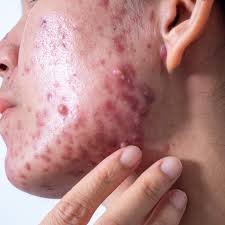
- Persistent acne or cystic acne
- Sudden, recurring breakouts
- Oily T-zone and dry cheeks
- Dark patches or pigmentation (melasma)
- Skin sensitivity or redness
- Premature aging signs like fine lines
If you’re dealing with any of these, it might be time to consider treatments tailored specifically to hormonal changes.
Types of Hormonal Skin Treatments
The right treatment depends on your specific skin needs and what your hormones are doing. Some of the most effective options include:
1. Topical Treatments
Dermatologists often prescribe topical creams or gels containing ingredients like:
- Retinoids
- Salicylic acid
- Benzoyl peroxide
- Azelaic acid
These help reduce inflammation, unclog pores, and regulate skin cell turnover.
2. Oral Medications
For severe hormonal acne or persistent breakouts, oral treatments may be recommended such as:
- Birth control pills
- Spironolactone
- Antibiotics (short-term)
- Isotretinoin (for severe acne cases)
These medicines help balance hormones internally or reduce oil production.
3. Professional Skin Treatments
Dermatologists may also suggest in-clinic procedures for faster and more noticeable results:
- Chemical peels
- LED light therapy
- Microneedling
- Laser treatments
These treatments help remove dead skin, reduce pigmentation, and stimulate collagen.
4. Diet and Lifestyle Adjustments
Because hormones respond to your habits, lifestyle changes can play a big role:
- Eating a balanced, low-sugar diet
- Managing stress through yoga or meditation
- Getting enough sleep
- Keeping skin-care products gentle and non-comedogenic
These small changes can support your hormonal balance and improve your skin from within.
How to Know If You Need Hormonal Skin Treatment
If your breakouts or skin issues seem to come in cycles, worsen during stress, or don’t respond to regular skincare, hormones are likely involved. People who experience deep, painful pimples around the jawline often have hormonally driven acne. Women going through PCOS, pregnancy, or menopause are also more likely to benefit from these treatments.
A dermatologist can evaluate your symptoms and suggest a treatment plan that fits your skin type and hormonal levels.
Benefits of Hormonal Skin Treatment
Choosing a treatment designed for hormonal issues offers several advantages:
- Long-term relief instead of temporary results
- Clearer, smoother skin
- Balanced oil production
- Reduced inflammation and redness
- Improvement in pigmentation
- Stronger and healthier skin barrier
Most importantly, these treatments focus on correcting the root cause, which leads to more stable and lasting results.
Final Thoughts
Hormonal skin problems can feel overwhelming, but you don’t have to deal with them alone. With the right hormonal skin treatment, you can restore balance to your skin and achieve long-lasting clarity. Whether your symptoms are mild or severe, working with a dermatologist can help you choose the best path toward healthier, glowing skin. Clear skin is possible when you treat the cause—not just the symptoms.