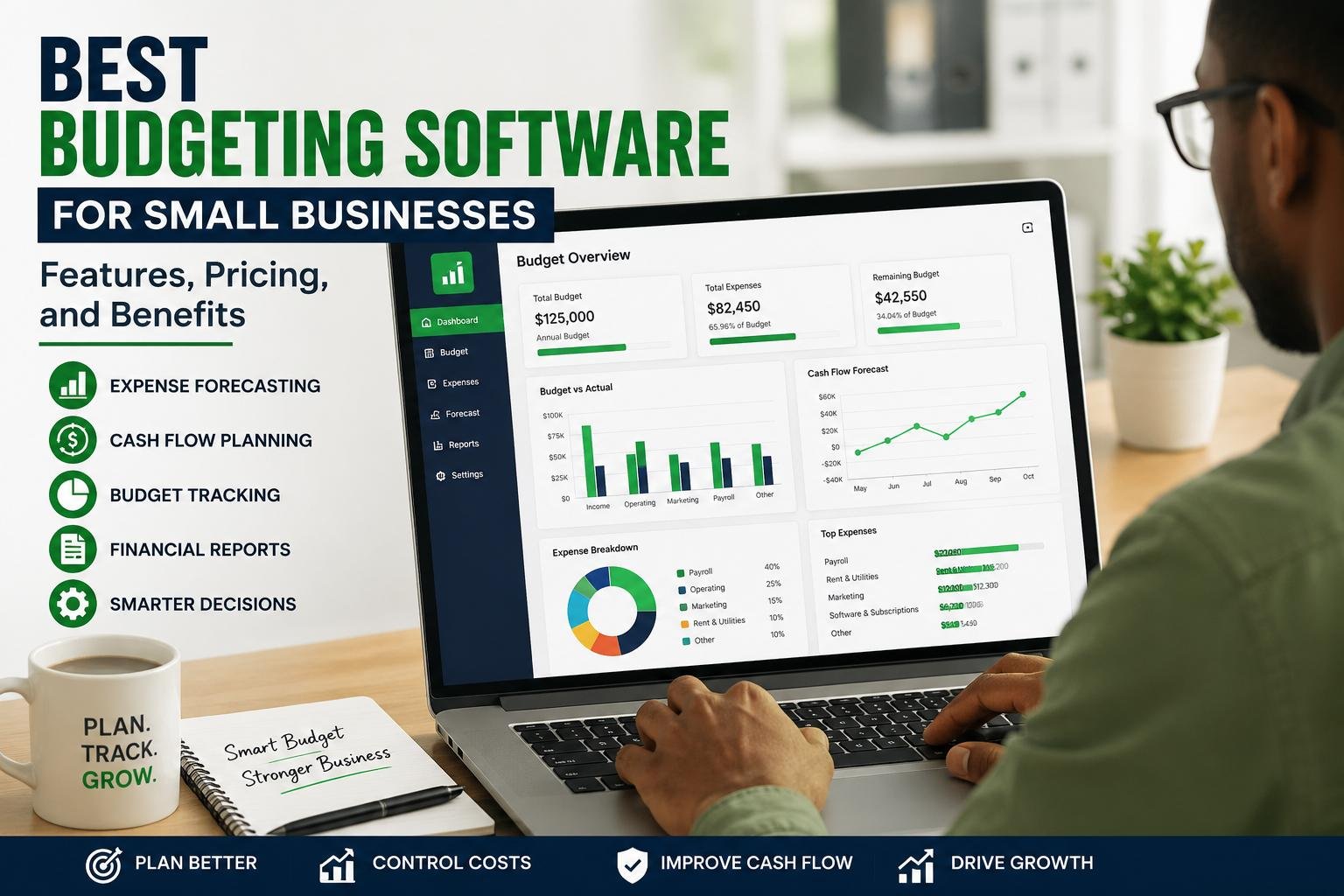
Most project teams don’t struggle because they lack budgeting knowledge—they struggle because traditional budgeting practices can’t keep up with today’s delivery realities. Projects shift weekly, resource availability changes overnight, scopes evolve, contract models vary, and financial visibility gets scattered across tools.
Modern project budgeting has moved beyond estimating costs. It now sits at the intersection of delivery, resources, financial operations, and strategic planning. The organizations that consistently deliver profitable projects are the ones that treat budgeting as a living system rather than a one-time spreadsheet exercise.
Why Traditional Project Budgeting Fails in Practice
Even experienced PMOs encounter the same friction points repeatedly:
1. Static budgets for dynamic projects
A budget built in week 1 is rarely accurate by week 8. Delivery delays, shifts in effort, rework, and change requests require dynamic recalibration. Yet most teams rely on static files.
2. Resource assumptions that don’t match reality
Budgeting usually assumes full availability, optimal billing mix, or planned seniority levels—but execution rarely follows that plan.
A senior-heavy team vs a junior-balanced team can swing margins drastically.
3. Financial data lives in too many places
Project plans sit in Gantt tools. Actuals sit in timesheets. Spend lives in finance systems. Risks live in documents. Forecasting becomes guesswork because no single system has the full story.
4. Change management isn’t tied to financial impact
Scope changes are approved operationally but not translated into revised budgets, updated forecasts, or revised billing expectations.
5. Approvals don’t follow financial timelines
Delayed milestone approvals, inconsistent timesheets, and missed documentation push revenue out by weeks—impacting cash flow, margins, and predictability.
These gaps don’t show up on day one—but they accumulate silently, leading to overruns, delayed billing, shrinking margins, and reduced predictability.
What High-Performing Project Organizations Do Differently
Organizations that consistently deliver profitable projects focus less on creating budgets and more on creating budgeting systems. Here’s how they operate:
1. Link effort, schedules, and cost in real time
They don’t allow tasks, resources, or milestone shifts to live in isolation.
If a task moves, effort changes; if effort changes, cost changes; if cost changes, forecasts update automatically.
2. Treat resource planning as the core of budgeting
Resource capacity, roll-offs, underutilization, and skill mismatches directly impact financials. Top teams integrate capacity planning into budget creation instead of treating it as a separate downstream exercise.
3. Use rolling forecasts instead of static ones
Instead of asking “What was the budget at the start?”, they ask:
“What is the current forecast, and what does the next 4–6 weeks look like?”
4. Tie risks and dependencies directly to cost impact
A delayed dependency isn’t just a schedule risk—it’s a cost risk.
High-performing PMOs quantify the financial impact of delays, quality issues, compliance steps, supplier dependencies, or rework.
5. Prioritize accuracy of actuals
Inaccurate or delayed timesheets are the #1 reason for budgeting discrepancies.
The best teams enforce timesheet discipline not for compliance, but for better predictability.
6. Connect budget decisions to contract models
Fixed bid, T&M, unit-based, or outcome-based projects each demand different budgeting philosophies. Mature teams adjust effort buffers, pricing assumptions, and change-control methods based on the model.
Modern Techniques Elevating Project Budgeting
Today’s leading organizations are embracing methods that make budgeting far more reliable and predictive:
- Driver-based budgeting (tying costs to real operational drivers)
- Scenario modelling (best case, likely case, worst case)
- Run-rate forecasting (predicting burn based on current execution velocity)
- Variance intelligence (tracking why deviations occur, not just that they occurred)
- Automated recalculations when resources, tasks, or schedules shift
- Predictive estimations based on historical patterns and skill-specific effort data
These approaches move budgeting from reactive correction to proactive prevention.
Conclusion
Project budgeting today isn’t about estimating numbers—it’s about building a predictive financial ecosystem where delivery, resources, and financials stay in lockstep. Teams that embrace dynamic forecasts, automated recalculations, real-time insights, and resource-centric planning are the ones that consistently protect margins and deliver high-quality work without surprises.
To enable this level of predictability, Kytes offers an AI-enabled PSA + PPM platform that unifies delivery, financials, resource planning, and forecasting into one intelligently simple system. It brings every project signal—effort, cost, risk, timelines, and approvals—into a single source of truth, eliminating the gaps that cause overruns. With automated recalculations, predictive insights, and real-time visibility, Kytes helps teams stay ahead of deviations instead of reacting to them.