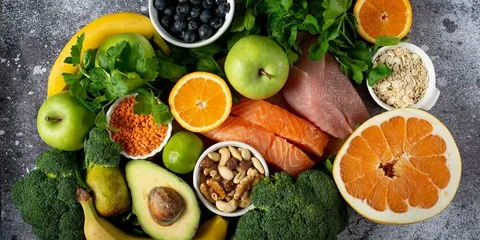
Protein has become one of the most talked-about nutrients in modern nutrition — and for good reason. As people shift toward healthier lifestyles, the value of consuming adequate protein is finally receiving the attention it deserves. A protein-focused diet does far more than just support athletes; it contributes to stronger muscles, better metabolism, improved satiety, stable blood sugar levels, and healthier aging.
In this comprehensive guide, we’ll break down what protein actually is, why your body depends on it, the best sources to include in your meals, and practical ways to build a well-balanced, protein-rich eating routine.
What Exactly Is Protein?
Protein is one of the three essential macronutrients your body needs for survival — the other two being carbohydrates and fats. It is made up of amino acids, often called the building blocks of life. Your muscles, organs, skin, hair, nails, enzymes, and hormones all rely on amino acids to function properly.
Out of 20 amino acids, nine are “essential,” meaning your body cannot produce them on its own. This makes it crucial to eat a diet that supplies these building blocks daily.
Major Health Benefits of a Protein-Rich Diet
1. Builds and Repairs Muscles
Protein’s most famous job is repairing and building muscle tissue. Whether you lift weights, run, or simply stay active, your muscles undergo tiny tears. Protein helps heal these tears, making muscles stronger over time.
This is why athletes, gym-goers, and even older adults are encouraged to increase protein intake. Without enough protein, the body cannot recover effectively, leading to fatigue and muscle loss.
2. Enhances Satiety and Supports Weight Management
Protein keeps you full for longer. It digests more slowly than carbs or fats, which helps reduce cravings and unnecessary snacking.
Research shows that increasing protein intake can:
- Reduce hunger hormones like ghrelin
- Increase satiety hormones such as peptide YY and GLP-1
- Reduce late-night cravings
- Support healthy, sustainable weight loss
This makes protein one of the most effective nutrients for managing appetite and achieving fat-loss goals.
3. Boosts Metabolism Naturally
Your body burns calories even while digesting food — this is called the Thermic Effect of Food (TEF). Protein has the highest TEF among all macronutrients, meaning it burns the most calories during digestion.
This metabolic boost helps:
- Improve calorie-burning efficiency
- Support fat loss
- Promote healthier metabolic function
For anyone trying to maintain a healthy body weight or increase energy expenditure, protein is an essential nutrient.
4. Strengthens Bones and Reduces the Risk of Osteoporosis
Despite old myths, modern research confirms that a protein-rich diet actually supports bone health. Protein increases calcium absorption and helps maintain bone structure.
A higher protein intake:
- Protects against bone weakness
- Supports bone density
- Helps prevent fractures
- Promotes stability as you age
Combined with calcium and vitamin D, protein becomes a powerful ally for strong bones.
5. Prevents Age-Related Muscle Loss (Sarcopenia)
As we age, muscle mass naturally declines — a condition known as sarcopenia. Adequate protein intake slows this process and helps maintain strength, balance, and physical independence.
Older adults especially benefit from increased protein because their bodies require more to maintain lean tissue.
6. Supports Healthy Blood Sugar Levels
Protein causes minimal spikes in blood sugar, making it ideal for people with diabetes, insulin resistance, or unstable glucose levels.
Adding protein to meals helps:
- Slow the absorption of sugar
- Prevent spikes and crashes
- Improve insulin response
- Maintain steady energy levels
For extra digestive and metabolic support, some people also use apple cider vinegar supplements such as gummies, which are often linked to improved digestion and glucose balance.
Best Sources of High-Quality Protein
A balanced diet includes both animal-based and plant-based protein sources. Here are the most nutritious diet options for each category:
1. Animal-Based Protein Sources
These sources are considered complete proteins, meaning they contain all nine essential amino acids.
Lean Meats
Chicken, turkey, and lean beef or pork offer high-quality protein along with nutrients like iron, zinc, and B vitamins.
Fish and Seafood
Fish such as salmon, sardines, tuna, and mackerel provide protein along with omega-3 fatty acids, which support heart and brain health.
Eggs
Eggs are one of the most affordable and nutrient-dense protein sources. They contain vitamins like choline and vitamin D, essential for brain function and overall health.
Dairy Products
Milk, cheese, and yogurt — especially Greek yogurt — offer protein plus calcium, supporting bone and muscle health.
2. Plant-Based Protein Sources
Vegetarian and vegan diets can still provide plenty of protein with the right choices.
Legumes
Beans, lentils, chickpeas, and peas provide both protein and fiber, making them excellent for digestion and heart health.
Tofu and Tempeh
Both made from soy, these foods are complete plant proteins and rich in iron, magnesium, and calcium.
Quinoa
A rare plant-based complete protein, quinoa contains all essential amino acids, plus fiber and minerals.
Nuts and Seeds
Almonds, chia seeds, flaxseeds, and sunflower seeds offer protein, healthy fats, and antioxidants.
Whole Grains
Brown rice, oats, and barley contribute to daily protein intake and provide long-lasting energy when paired with legumes.
How Much Protein Do You Really Need?
Protein needs vary depending on your lifestyle, age, and goals.
Here’s a general guide:
- Sedentary adults: 0.8–1.0 g per kg of body weight
- Active individuals & muscle building: 1.2–1.7 g per kg
- Older adults: 1.0–1.5 g per kg
For example, a 70 kg person aiming for moderate activity would need around 84–100 grams of protein per day.
Smart Ways to Increase Your Daily Protein Intake
Adding more protein to your diet does not have to be complicated. Try these simple, effective strategies:
1. Start Your Day Right
Include high-protein breakfasts like eggs, Greek yogurt bowls, or smoothies with protein powder to stay full and energized all morning.
2. Add Protein to Every Meal
Whether it’s chicken, tofu, fish, quinoa, or beans — aim to include protein in all major meals.
3. Choose Protein-Rich Snacks
Replace sugary snacks with healthier options such as nuts, seeds, protein bars, or boiled eggs.
4. Prioritize Meal Prep
Cook proteins like chicken breast, lentils, or tofu in advance to make balanced meals easier during busy days.
5. Mix Up Your Protein Sources
Rotate between animal and plant proteins to get a full range of nutrients and amino acids.
Conclusion
A protein-focused diet is one of the smartest and most effective ways to improve your overall health. From building strong muscles and speeding up metabolism to stabilizing blood sugar and supporting bone health, protein plays an essential role in nearly every aspect of the human body.
By incorporating a variety of protein-rich foods — both animal and plant-based — you can create a diet that fuels your body, supports long-term health, and keeps your energy levels steady. With mindful planning and nutritious food choices, a protein-powered lifestyle can become a sustainable part of your everyday routine.
