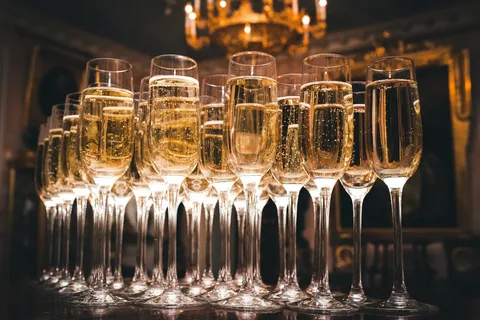
Champagne is synonymous with celebration, luxury, and refinement. This sparkling wine carries centuries of heritage, craftsmanship, and cultural prestige, making it the ultimate celebratory drink for special occasions worldwide. In this expanded guide, we explore what makes champagne so extraordinary—its origins, production process, flavor profiles, serving methods, and why it continues to captivate wine enthusiasts across the globe.
The Origins and History of Champagne
The story of champagne begins in the historic Champagne region of France. Its signature sparkle was originally an accident—caused by cold winters that paused fermentation and restarted it later inside sealed bottles. This unexpected effervescence fascinated early winemakers.
Over time, through innovation and experimentation, they perfected the method we admire today. The region eventually established strict regulations ensuring authenticity, meaning only sparkling wine produced in Champagne using specific methods can be labeled as “champagne.” This strict protection preserves the drink’s heritage, craftsmanship, and global prestige.
What Makes Champagne Truly Unique?
Champagne stands apart from other sparkling wines for several reasons:
1. The Traditional Method (Méthode Champenoise)
This labor-intensive process involves secondary fermentation inside the bottle, creating natural carbonation. Unlike cheaper sparkling wines where CO₂ is injected, this method produces:
- Finer, more persistent bubbles
- Greater complexity
- Richer mouthfeel
It’s this meticulous craftsmanship that elevates champagne above standard sparkling wines and upholds its reputation as a refined celebratory drink.
2. Signature Grape Varieties
Three major grapes define champagne:
- Chardonnay – elegance, freshness, citrus notes
- Pinot Noir – structure, depth, red fruit tones
- Pinot Meunier – roundness, fruity softness
Combined with the region’s unique terroir—its chalky soil, cool climate, and traditional vineyard practices—these grapes create flavors impossible to replicate elsewhere.
The Champagne Production Process (Step-by-Step)
Producing champagne is a masterful art requiring precision and patience. Here’s how it unfolds:
Harvesting
Grapes are handpicked early to maintain high acidity and ensure crispness in the final wine.
Pressing
Gentle pressing extracts pure juice without harsh tannins.
Primary Fermentation
Base wine is fermented, usually in stainless steel tanks, though some houses use oak barrels for added complexity.
Blending
Different wines from various vineyards and vintages are blended to achieve a consistent “house style.”
Secondary Fermentation
A mixture of yeast and sugar is added before bottling, triggering fermentation inside the sealed bottle.
Aging on Lees
Bottles rest for months or years, allowing yeast particles to enhance richness, texture, and flavor.
Riddling and Disgorging
Bottles are gradually turned to collect sediment in the neck, which is then frozen and removed.
Dosage
Before corking, a mixture of wine and sugar determines the champagne’s sweetness level.
This rigorous craftsmanship explains why champagne represents luxury, celebration, and unmatched quality.
Different Styles of Champagne
Champagne comes in many styles, each offering a unique experience:
- Brut Nature / Zero Dosage – extremely dry, no added sugar
- Extra Brut – very dry
- Brut – the most popular, crisp, and balanced
- Extra Dry – slightly sweeter than Brut
- Sec, Demi-Sec, Doux – increasingly sweet; great with desserts
These styles ensure there is a champagne for every preference and occasion.
How to Serve Champagne Properly
Serving method dramatically impacts the overall experience. Follow these tips for perfection:
1. Chill Correctly
Serve between 7°C and 10°C for ideal flavor and bubbles.
2. Choose the Right Glass
- Flute – best for bubbles
- Tulip glass – best for aroma and depth
3. Pour with Care
Tilt the glass and pour slowly to prevent excessive foam and maintain carbonation.
4. Pair with Food
Champagne complements:
- Seafood
- Soft cheeses
- Poultry
- Sushi
- Even fried dishes
Its acidity and bubbles make it incredibly versatile.
Popular Champagne Brands and Their Characteristics
Some globally celebrated champagne houses include:
- Moët & Chandon – fresh, fruity, iconic
- Veuve Clicquot – bold flavors and rich history
- Dom Pérignon – luxury vintage champagne, known for depth and complexity
- Taittinger – elegant, Chardonnay-forward
- Bollinger – full-bodied with strong aging potential
Each brand offers a unique style reflecting its philosophy and winemaking traditions.
Tips for Buying the Right Champagne
When selecting champagne, consider:
Know Your Taste
Choose a sweetness level that matches your preference.
Vintage vs Non-Vintage
- Non-vintage (NV) – blended from multiple years, consistent and affordable
- Vintage – made from a single exceptional year—rarer and more complex
Buy from Trusted Sources
Authenticity matters, especially for premium bottles.
Consider the Occasion
A light Brut suits casual moments, while a vintage champagne elevates formal celebrations.
Champagne in Modern Culture
Champagne has grown into a global symbol of festivity, elegance, and accomplishment. From award shows and weddings to sports victories and New Year’s Eve celebrations, it remains a universal gesture of joy and prestige.
Pop culture, music videos, fashion, and luxury branding frequently showcase champagne as a representation of indulgence, status, and celebration.
Storing Champagne the Right Way
Proper storage ensures your bottle stays fresh and flavorful:
- Store horizontally to keep the cork moist
- Keep in a cool, dark place
- Avoid temperature fluctuations
- Protect from vibrations and strong odors
Non-vintage champagnes are best enjoyed within a few years, while vintage bottles can age gracefully over time.
Conclusion
Champagne is far more than sparkling wine—it’s a masterpiece of tradition, craftsmanship, and cultural significance. With its unique production method, diverse styles, and timeless elegance, champagne enhances everything from intimate moments to grand celebrations.
Whether you’re toasting an achievement, marking a milestone, or simply enjoying a quiet evening, a glass of champagne brings a sense of joy and sophistication like no other. Understanding its nuances allows you to appreciate every sip of this iconic beverage to the fullest.