Table of Contents
- Medication-Assisted Treatment (MAT)
- Telehealth Services
- Harm Reduction Strategies
- Peer Support Programs
- Holistic Therapies
- Technology-Based Interventions
- Policy and Community Initiatives
- Conclusion
Drug addiction continues to pose a significant public health challenge globally, driving the need for creative and effective treatment solutions. As research into addiction grows and communities respond to the uniqueness of this epidemic, new methods are being adopted to help those struggling with substance use disorders. In major cities, localized initiatives such as drug treatment Philadelphia make evidence-based care and support more accessible. Embracing innovation, these strategies aim not only to treat addiction but also to connect individuals with lasting recovery resources.
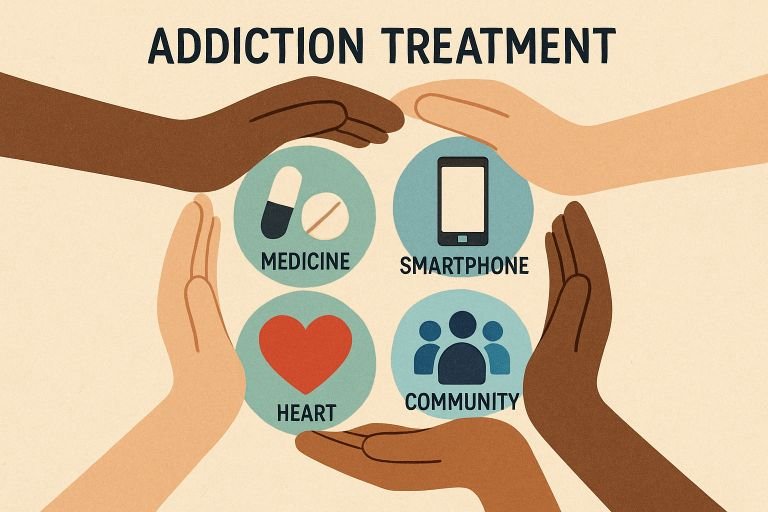
Integrating medical, technological, and community-centered approaches, today’s treatment landscape is more diverse and flexible than ever. Gone are the days when a one-size-fits-all approach dominated. Now, patients can benefit from therapies that account for physical health, mental wellness, and even spiritual growth, enhancing their chances of sustainable recovery.
Medication-Assisted Treatment (MAT)
Medication-Assisted Treatment, or MAT, is a cornerstone of modern addiction treatment. It involves the use of FDA-approved medications, such as buprenorphine, methadone, or naltrexone, administered in combination with counseling and behavioral therapies. MAT helps stabilize brain chemistry, relieve withdrawal symptoms, and blunt cravings, making it far easier for individuals to focus on recovery. Research from large healthcare groups demonstrates that MAT is linked to higher retention rates in treatment programs, fewer relapses, and reduced risk of fatal overdose.
Telehealth Services
The rise of telehealth has been transformative for addiction care, especially during and after the COVID-19 pandemic. Virtual appointments allow patients to access therapy, medical consults, and prescription services from the safety and privacy of home. Telehealth breaks down geographical and logistical barriers, enabling patients in rural or underserved regions to continue ongoing care.
Online therapy options and remote medication management have proven effective in bridging treatment gaps. This flexibility leads to higher engagement, better follow-up, and a smoother recovery journey as individuals can schedule sessions around their family or work responsibilities.
Harm Reduction Strategies
Harm reduction represents a pragmatic and humane set of policies aiming to reduce the adverse health, social, and legal impacts of substance use. Strategies include distributing sterile syringes, providing naloxone to reverse overdoses, and establishing supervised consumption facilities where the risk of infection and overdose is minimized. These approaches prioritize keeping people alive and healthy, engaging them meaningfully with healthcare, and respecting their dignity. Over time, harm reduction methods have been linked to lower rates of infectious diseases and have proven a gateway to further treatment for many participants.
Peer Support Programs
Peer support programs employ individuals in long-term recovery to guide and mentor those who are still struggling. Peers share their lived experiences to provide unique insights, encouragement, and accountability that formal healthcare providers—or family members—often cannot. Programs such as 12-step groups, SMART Recovery, and certified peer mentorship initiatives have a profound effect, alleviating isolation and fostering hope. Peer connections are critical for sustained recovery, reducing both relapse rates and the stigma associated with addiction.
Holistic Therapies
Many recovery programs are now integrating holistic therapies—such as mindfulness, meditation, yoga, art therapy, and acupuncture—alongside traditional treatment. These methods address the psychological, physical, and spiritual harm caused by addiction, encouraging self-compassion and stress management.
Holistic approaches can reduce anxiety, improve emotional regulation, and help people develop a renewed sense of purpose, supporting a longer and more meaningful recovery journey.
Technology-Based Interventions
With the growth of mobile technology, digital innovations have become an integral part of modern addiction care. Smartphone apps and secure online platforms can track recovery progress, send motivational reminders, help manage triggers, and create instant access to support communities.
These tools bridge gaps between sessions and are particularly helpful during vulnerable moments, allowing users to connect with resources, coaches, or peers anytime they need support or encouragement.
Policy and Community Initiatives
Addressing the addiction crisis requires more than just direct medical care. Changes in policy and community-focused initiatives play a vital role. Progressive cities worldwide are establishing safe consumption spaces for individuals who use drugs.
These programs offer immediate health support while also promoting social reintegration, including access to housing, employment, and mental health services, which are key components of long-term recovery. Enduring policy reforms create the groundwork for more comprehensive and inclusive approaches.
Conclusion
The landscape of drug addiction treatment is rapidly evolving, fueled by innovation at the intersection of medicine, technology, and community care. By integrating diverse approaches—from medication and telehealth to peer mentorship and harm reduction—individuals are more likely to find the support that resonates with their unique experiences and needs. As new best practices continue to emerge, the hope for lasting recovery becomes more attainable for people from all walks of life.