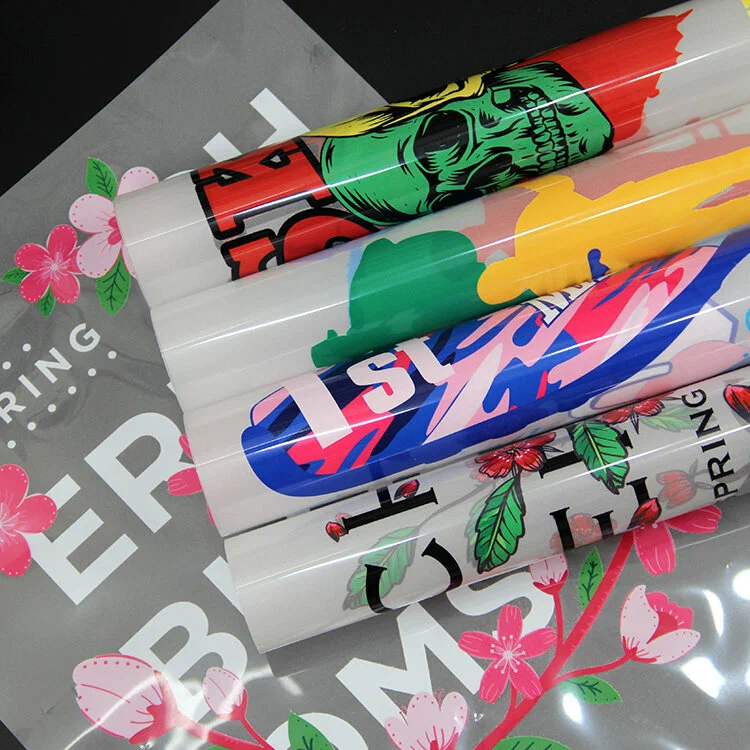
Print design isn’t dead. Not even close. Yeah, we’re all glued to our screens, but there’s still something about holding a nice brochure or getting actual mail that isn’t a bill. Print and digital don’t have to fight each other. They work better as a team. Smart businesses figured this out already. Physical stuff breaks through all that online noise in a way emails just can’t. It’s not about choosing one or the other anymore. It’s about understanding how they fit together to create something people actually care about
Adapting Print for Digital
The gap between print and digital keeps shrinking. QR codes went from gimmick to standard feature. Your catalog can link straight to product videos now. Business cards connect to LinkedIn with one tap. Point your phone at a poster and watch it come alive with augmented reality.
Designers have to think differently. What looks amazing on screen might print horribly. Colors need to be converted between RGB and CMYK, and sometimes images need to be optimized with an image resizer so they print at the correct quality without distortion. Font choices matter because some look great everywhere while others fall flat in print.
The trick? Plan for both from day one. Make layouts that work as PDFs and printed pieces. Build templates flexible enough for Instagram posts and magazine spreads. This saves headaches later and keeps everything looking consistent.
Personalized Print Materials
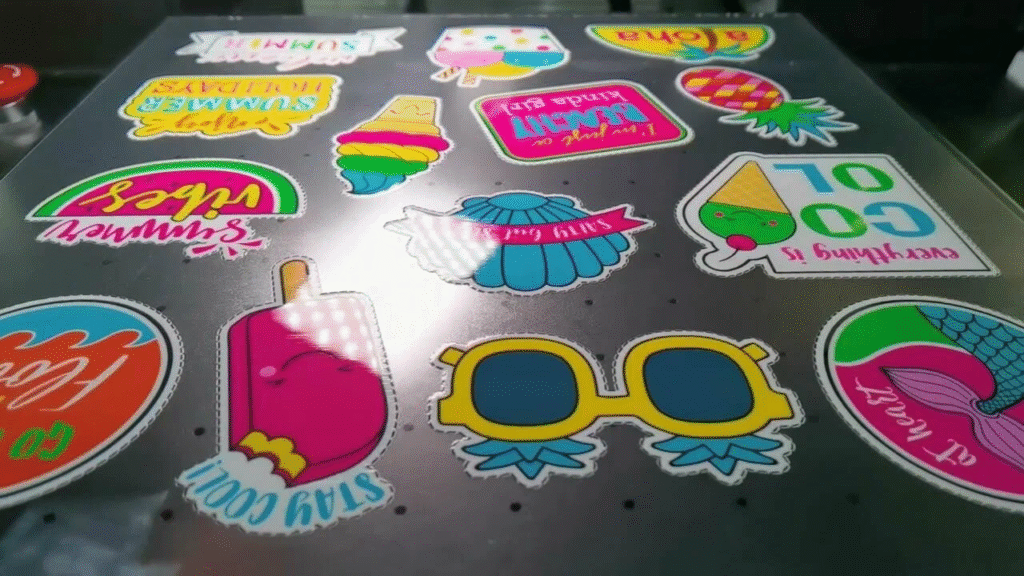
Nobody wants generic marketing anymore. People want things made for them, and print delivers that personal touch better than any email blast. Variable data printing means you can customize thousands of pieces individually, with different names, photos, and messages for everyone.
This is where things get cool. DTF gang sheets by Mad Monkey Transfers changed everything for custom apparel. This direct-to-film tech prints vibrant designs on basically any fabric without the old headaches. Small shops can now do personalized t-shirts and tote bags without ordering hundreds at once.
Think about it. A coffee shop makes loyalty cards showing each customer’s go-to drink. Real estate agents send calendars with neighborhood photos. Charities design thank-you notes mentioning your exact donation. This kind of personalization builds real connections.
The tech keeps getting better, too. Digital presses handle small runs cheaply. Online tools let customers design their own stuff. What was needed was factory equipment, but now works in a home office.
Merging Tradition & Tech
There’s something beautiful about mixing old-school craft with modern tools. Letterpress printing with digital designs. Laser-cut details on hand-bound books. Metallic foils are placed perfectly using computer guidance.
This combo respects history while grabbing what’s new. Printers aren’t dumping techniques people spent centuries perfecting. They’re making them better. Hand-drawn art gets polished in Photoshop. Classic typography meets variable fonts. Screen printing pairs with digital color matching.
The payoff? Work that feels genuine but meets today’s standards. Wedding invitations with vintage vibes and sharp modern text. Packaging that honors tradition while staying eco-friendly. Reports mixing fine paper with killer data charts.
Young designers are getting into this stuff. They’re visiting print shops, feeling paper weights, and learning how ink actually works. It makes their digital work stronger because they understand texture and physical limits.
Print’s Role in a Digital Market
Here’s the wild part: print often beats digital where it counts. More people open direct mail than emails. Printed catalogs push online sales. Physical business cards stick around while digital ones get lost.
Why? Touch creates memory. Research proves people remember printed stuff better. There’s no skip button or swipe-away option. When someone holds your brochure, you’ve got their attention.
Smart marketers use print strategically. Launch campaigns kick off with striking mailers. Event invites arrive on thick cardstock. Limited packaging becomes collectible. These aren’t random moves; they’re smart bets on standing out.
Costs dropped, too. Print-on-demand kills storage needs. Digital printing allows tiny batches. Online services battle on price and speed. Even small businesses can afford pro-quality print now.
Sustainable Print Practices
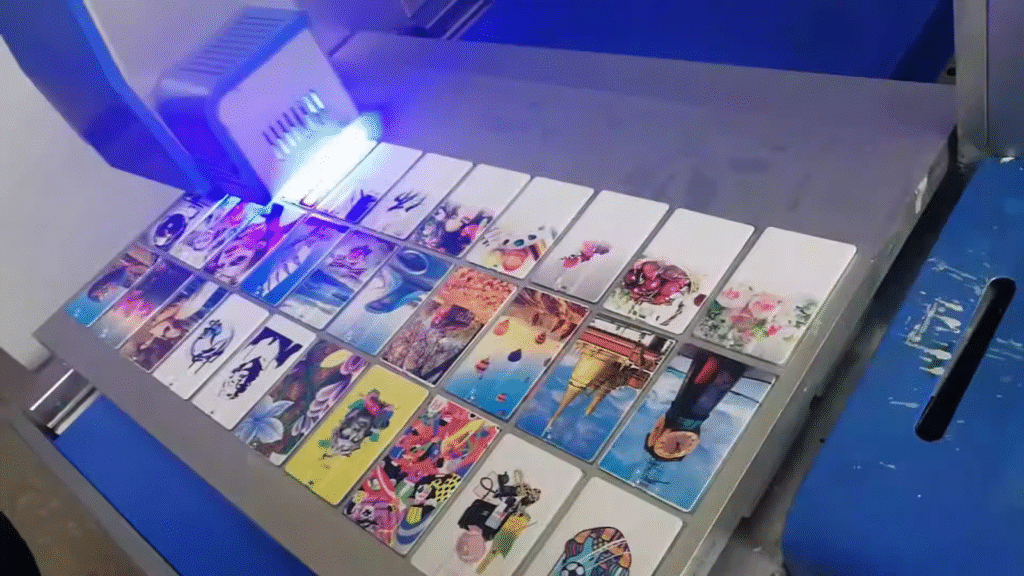
Environmental worry is reshaping everything, and that’s good. Green printing isn’t just nice—it’s becoming normal. Recycled paper matches regular quality now. Plant-based inks replace petroleum-based stuff. Waterless printing cuts chemical use way down.
Designers make better calls now. Smaller runs prevent waste. Digital proofing skips test prints. Tight layouts save paper. Carbon-neutral shipping covers the delivery impact.
Certifications count. FSC paper proves responsible forestry. Carbon-balanced printing wins eco-minded clients. Cradle-to-grave thinking looks at the full product life.
Best part? Sustainable doesn’t mean ugly. Beautiful work comes from grass papers, hemp stock, and cotton blends. Clean designs use less ink while looking sharp. Quality beats quantity every time.
Conclusion
Print has a bright future, exactly because digital runs everything now. The two work together instead of fighting, each making the other stronger. New personalization tech, classic techniques, and green practices are pushing print forward. Companies that nail this balance—making real things that hook into digital worlds—grab attention in ways screens alone can’t. The future belongs to designers who get print’s special power while riding digital’s wave.