Introduction
Advancements in material science have created a growing need for precise, reliable, and space-efficient analytical tools. Desktop xrd instruments have emerged as a popular solution, combining the capabilities of traditional X-ray diffraction systems with compact design suitable for modern laboratories. This article explores the features, benefits, applications, and future potential of desktop xrd systems, highlighting their significance in research, industry, and education.
Understanding X-Ray Diffraction
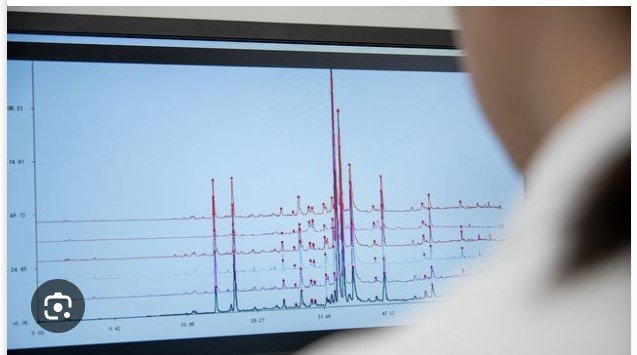
X-ray diffraction is a powerful technique used to study the crystallographic structure of materials. When X-rays interact with a crystalline sample, they scatter to produce a diffraction pattern. By analyzing these patterns, researchers can determine material composition, phase identification, lattice parameters, and structural properties. Desktop xrd systems utilize this principle but in a more compact, user-friendly form that fits smaller laboratory spaces without compromising accuracy.
Advantages of Desktop XRD
One of the most significant advantages of desktop xrd instruments is their compact footprint. Unlike conventional XRD systems, they can be easily accommodated on standard lab benches, making them ideal for laboratories with limited space. These systems are also energy-efficient, require minimal maintenance, and offer rapid setup, allowing researchers to begin analysis quickly. User-friendly software interfaces further simplify the operation, enabling researchers and students to perform complex analyses efficiently.
Precision and Performance
Desktop xrd systems deliver high-resolution data comparable to larger, traditional instruments. Modern detectors, stable X-ray sources, and precise goniometer mechanisms ensure accurate and reproducible results. Whether used for phase identification, quantitative analysis, or structural characterization, desktop xrd instruments provide reliable performance for a wide range of materials, including metals, ceramics, polymers, and pharmaceuticals.
Applications in Research
Desktop xrd instruments are highly versatile and find applications across multiple scientific disciplines. In materials science, they help analyze metal alloys, composite materials, and nanomaterials. In geology, they are used for mineral identification and analysis of rock samples. Pharmaceutical research relies on desktop xrd for monitoring polymorphs, crystallinity, and quality control of active pharmaceutical ingredients. The convenience of a compact system allows researchers to integrate XRD analysis seamlessly into their workflows.
Industrial Applications
In industrial environments, desktop xrd instruments play a critical role in quality control and material verification. Manufacturers use them to analyze raw materials, production batches, and finished products, ensuring compliance with industry standards. Early detection of impurities or structural inconsistencies helps reduce defects, minimize waste, and improve overall product quality. The portability of desktop xrd systems also enables on-site testing in production lines or remote facilities.
Educational Significance
Desktop xrd systems are valuable tools for educational institutions. They provide students with hands-on experience in crystallography and material characterization. These compact instruments are safe, easy to operate, and ideal for classroom experiments, allowing students to visualize diffraction patterns and understand the principles of X-ray diffraction practically. Exposure to desktop xrd instruments prepares students for careers in research and industry by enhancing their technical and analytical skills.
Time Efficiency and Productivity
Desktop xrd systems improve laboratory efficiency by enabling rapid data collection and analysis. Automated sample handling and intuitive software reduce the time needed for measurements while minimizing human error. Researchers can analyze multiple samples quickly, facilitating high-throughput experiments and increasing productivity in both research and industrial settings.
Safety and User-Friendly Features
Operating X-ray equipment requires strict adherence to safety standards. Desktop xrd instruments are designed with shielding, interlocks, and safety protocols to protect users from radiation exposure. This ensures safe operation in laboratories without specialized facilities. Additionally, the software is designed for ease of use, allowing researchers to focus on analysis rather than complex instrument management.
Technological Advancements
Modern desktop xrd systems incorporate several technological advancements. Improved detectors, stable X-ray sources, and enhanced data analysis software have increased accuracy and ease of use. Connectivity features allow integration with laboratory information management systems, facilitating data sharing and remote monitoring. These advancements make desktop xrd a reliable, cutting-edge tool for modern laboratories.
Future Outlook
The demand for compact, portable, and high-precision analytical instruments is expected to grow. Desktop xrd systems are likely to evolve with higher resolution, faster data acquisition, and improved automation. Integration with complementary analytical tools, remote access capabilities, and advanced data analytics will further expand their applications in research, industry, and education.
Conclusion
Desktop xrd instruments have transformed material analysis by offering high-precision capabilities in a compact and accessible format. Their versatility, accuracy, and efficiency make them suitable for laboratories of all sizes, industrial quality control, and educational purposes. As technology advances, desktop xrd systems will continue to play a crucial role in scientific research and material characterization, providing reliable results with convenience and ease of use.