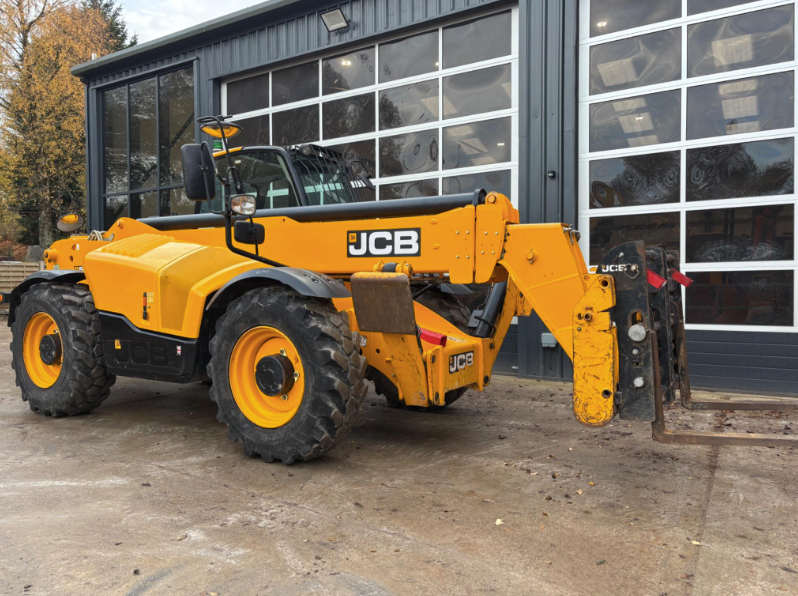
Looking at a telehandler for sale online is easy. Rows of shiny machines, impressive specs, and sales pitches that make everything sound brilliant. But here’s what happens next: you buy one, it arrives on site, and within weeks you’re wondering why it doesn’t quite do what you expected. The brochure promised versatility. Reality delivered compromise.
The Reach vs. Capacity Trade-Off
Here’s something dealers gloss over: a telehandler rated for 4 tonnes at minimum reach might only lift 1.5 tonnes at full extension. That load chart tucked away in the manual? It’s the most important page you’ll read. A machine that extends 17 metres sounds fantastic until you realise it can barely lift a pallet of bricks at that height. Some operators discover this the hard way, mid-project, when the load moment indicator starts screaming. Always work backwards from your actual lifting requirements, not the headline figures.
Terrain Capability Isn’t Universal
Manufacturers love saying their machines handle “rough terrain.” What they mean varies wildly. Agricultural sites with soft ground need proper flotation tyres and wider axles. Rocky quarries demand something else entirely. Standard telehandlers with narrow wheelbases tip over on slopes that operators assumed were fine. The stabiliser legs that seem like overkill? They’re not. Sites with gradients above 15 degrees need machines specifically designed for slope work. A telehandler for sale at a bargain price often lacks these crucial specifications because it was built for flat warehouse floors, not real-world chaos.
Cab Design Affects Everything
Spend ten hours in a poorly designed cab and you’ll understand why experienced operators are fussy. Visibility matters more than you’d think. Those thick roof pillars blocking your view? They hide overhead obstacles and make judging boom position difficult. Controls positioned awkwardly lead to operator fatigue and slower work. Climate control isn’t a luxury when you’re working through British winters and summers. Some cabs have such poor rear visibility that reversing becomes genuinely dangerous without a banksman. Test the actual cab for at least 30 minutes. Sit in the seat, operate the controls, and imagine doing it 200 times a day.
Attachment Hydraulics Cause Problems
Most telehandlers have auxiliary hydraulic circuits for powered attachments. Sounds straightforward until you try running a high-flow attachment on a standard-flow machine. Rotating fork positioners move at glacial speeds. Sweeper brushes don’t generate enough power. Some older machines only have single-acting circuits when your attachment needs double-acting. Upgrading hydraulics after purchase costs a fortune and voids warranties. Match your attachment requirements to the hydraulic specification before you buy, not after. That cheap telehandler for sale might need £5,000 worth of hydraulic modifications to run your existing attachments properly.
Service Access Gets Ignored
Mechanics hate certain telehandler models, and for good reason. Some manufacturers bury daily service points behind panels that need tools to remove. Checking hydraulic fluid shouldn’t require removing half the bodywork. Air filters positioned in stupid locations fill with mud and need changing constantly. Engine bay access that requires contortionist skills means simple maintenance takes twice as long. Ask your workshop team which models they prefer working on. Their opinions matter more than marketing materials. Downtime costs more than people calculate.
Tyre Choice Changes Running Costs
Foam-filled tyres never puncture but ride like shopping trolleys on cobblestones. Pneumatic tyres offer comfort but puncture on building sites with steel debris. Solid tyres last forever but cost a fortune upfront and vibrate fillings loose. Site conditions dictate tyre choice, yet people often accept whatever the machine comes with. Wrong tyres mean either constant repairs or operator complaints about the bone-shaking ride. Factor tyre replacement into your calculations because telehandlers chew through rubber faster than you’d think, especially on abrasive surfaces.
Previous Use Tells You Everything
A five-year-old telehandler that’s worked on tidy civil engineering sites will be in better condition than a three-year-old machine from a scrap yard. Usage environment matters more than age. Look for paint chips, dents, and welding repairs that indicate how hard it’s been worked. Boom wear patterns show whether it’s been operated at maximum capacity regularly. Hydraulic hoses that look new might mean recent failures, not good maintenance. Construction sites are brutal environments. Agricultural machines generally have easier lives despite higher hours.
The Real Decision Point
Buying a telehandler isn’t about finding the cheapest or the newest. It’s about matching machine capability to actual work requirements whilst avoiding the expensive mistakes that others have already made. Specifications matter less than real-world performance. Those fancy features are worthless if the basic machine can’t do your specific job properly. Visit sites using similar equipment, talk to operators rather than salespeople, and remember that the best telehandler for sale is the one that still makes economic sense three years from now.