That golden sunlight streaming through your windows may be doing more harm than you think.
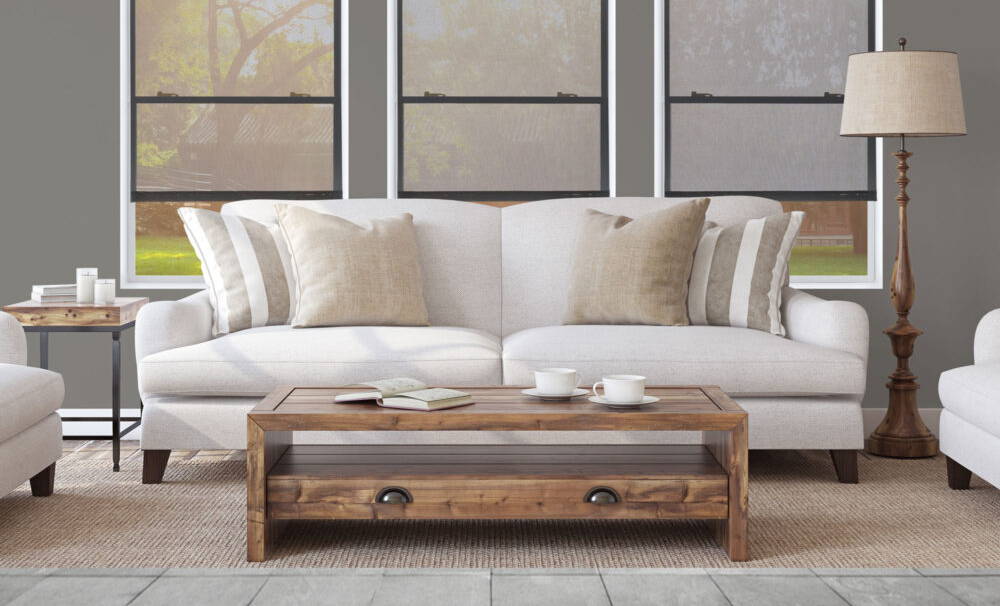
Natural light makes homes feel inviting, but those same rays are quietly destroying furniture, flooring, and decor, says Legacy Realty & Management solutions. UV damage isn’t a distant concern. It’s happening right now. Wood darkens or bleaches out. Fabric colors fade. Leather loses its richness. Most people don’t notice until the damage becomes permanent.
The Hidden Cost of Sun Damage
Quality furniture represents a significant investment. A decent sofa costs $2,000 or more. Hardwood floors run $10,000 for an average home. Yet most homeowners never consider protecting these investments from their biggest threat.
UVA and UVB rays cause approximately 40% of furniture damage. Heat and infrared radiation contribute another 25%. Together, these forces fade colors, dry out materials, and cause permanent discoloration.
Wood furniture reacts differently by species. Cherry and mahogany darken significantly. Oak and maple bleach lighter. Fabrics suffer worse. Silk and linen fade quickly. Cotton loses vibrancy within months. Even synthetics eventually break down.
UV radiation penetrates cloud cover. Those harmful rays work year-round, breaking down chemical bonds in fabrics and finishes.
Window Treatments That Provide Real Protection
Traditional curtains and blinds offer limited solutions. They protect furniture when closed but force homeowners to sacrifice natural light. Opening them defeats the protective purpose. You’re left choosing between light and preservation.
Modern window treatments solve this dilemma. They filter harmful rays while maintaining visibility and natural light flow. Solutions like sheer solar shades use specially woven fabrics with varying openness factors that block UV rays while allowing clear outside views.
A 5% openness factor blocks 95% of UV rays while maintaining visibility. A 3% openness blocks 97% with good view-through. A 1% openness provides 99% UV protection with minimal visibility reduction. The fabric creates a barrier that diffuses light evenly across rooms instead of creating damaging hot spots.
Cellular shades offer another effective option. The honeycomb structure traps air in pockets, creating insulation that reduces heat transfer through windows by up to 60%. This design provides the dual benefits of UV protection and energy efficiency.
Energy Efficiency Benefits
These window treatments provide advantages beyond furniture protection. They significantly reduce energy costs year-round.
During summer, blocking solar heat gain reduces air conditioning load. According to the Department of Energy, approximately 76% of sunlight hitting standard double-pane windows becomes interior heat.
A typical home spends 40% to 50% of its energy budget on heating and cooling. Reducing this by 15% through window treatments translates to hundreds saved annually.
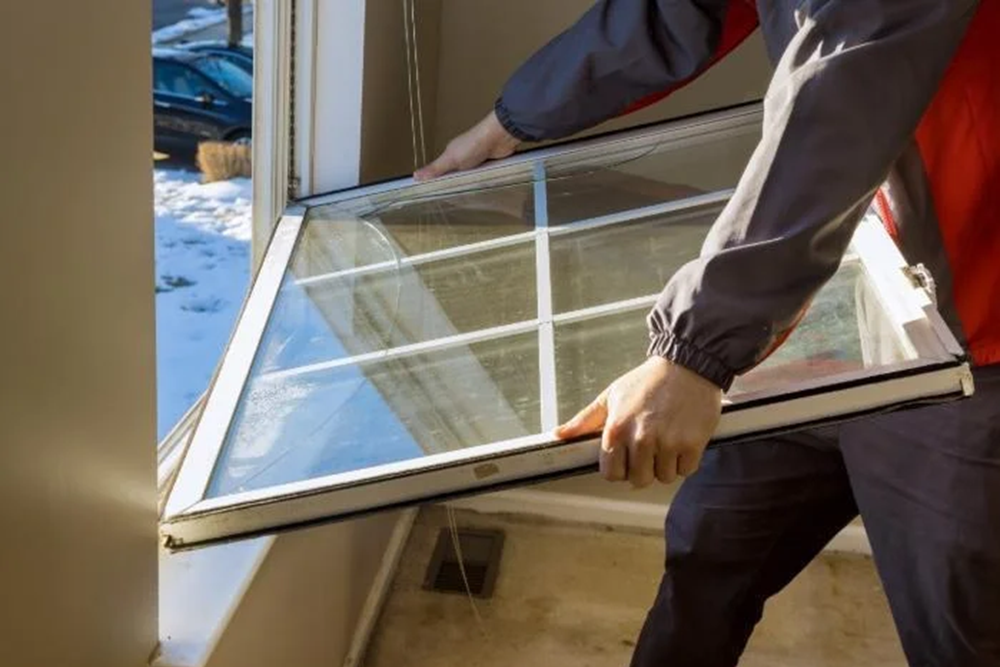
Installation costs remain reasonable. Most window treatments install as DIY projects. Professional installation runs $100 to $300 per window. Full window replacement costs $500 to $1,500 each, making treatments the obvious choice.
Installation and Maintenance
Proper installation maximizes effectiveness. Inside mounts fit within window frames for a clean appearance. Outside mounts extend beyond frames for more coverage.
Side tracks on cellular shades prevent air leakage, which is crucial for energy efficiency. Color selection affects performance. Darker fabrics offer clearer visibility but absorb more heat. Lighter colors reflect heat better.
Maintenance stays minimal. Solar shades wipe clean with a damp cloth. Cellular shades need occasional vacuuming.
Making the Right Choice
Start with problem areas. South- and west-facing windows receive the most intense sun exposure. Rooms with expensive furniture deserve priority protection.
Measure carefully. Inside mounts require exact window dimensions. Outside mounts need measurements extending beyond frames.
Consider whole-house coordination. Consistent treatments create a cohesive exterior appearance, important for curb appeal and resale value.
Protecting Your Investment
UV damage to furniture and flooring costs homeowners thousands in replacement expenses. The right window treatments prevent this damage while reducing energy bills and maintaining natural light that makes houses feel like homes.
Technology has advanced to where protection doesn’t require sacrifice. Modern solutions filter harmful rays while preserving the views and ambiance homeowners value. Smart homeowners address UV damage proactively, protecting their investments before damage becomes visible and permanent.