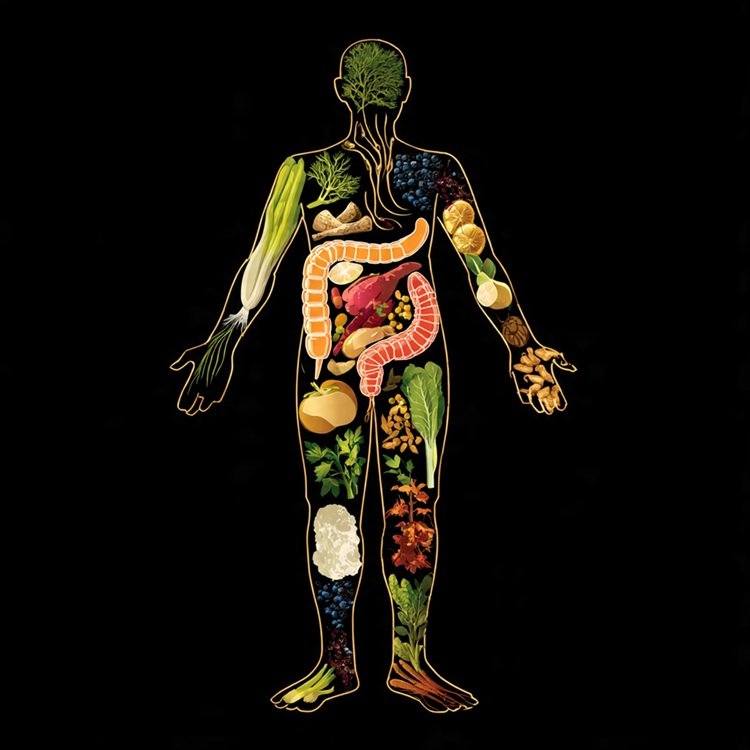
The survival of human beings is determined by the capacity of the body to turn food into usable energy. Each mouthful of food follows a complicated path, first by mechanical disintegration in the mouth, and chemical digestion in the stomach, and finally by the uptake of nutrients in the intestines. This is a well-coordinated process that engages the enzymes, hormones and specific body organs including the liver, pancreas and the gastrointestinal tract. All these mechanisms combine to make sure that the body obtains carbohydrates, proteins, fats, as well as vitamins and minerals, which are essential to the growth and repair of the body and its cells.
The mechanism of digestion and nutrient absorption underlines not only the human body knowledge but also the reason why this or that disorder appears. When any or all of these minute mechanisms fail to work effectively, problems like lactose intolerance, acid reflux, celiac disease and malabsorption syndromes occur. This article talks of the physiology of the digestive and nutrient absorption process, how food is converted into life giving energy by the body.
How Digestion Begins: The Role of the Mouth
Digestion begins as soon as food gets into the mouth. This phase is referred to as ingestion and it is a stage that entails mechanical and chemical processes. Chewing breaks food down into smaller bits which the teeth can work on and this expands the surface area that enzymes use. The salivary glands produce saliva which contains an enzyme known as amylase which starts the process of breaking down carbohydrates to simple sugars.
The tongue helps in the union of food and saliva and pellets it as a bolus- soft mass that is easy to swallow. This initial stage of food digestion is very essential since correct chewing and secretion of saliva are geared towards preparing food to undergo a far vigorous chemical digestion in the stomach.
The Journey Down the Esophagus
Once ingested, food goes down the esophagus, a muscular tube through which food reaches the stomach by means of peristalsis, a muscular contraction that causes a sort of a wave. The mucosal lining of the esophagus is protective to avoid damage by friction, but is not involved in nutrient digestion.
The bottom of the esophagus is the lower esophageal sphincter (LES) which is a muscular valve, which opens to food enters the stomach and closes to prevent the reflux of acidic food into the esophagus. In case of inappropriate relaxation or weakness of this sphincter, acid reflux or gastroesophageal reflux disease (GERD) can arise which causes a sensation of burning called heartburn.
The Stomach: Mechanical and Chemical Breakdown
The stomach is a J-shaped organ that has the role of mixing as well as chemical digestion. Upon the arrival of food, the stomach walls contract and the bolus turns into a semi-liquid state called chyme. There are three great secretions which help in digestion here:
- Hydrochloric Acid (HCl)
- Extremely acidic (pH 1–2)
- Destroys harmful micro organisms.
- Converts pepsinogen into pepsin which is an enzyme that helps in the digestion of proteins.
- Pepsin
- Cleaves long proteins to short peptides.
- Initiates the stage of protein denaturation.
- Mucus
- Produces a protective coating that will not allow the stomach acid to damage the stomach wall.
A hormone called gastrin is also produced by the stomach and this activates the production of acid and gastric motility. In case of emptying of the stomach too fast or too slow, the efficiency of digestion is reduced, and nausea, or bloating could appear.
The Small Intestine: The Center of Digestion and Nutrient Absorption
The small intestine is the longest coiled tube that is formed in the digestive system and has three parts, which is the most critical part of the digestion process:
- Duodenum
- Jejunum
- Ileum
In this case, nearly ninety percent of digestion and the uptake of nutrients occurs.
The Duodenum: Enzymatic Digestion Intensifies
When chyme flows into the duodenum, it is neutralized by the liver and pancreatic secretions which decompose the food molecules into absorbable molecules.
Pancreatic Enzymes
- Carbohydrates are broken down by amylase.
- Lipase digests fats
- Proteins are digested into smaller peptides by proteases (trypsin, chymotrypsin) into smaller peptides.
Bicarbonate is also secreted by the pancreas and that neutralizes the stomach acid to protect intestines.
Bile from the Liver and Gallbladder
- Bile helps in breaking down fat droplets into small ones.
- This enhances the lipase surface area of attack.
Lack of adequate bile will result in fatty stools and deficiency of nutrients since the digestion of fats will be impaired.
The Jejunum and Ileum: Nutrient Absorption
The intestinal mucosa is the most optimally absorptive mucosa. It contains:
- Villi: projections that expose more surface.
- Microvilli: extensions of the cells in a microscopic manner which create a brush border.
- Capillaries/lacteals: these are tiny vessels that carry the nutrients which are carried.
The absorption of the nutrients is as follows:
Carbohydrates
- Dissolved into simple sugars (glucose, fructose, galactose).
- Diffused into the blood through capillaries.
Proteins
- Boiled down to amino acids and taken into the blood.
Fats
- transformed into monoglycerides and fatty acids.
- It enters into lacteals (lymphatic vessels) before accessing bloodstream.
Vitamins and Minerals
- Solvable vitamins (B and C) get into the blood.
- Vitamins A, D, E, K are fat-soluble and have to be absorbed in the presence of bile.
- Minerals like iron and calcium have dedicated systems of absorption.
The cholecystokinin (CKK) hormone tells the gallbladder to empty its bile and the pancreas to empty its enzymes that help in digesting food, whereas secretin encourages the release of bicarbonates. These hormones make sure that there is a coordinated digestion.
The Large Intestine: Water Absorption and Waste Formation
The unabsorbed material gets into the large intestine. Most digestion has already taken place, however the large intestine has a number of roles:
- The absorption of water and electrolytes.
- Carrying positive intestinal microbes.
- Breaking down undigested fiber into short chain fatty acids.
- Forming and storing feces
Some vitamins like vitamin K and some of the B vitamins are also produced by the gut microbiome which benefit the general health.
Physiology Disorders of Digestion and Absorption
Due to the complexity of the digestion process that requires the work of multiple organs and chemical reactions, various issues may be caused in case at least one component of the system fails.
Lactose Intolerance
An intolerance to lactose takes place when the body does not have the enzyme lactase, which breaks down lactose- the sugar in milk. In case lactose is not digested, it ferments in the colon leading to:
- Bloating
- Gas
- Diarrhea
- Abdominal pain
The disorder occurs in adults around the world and can be either genetic or age related.
Acid Reflux and GERD
Acid reflux occurs when stomach acid is transferred in the esophagus. The result of chronic episodes results in GERD which is characterized by:
- Heartburn
- Sour taste
- Chronic cough
- Chest discomfort
This condition is caused by weakened esophageal sphincter muscles, obesity and some foods (such as caffeine or fatty foods).
Celiac Disease
Celiac disease is an autoimmune disorder that is caused by gluten. When the gluten is taken in, the immune system destroys the villi of the small intestine, preventing nutrient absorption, producing:
- Weight loss
- Fatigue
- Anemia
- Chronic diarrhea
Malnutrition and osteoporosis are examples of long-term complications.
Malabsorption Syndromes
They are caused by inability to absorb nutrients in the small intestine. Causes include:
- Pancreatic insufficiency
- Bile acid deficiencies
- Infections
- Inflammatory bowel disease
Perfectly common symptoms comprise loss of weight, scarcity of nutrients, and incessant stomach ache.
How the Body Uses Absorbed Nutrients
After absorption, the nutrients spread to the liver- one of the major metabolism organs, via the bloodstream. The liver breaks down the nutrients, cleanses chemicals, controls blood sugar and stores vitamin and minerals.
- Glucose is an instant source of energy or it is stored up as glycogen.
- New proteins, enzymes, and hormones are formed by the amino acids.
- Fatty acids provide energy in the long run and create cell membrane.
- Vitamins and minerals assist the immune functioning, bone, and neurological functioning.
Digestion and absorption therefore make sure that all cells get what they should in order to work best.
Conclusion
In sum of it all nutrient absorption and digestion are among the most important processes of the body. Since the mouth is involved in the mechanical breakdown of food to the complex enzyme breakdown in the stomach and intestines, all stages play a critical part in keeping a person alive. The stomach, liver, pancreas, and intestines are specialized organs working in harmony to extract the nutrients and distribute all around the body with the help of enzymes and hormones.
Inhibiting diseases like lactose intolerance, acid reflux and malabsorption warn us of how fine the balance of digestion is. Learning about the process of food breakdown and absorption, we can acquire knowledge of how we should take care of our bodies, avoid problems with digestion, and make wise choices about food intake.