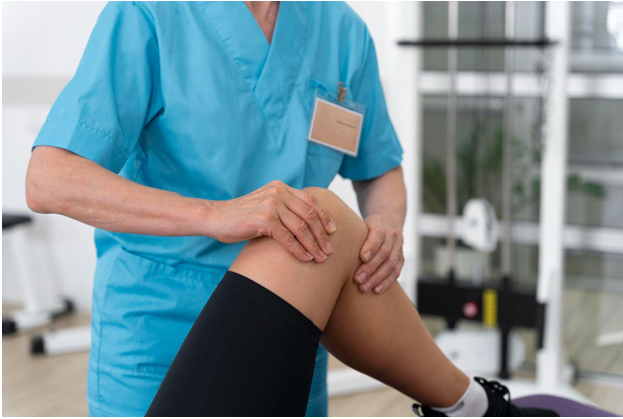
Imagine living pain-free after years of joint stiffness — that’s the true goal of knee replacement surgery. For many people struggling with osteoarthritis, injuries, or joint degeneration, this surgery restores mobility, confidence, and independence.
But one question always remains: “What is the real knee replacement success rate, and how long do the results last?”
In this blog, we’ll break down myths vs facts, explore before and after knee replacement surgery experiences, discuss the role of robotic-assisted technology, and share how recovery and exercises affect long-term surgery success.
What Is Knee Replacement Surgery?
Knee replacement surgery, also known as knee arthroplasty, is a procedure where a damaged or worn-out knee joint is replaced with an artificial implant. This helps reduce pain, improve stability, and restore full movement.
It’s one of the most successful orthopedic surgeries worldwide, with a knee replacement success rate of 95–98% in most patients.
Modern advancements, especially robotic knee replacement surgery, have made results more precise and recovery times shorter.
Types of Knee Replacement Surgeries
Different patients need different types of knee replacement surgeries depending on the extent of joint damage:
- Total Knee Replacement (TKR): The entire joint is replaced with metal and plastic implants.
- Partial Knee Replacement (PKR): Only the damaged portion of the knee is replaced.
- Robotic Knee Replacement Surgery: Uses advanced robotics for enhanced precision and alignment.
- Revision Knee Replacement: A repeat procedure for patients with worn-out implants.
Each type impacts the knee replacement surgery success rate differently — robotic techniques often show the highest accuracy and fastest recovery.
Knee Replacement Success Rate – Myths vs Facts
| Myths | Facts |
| Only young patients have successful results. | Age is not a barrier. Patients over 70 show equally high success rates. |
| Implants don’t last long. | Modern implants last 15–25 years or more with proper care. |
| Robotic surgery is unsafe. | Robotic knee replacement enhances accuracy and reduces human error. |
| Recovery takes years. | With physiotherapy, most patients recover within 3–6 months. |
Fact Check: Studies show that over 95% of patients report pain relief and improved function post-surgery — proving the high knee replacement success rate.
Benefits of Successful Knee Replacement Surgery
When done correctly and followed by proper recovery, the results can be life-changing:
- Long-term pain relief and reduced inflammation.
- Improved range of motion and flexibility.
- Better alignment and posture while walking or climbing stairs.
- Faster recovery with robotic knee replacement surgery.
- Long-lasting implant durability, with success rates above 95%.
These benefits are not just medical but emotional — helping patients regain confidence and return to an active lifestyle.
Before and After Knee Replacement Surgery – What to Expect
Before surgery, patients often face severe stiffness, swelling, and difficulty walking even short distances.
After knee replacement surgery, most patients experience:
- Drastic reduction in knee pain and improved movement.
- Better posture and joint flexibility.
- Renewed energy and a more active lifestyle.
This before-and-after transformation highlights why the knee replacement success rate is among the highest in orthopedics today
Knee Replacement Surgery Recovery Time
Recovery varies depending on the patient’s health and procedure type:
- Week 1–2: Begin assisted walking and light physiotherapy.
- Month 1–2: Notice significant pain reduction and increased motion.
- Month 3–6: Resume most daily activities, including light exercise.
- 6 Months +: Full recovery and improved joint strength.
Tip: Follow your knee replacement exercises and physiotherapy plan strictly to maintain long-term success.
Exercises After Knee Replacement
Exercises after knee replacement surgery are essential for regaining strength and motion. Common ones include:
- Heel slides for flexibility.
- Quadriceps strengthening for stability.
- Straight leg raises to improve muscle control.
- Gentle walking or cycling to boost endurance.
Regular exercise ensures a faster knee replacement recovery time and prevents stiffness.
Traditional vs Robotic Knee Replacement Surgery – Which is better?
| Feature | Traditional Knee Replacement | Robotic Knee Replacement |
| Precision | Surgeon-based manual cuts | Robotic-guided precision cuts |
| Recovery Time | 4–6 months | 2–3 months |
| Pain & Blood Loss | Moderate | Minimal |
| Implant Longevity | 10–15 years | 20+ years |
| Success Rate | 90–92% | 95–98% |
Verdict: Robotic surgery offers higher accuracy and faster healing, leading to an improved knee replacement surgery success rate.
FAQs
Q1. What is the average knee replacement success rate?
The average success rate is 95–98%, depending on age, health, and post-surgery care.
Q2. How long does a knee replacement last?
Most implants last 15–25 years with proper physiotherapy and regular medical checkups.
Q3. Is robotic knee replacement surgery better?
Yes, robotic procedures ensure higher accuracy, reduced pain, and faster recovery.
Q4. How long does recovery take?
Typically, 3–6 months, depending on adherence to your knee replacement exercises.
Q5. What affects the success rate?
Implant quality, surgeon expertise, and consistent rehabilitation exercises play key roles.
Final Thoughts
The knee replacement success rate continues to improve thanks to robotic precision, modern implants, and patient awareness. With the right surgeon, rehabilitation plan, and post-surgery care, patients can expect long-lasting relief, flexibility, and a pain-free life.
Your knee can move again — pain-free and strong.