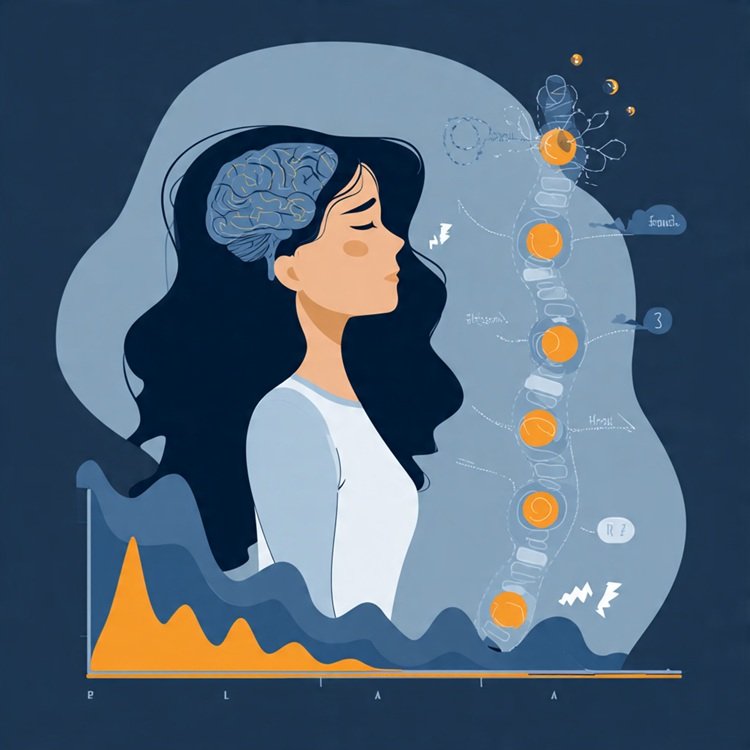
Stress is a cross-cultural phenomenon, a natural biologic and psychological response that assists humans to react to difficulties, threats, or any alterations that occur in the surrounding environment. Although the brief doses of stress may enhance concentration and output, chronic or sustained stress may cause havoc on the body systems. The physiology of stress demonstrates the extent to which this state is connected to the very foundation of the body regulation, including hormone discharge and immunosuppression.
Knowledge of the biological basis of stress is useful in explaining the impact of stress on not only emotion but also physical health, memory, immunity as well as lifespan. In order to have a comprehensive understanding of what transpires within the body under the influence of stress, we need to learn about the hypothalamic-pituitary-adrenal (HPA) axis and the sympathetic nervous system and their long-term consequences to human health.
What Is Stress and Why It Matters
Stress is the natural defense mechanism of the body against perceived threats the process of which has developed during millions of years. This fight or flight mode helped human beings to respond swiftly to danger in ancient times. Even though the modern-day dangers are more psychological than physical such as job stress, money anxieties, or relationship issues, the organism reacts in the same manner.
A cascade of biochemical changes brought about by the brain when danger is detected get the body ready to fight, flee or freeze. The heart rate becomes faster, the breathing becomes hastier, blood pressure grows, and glucose is emitted into the bloodstream to provide energy. This response is normal in the immediate, however, in the long run it is harmful to almost all body systems when sustained.
The importance of the stress is that it is not an emotion alone, it is a physical process as it includes the brain, the nervous system, the endocrine system and the immune system. These systems are modified by chronic stress and may cause such conditions as hypertension, depression, diabetes, and cardiovascular disease.
The Body’s Stress Response System
Two biological systems, which are important in the stress response, are the sympathetic nervous system (SNS) and the hypothalamic-pituitary-adrenal (HPA) axis. The combination of the systems brings about the instant and long-term responses of the body to stress.
The Sympathetic Nervous System: The Body’s Alarm System
Upon the brain detecting a threat, nerve signals are transmitted by the hypothalamus via the sympathetic nervous system, getting the adrenal medulla to release adrenaline (epinephrine) and noradrenaline (norepinephrine). These hormones equip the body to act quickly- this is the so-called fight-or-flight-response.
Physiologically, adrenaline accelerates the heart rate, raises the blood pressure and dilates the airways to enhance the intake of oxygen. The blood circulation is diverted at the expense of non -essential organs such as the digestive system to the muscles, brain and the heart. The pupils are enlarged and there is a rush of glucose in the blood to release a surge of energy.
This is a survival mechanism of acute stress response. Nonetheless, repeated occurrences of it under the influence of everyday stressors may result in chronic health issues, including anxiety disorders, high blood pressure, and heart stress.
The Hypothalamic Pituitary Adrenal (HPA) Axis: The Hormonal Cascade
The hypothalamic-pituitary-adrenal (HPA) axis is important in balancing during the long term stress. After the acute fight or flight response is over, the stress response of the body to the longer-term effects is controlled by the HPA axis in an intricate hormonal feedback loop.
This is initiated in the hypothalamus which is a part of the brain that is the command center of the body. In case of danger, the hypothalamus releases corticotropin-releasing hormone (CRH). The hormone is transported to the pituitary gland where it is reacted to by the release of adrenocorticotropic hormone (ACTH) into the blood. This is then triggered by ACTH to stimulate the adrenal cortex, the outermost layer of the adrenal glands to produce cortisol, which is the main stress hormone.
The cortisol is vital and performs a number of roles:
- It raises the glucose levels as a means of providing the body with continuous energy.
- It inhibits unnecessary systems like reproduction, immunity and digestion.
- It increases alertness and memory formation, augmenting the power to concentrate on the short-term survival needs.
In the normal condition, cortisol level increases in the morning and decreases in the afternoon. But chronic stress maintains high levels of cortisol over a long period leading to disruption of its natural cycle and resulting in adverse effects in the body.
The aftermaths of chronic Stress on the Body.
Although the short-term reaction of the HPA axis and the sympathetic nervous system is adaptive, extensive stimulation of the two systems may be associated with extensive physiological losses. Physical, emotional, and mental health is affected as chronic stress affects almost all the organ systems.
- Cardiovascular System
Stress raises heart rate and narrows blood vessels elevating blood pressure. The continuous pressure on the cardiovascular system leads to high blood pressure, atherosclerosis and heart disease in the long run. High levels of cortisol also raise the level of cholesterol and triglycerides thus depositing plaque in the arteries.
Prolonged stimulation of the stress reaction may even change the heart rhythm and predispose to a heart attack and stroke. Individuals who experience chronic stressors have a twofold increased probability to develop cardiovascular complications as compared to those who have a healthy coping system.
- Immune System
The cortisol suppresses the immune system because it decreases the production of white blood cells and decreases inflammation. Although this would help avoid autoimmune responses in the case of acute stress, chronic suppression will leave the body vulnerable to infections and slowing wound healing.
Interestingly, inflammation also is aggravated by chronic stress, in case of cortisol regulation. This suppression/overactivation paradox has been associated with the diseases of rheumatoid arthritis, inflammatory bowel disease and asthma.
- Endocrine and Metabolic Effects
Long term exposure to cortisol interferes with metabolism which causes weight gain, especially around the abdomen. Eating habits that result under stress-particularly, the desire to consume sugar and fat, are also another cause of obesity. The sensitivity of the insulin is also distorted by cortisol, which makes one prone to type 2 diabetes.
Chronic stress in women may interfere with estrogen and progesterone levels; therefore, causing menstrual anomalies and fertility problems. High levels of stress can decrease testosterone in men and decrease the production of sperm.
- Brain and Mental Health
The brain is among the major areas that are attacked by stress hormones. Although cortisol in short bursts improves memory and alertness, a long-term exposure harms brain areas including the hippocampus that is important in learning and memory. This may cause forgetfulness, lack of concentration and depression.
Anxiety disorders, sleep disorders and post traumatic stress disorder (PTSD) are also linked to chronic stress. Increased cortisol level destroys portions of the prefrontal cortex, the decision maker, and increases in size the amygdala, the brain fear centre, causing one to be more reactive and emotionally volatile.
Digestive and Reproductive Systems
Stress causes the loss of energy to digestion resulting in nausea, bloating, constipation or diarrhea. Such conditions as irritable bowel syndrome (IBS) and acid reflux are worsened by stress on a chronic basis.
Stress in the long term may inhibit ovulation, interfere libido and lower sperm quality in terms of reproduction. The pregnant mothers with extreme stress are also at a risk of increased complications like preterm labour or low weight babies.
The Science of Stress Recovery
Although stress response has harmful potential, it can be reversed. When one is no longer in the presence of danger, the body has inbuilt processes to relax, that is, via the parasympathetic nervous system (PNS). This rest-and-digest system decreases heart rate, increases digestion and causes the energy to get back into balance.
The long-term resilience is in the ability to make sure that the body can transition efficiently between the state of activation and that of recovery. Special methods that stimulate parasympathetic activity (deep breathing, mindfulness, physical exercise, and sleep) can have a potent impact on decreasing the physiological load of stress.
Managing Stress Naturally and Effectively
Stress management is not only a science but also an art. It is not to remove stress completely which is an unattainable mission but to manage it in a manner that is healthy and balanced. Certain evidence-based methods can make a person control the reactions of his/her HPA axis and nervous system.
- Physical Exercise
One of the most effective natural stressed relievers is exercise. It lowers the amount of cortisol and boosts the secretions of endorphins- the natural mood enhancers of the body. Exercises such as yoga, running, or swimming also enhance the cardiovascular condition and enhance sleep, which is essential in stress relief.
- Mindfulness and Meditation
Mindfulness practices decrease sympathetic activation as well as enhance parasympathetic tone. Research indicates that meditation reduces cortisol, lowers blood pressure, and even enlarges gray mass in empties related to emotion regulation.
Mindfulness (attention to the present moment) allows people to redefine stressful situations and eliminate stress cycles.
- Sleep and Rest
Sleep deprivation and chronic stress are vicious in a circle; stress disrupts sleep, and sleep is disrupted because of stress. Sleep quality, hormonal balance, and reduction of cortisol and emotional regulation are some of the benefits of quality sleep. Having a routine of sleep and reducing the amount of time on screens before going to sleep can enhance healthy sleep.
- Nutrition and Hydration
Eating a balanced diet helps the endocrine and nervous systems to handle stress. The Omega-3 fatty acids present in fish and flaxseeds help decrease inflammation, whereas, complex carbohydrates maintain the level of serotonin and blood sugar. The hydration is also very important, and dehydration can increase the perception of fatigue and stress.
Reducing caffeine, alcohol, and processed foods will keep the energy and mood on track of the day.
- Social Connection and Emotional Support
Human beings are social and significant relationships cushion the stress. Social support lowers the level of cortisol and boosts the release of oxytocin- the hormone of bonding that creates trust and tranquility. Emotional outlet through friends, therapy or support group reduces the burden on the mind and makes one resilient.
- Professional Interventions
Psychological intervention may be required in chronic or severe stress cases like cognitive-behavioral therapy (CBT) or stress management counseling. The therapies enable the patients to recognize negative thought patterns and substitute them with positive coping mechanisms.
In medicine, doctors can also prescribe drugs that control disorders associated with stress like antidepressants or anxiolytics, but the basis of the recovery in the long term is lifestyle modification.
The Future of Stress Research
The current neurosciences are in the process of revealing the ways in which stress alters human biology. Discoveries of brain imaging and molecular biology have found that chronic stress accelerates the aging process in the cell by shortening of telomeres, which are the protective caps over the chromosomes. This finding draws a direct relationship between psychological stress and susceptibility to diseases as a result of aging.
New research findings also indicate that genetic expression can be modified in early-life with epigenetic modifications that change the functioning of genes that deal with stress regulation later in life. The knowledge of these mechanisms opens the possibilities of individual stress coping and specific treatments.
Conclusion
Stress is a necessary aspect of humanity, it is an inbuilt reaction, which has helped us to live and survive thousands of years. However, in the modern world where all things are fast and pressurizing the same system that was meant to reassure us backfires and harms us.
The physiology of stress shows that all the nervous thoughts, all adrenaline releases, all cortisol releases are components of a fine biological symphony between mind and body. This balance may be interrupted by chronic stimulation of the hypothalamic-pituitary-adrenal (HPA) axis, which results in disease, fatigue, and emotional burnout.
But the knowledge of such system gives us an ability to take the control back. With physical activity, emotional focus, nutrition, sleep, and social interaction, we are able to regain balance and take care of our physical and mental health. Science of stress teaches us a valuable lesson, and that is, although we can not always change our environment, we can change how we will react to it and in the process, we will be in a position to protect our health forever.