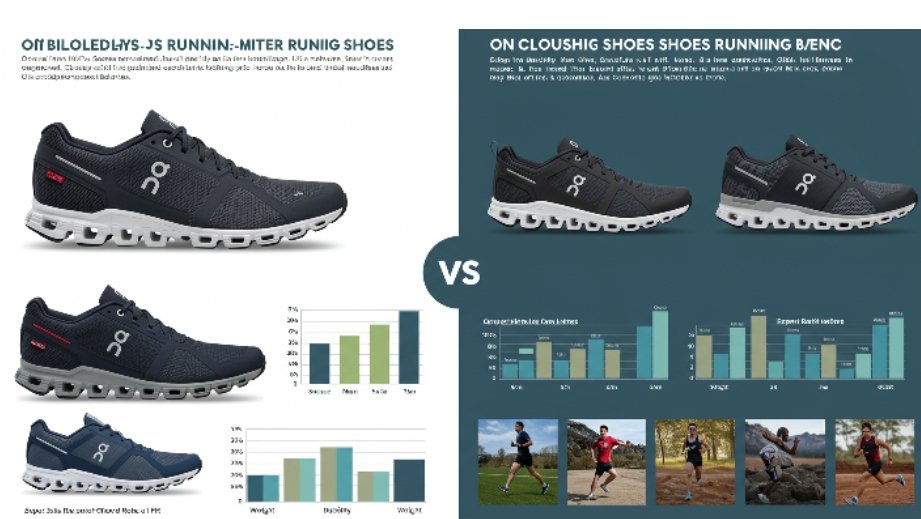
Choosing the right running shoes can make or break your training experience. With countless brands flooding the market, runners often find themselves torn between innovative newcomers and established giants. This comprehensive comparison examines how On cloud CloudTec technology stacks up against traditional running footwear from Nike, Adidas, Brooks, and other leading manufacturers.
Understanding the key differences between these options will help you make an informed decision based on your specific needs, running style, and budget. Let’s dive into what sets each category apart and determine which might be the better choice for your running journey.
How Does CloudTec Technology Compare to Traditional Cushioning?
On’s revolutionary CloudTec system represents a departure from conventional midsole designs found in most running shoes. Traditional brands typically rely on foam-based cushioning systems like Nike’s React or Zoom Air, Adidas’ Boost technology, or Brooks’ DNA cushioning. These systems compress uniformly to absorb impact and provide energy return.
CloudTec technology takes a different approach with its hollow pod design that compresses vertically on landing and firms horizontally during push-off. This dual-action mechanism creates a unique running sensation that many describe as “running on cloud shoes.” Traditional cushioning systems offer consistent compression throughout the midsole, providing predictable comfort but potentially less adaptive response to different running surfaces and strike patterns.
Which Offers Better Performance for Different Running Styles?
Heel strikers often benefit from the targeted cushioning that traditional running shoes provide in the heel area. Brands like Brooks and ASICS excel in this category with their structured approach to impact absorption. However, the CloudTec system adapts to various foot strike patterns, making it versatile for runners transitioning between different techniques.
Forefoot and midfoot strikers may find the responsive nature of CloudTec technology particularly appealing. The pods under the forefoot compress and release energy more efficiently than traditional foam systems, potentially improving running economy. Traditional shoes designed specifically for forefoot striking, such as racing flats or minimalist models, offer their own advantages in terms of ground feel and lightweight construction.
How Do Durability and Longevity Compare?
Traditional running shoes typically last between 300-500 miles, depending on construction quality and running surface. Premium brands like Nike and Adidas use durable rubber compounds and reinforced high-wear areas to extend shoe life. The uniform foam construction means wear patterns develop gradually across the entire midsole.
CloudTec technology presents a different durability profile. The individual pod design means that wear occurs in specific areas rather than uniformly across the sole. While the EVA foam pods resist compression set better than traditional foams, the modular design can lead to uneven wear patterns. Some runners report excellent longevity, while others notice wear in high-impact zones sooner than expected.
What About Price Point and Value Proposition?
Traditional running shoes offer a wide price range, from budget-friendly options around $60 to premium models exceeding $200. Established brands benefit from economies of scale and can offer entry-level models with decent performance characteristics. Mid-range traditional shoes often provide excellent value for recreational runners.
Swiss-engineered running shoes typically command premium pricing, reflecting their innovative technology and manufacturing costs. While the initial investment is higher, proponents argue that the unique benefits and potential durability justify the cost. However, budget-conscious runners may find traditional options provide better immediate value.
Which Provides Superior Comfort for Long-Distance Running?
Long-distance comfort depends heavily on individual foot anatomy and running biomechanics. Traditional running shoes excel in providing structured support through features like medial posts, heel counters, and arch support systems. Brands like Brooks and ASICS have decades of experience in designing shoes for various foot types and gait patterns.
The adaptive nature on Cloud shoes Tec technology can provide exceptional comfort for runners whose feet change shape during long runs. The pods adjust to swelling and foot expansion better than rigid foam systems. However, some runners prefer the consistent, predictable feel of traditional cushioning during ultra-long efforts where foot stability becomes crucial.
How Do They Handle Different Terrain and Weather Conditions?
Traditional running shoes offer specialized models for various conditions. Trail running shoes feature aggressive outsole patterns and protective uppers, while road shoes optimize for pavement performance. Weather-specific models include waterproof membranes and enhanced traction compounds.
CloudTec designs tend to focus primarily on road running, with limited terrain-specific options. The pod design can trap debris on trails, and the open architecture may not provide adequate protection in harsh conditions. However, the system performs exceptionally well on varied urban surfaces, adapting to concrete, asphalt, and mixed terrain.
What Do Real On Cloud Runners Say in Head-to-Head Testing?
Runner feedback reveals interesting patterns when comparing these technologies. Traditional shoe loyalists often appreciate the familiar feel and proven track record of established brands. They value the wide selection of models designed for specific needs and the availability of expert fitting services at specialty running stores.
Runners who switch to CloudTec technology often report an initial adjustment period followed by appreciation for the unique ride quality. Many describe feeling more energetic during runs and experiencing less post-workout fatigue. However, some runners never fully adapt to the different sensation and prefer returning to traditional cushioning systems.
Which Technology Better Prevents Common Running Injuries?
Traditional running shoes address injury prevention through structured support and motion control features. Stability shoes help overpronators, while cushioned models protect against impact-related injuries. The established understanding of biomechanics allows traditional brands to target specific injury patterns effectively.
CloudTec technology approaches injury prevention through improved energy return and reduced impact forces. The system may help runners maintain better form by encouraging midfoot striking and reducing heel impact. However, the transition period can sometimes lead to temporary discomfort as runners adapt to the different running mechanics.
Conclusion: Making the Right Choice for Your Running
The choice between CloudTec technology and traditional running on shoes ultimately depends on your individual needs, preferences, and running goals. Traditional options excel in providing proven performance, wide model selection, and excellent value across various price points. They remain the safer choice for most runners, especially those with specific biomechanical needs or terrain requirements.
CloudTec technology offers innovation and a unique running experience that many find energizing and comfortable. If you’re looking for something different and don’t mind the premium price point, these shoes might revolutionize your running experience. Consider trying both approaches to determine which technology aligns better with your running style and comfort preferences.