Combining alcohol with drugs, prescription or over-the-counter pills can do more damage than some individuals may know. Although glass of wine or one pill may be considered harmless, using both together can produce some unpredictable and even life-threatening effects.
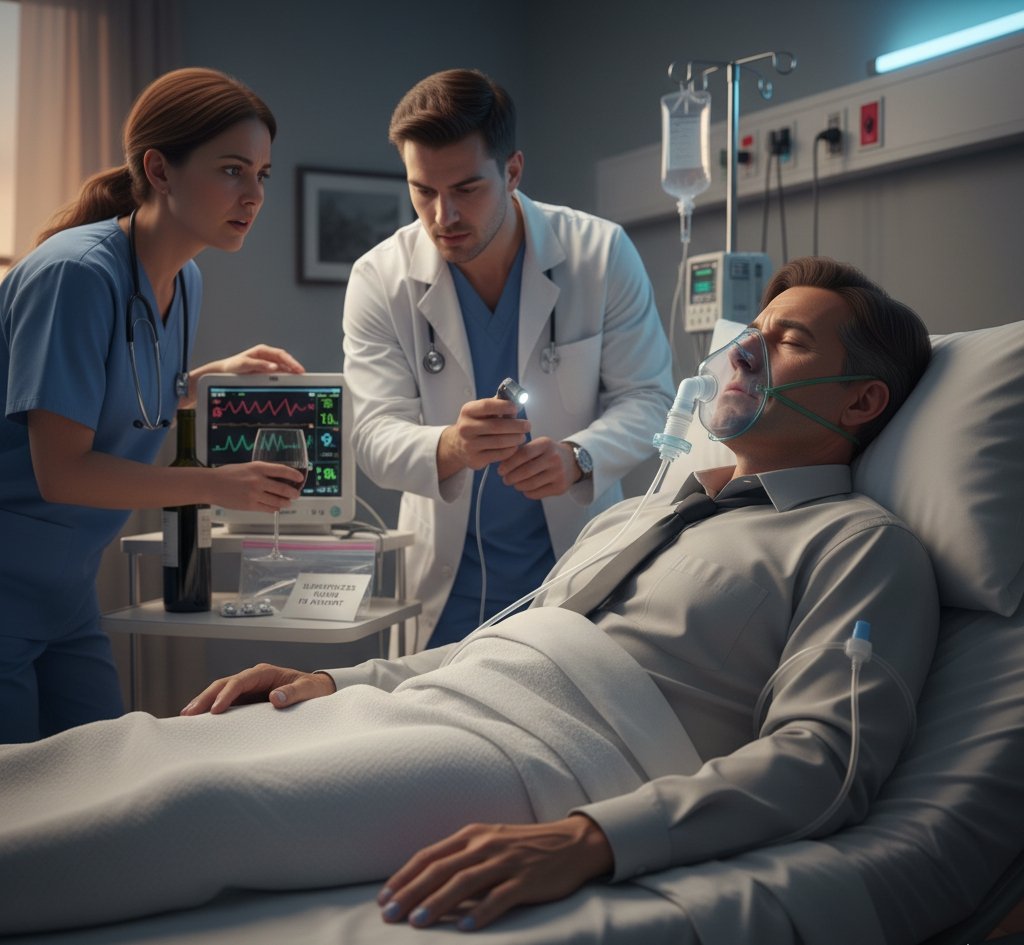
Let’s take a look at this: a middle aged office worker, who had a hectic day returned home after work, and made a decision to take a painkiller which had been prescribed to him, as a remedy to a backache. He also poured a glass of wine to relax. In less than an hour, extreme drowsiness occurred, and then, slurred speech and shallow breathing. Initially, it was believed that it was mere exhaustion, but soon the symptoms began to deteriorate. Taken to the hospital, physicians established that it was a severe interaction between alcohol and drugs.
This is a real-life situation that demonstrates alcohol-drug harmful interactions, and how one can so simply disregard these risks until a medical emergency occurs.
This article will offer practical instructions in identifying the symptoms of harmful interactions between alcohol and drugs so that a person would be able to respond timely and seek medical assistance before the circumstances can turn into medical emergencies.
Why Alcohol and Drugs Don’t Mix
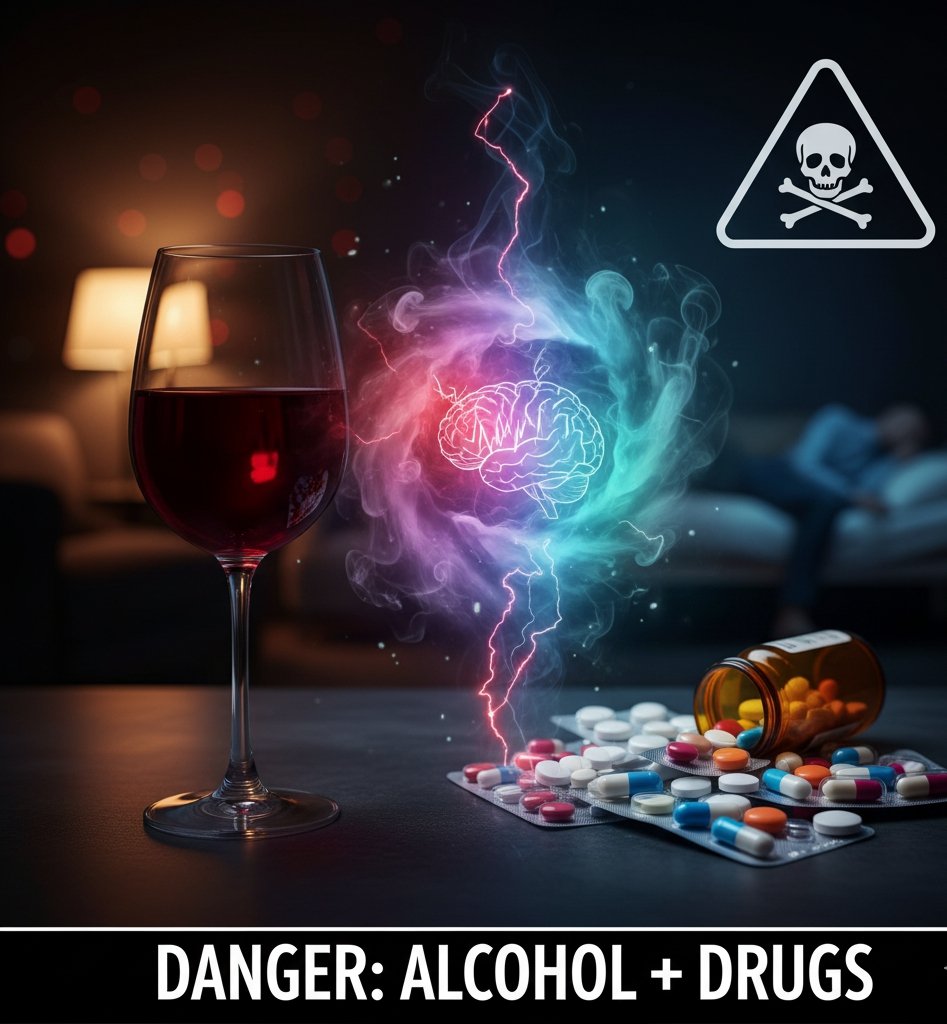
Alcohol is a depressant which influences the central nervous system. Most drugs, painkillers, antidepressants, sedatives and even over-the-counter drugs, also act on the same system. Taking alcohol may increase or decrease the impact of these medications, and the consequences of such combinations may be disastrous, including death due to respiratory issues, harm to body organs, or acute mental disorientation.
Although the effects are not usually instantaneous, there is also a possibility of long-term damage of the liver, heart and digestive system in case of repeated mixing. The initial symptoms should be recognized in order to avoid these consequences.
Common Warning Signs of Harmful Interactions
Various drugs interact with alcohol in different ways, but there are some symptoms which are definite red flags. Knowing them can assist people and caregivers to act before it is too late.
1. Extreme Drowsiness and Fatigue
A drink will make one feel sleepy, but sometimes alcohol combined with sedatives, opioids, or antihistamines will make the drowsiness overwhelming. An individual can find it difficult to maintain alertness, attention or sleep in hazardous scenarios such as driving or cooking.
What to watch for:
- Abnormal trouble in keeping alert.
- Slurred or slowed speech
- Sagging eyelids or falling asleep over and over again.
Having these symptoms come on when alcohol is used in combination with medication is a telling signal that one is over-seded.
2. Slowed or Difficult Breathing
Respiratory depression is one of the most harmful effects of alcohol-drug interaction. This occurs when the body functions to breathe slowly are inhibited by alcohol and some medications (such as opioids, anti-anxiety medications, or sleeping pills).
What to watch for:
- Slow and shallow breathing.
- Long pauses between breaths
- Lips or fingertips are bluish (indicating low oxygen level)
This is a medical emergency. By the time the slowed breathing is realized, it is urgent to seek medical help to avoid brain damages or death.
3. Confusion and Impaired Judgment
Alcohol by itself may lead to memory lapses or poor decision-making, and when added to antidepressants, anti-seizure medications, or other nervous system drugs, may cause confusion to elevate into life-threatening disorientation.
What to watch for:
- Dilapidation or loss of recall of familiar persons.
- Speaking or inability to think coherently.
- Difficulty in settling down or abnormal change of behavior.
In serious situations, confusion can even develop into delirium or hallucinations and very soon become dangerous or violent.
4. Abdominal pain, Nausea and Vomiting
It is the liver and stomach that absorb the alcohol and drugs. Combined, they may cause irritation to the stomach wall or excessive burden to the liver, causing abdominal pain.
What to watch for:
- Constant stomach cramps or abdominal pain.
- Intense nausea or continual vomiting.
- Blood in the vomit or that which resembles coffee grounds (indication of internal bleeding).
These are symptoms that cannot be overlooked as they can be a sign of some internal damage that needs urgent treatment.
5. Dizziness, Fainting, and Loss of Coordination
Alcohol has been known to affect balance, but in combination with the blood pressure medication, sedatives, or muscle relaxants, the possibility of falling and fainting is magnified severally.
What to watch for:
- Lightheadedness on standing up.
- Wobbly or trip and fall.
- Fainting seizures.
Such cases might not be very crucial, but they can cause severe injuries and portend severe cardiovascular stress.
High-Risk Drug Categories That Interact With Alcohol
Although any drug can be potentially interacting with alcohol, some types of drugs are especially dangerous. Being aware of what type of medicines are in this group will allow people to be wary.
Opioid Painkillers
Oxycodone, Hydrocodone, Morphine are examples.
Opioids when combined with alcohol expose the body to a great risk of respiratory depression, unconsciousness, and overdose.
Sedatives and Anti-Anxiety Medications
Examples Benzodiazepine such as Xanax, Valium, Ativan.
Their sedative effects are further intensified by alcohol which causes them to slow down their breathing, get confused and black out.
Antidepressants and Antipsychotics
Examples: SSRIs, SNRI, lithium, antipsychotic drugs.
The combination may deepen drowsiness, produce irregular heartbeats or induce severe mood swings.
Blood Pressure and Heart Medications
Examples: Beta-blockers, nitroglycerin.
When used with alcohol, it may cause extremely low blood pressure, lightheadedness, or fainting.
Over-the-Counter Medications
Examples: Cough syrups, antihistamines, painkillers such as acetaminophen or ibuprofen.
With antihistamines, alcohol increases drowsiness and with pain relievers, it increases the chance of stomach bleeding or liver damage.
When to Seek Emergency Help
In case any of the following symptoms occur after alcohol and medication are mixed, there should be immediate medical attention.
- Breathing becomes shallow or irregular
- The person becomes unconscious or irresponsible.
- Heavy chest pains or palpitations occur.
- Vomiting is chronic or inclusive of blood.
- Sudden seizures occur
Timely healthcare is what can save a life.
Prevention: The Best Defense
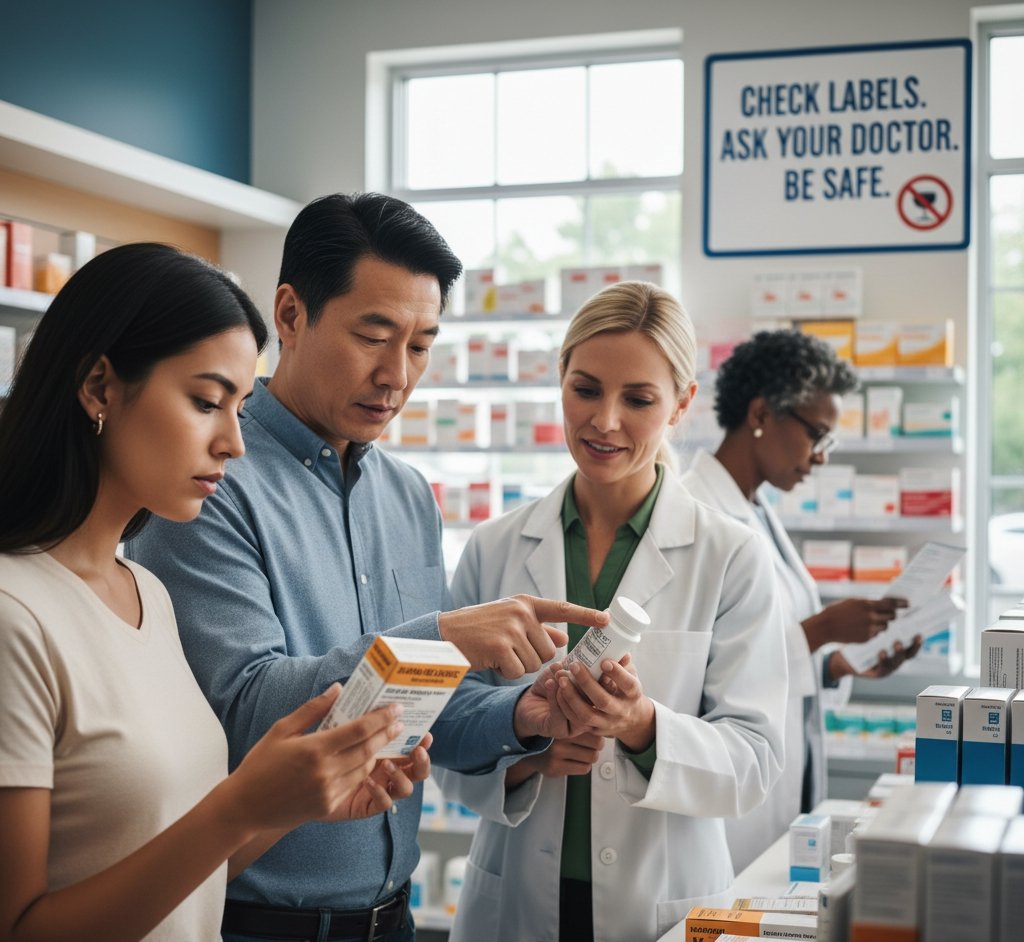
Prevention is the most appropriate way of avoiding dangerous situations. Some practical steps involve:
- Check drug labels: A lot of prescriptions and even medications available over the counter have warnings on drug interactions with alcohol.
- Ask medical practitioners: Never take any alcohol when you are on medication.
- Follow-up on your prescriptions: It may be a good idea to maintain a list of all the medications to identify potential risks.
- There is no such thing as just one drink: Although the amount of alcoholic beverages may be small, it can cause harmful interactions with the drug.
- Keep medications away: Keep medication out of the way to avoid mixing accidentally by labeling medications and putting them in safe locations.
Supporting Someone at Risk
Friends, family members, or caregivers often notice symptoms before the concerned individual. When you notice a person using alcohol together with medication, or when he or she is showing signs of confusion, low breathing or excessive drowsiness, you should pay attention.
- Stay with them and watch them carefully.
- Do not let them “sleep it off.”
- Seek medical attention in case the symptoms worsen.
- Early action can save lives.
Real Life Situation: Presentation of Symptoms
Case 1: A person takes a prescription painkiller after surgery and thinks that they should relax with two beers. After an hour, they become highly drowsy and fall asleep but their breathing becomes sluggish and dangerous. This may develop to overdose without intervention.
Case 2: An individual taking blood pressure medication consumes some glasses of wine during a family get-together. They just pass out and at this moment, they experience a sudden dizziness with loss of consciousness because of a sudden intricate fall in blood pressure.
Case 3: An individual who is allergic to the seasons takes antihistamines in the morning, and cocktails at night. They experience nervousness, disorientation and are nauseated-symptoms that may be easily confused with food poisoning but are in fact an interaction.
These instances demonstrate the way in which simple circumstances can deteriorate easily.
Conclusion
Alcohol and drugs are not compatible. Even rather harmless combinations may cause dangerous effects such as interaction to stomach pain and confusion up to slowing breathing and unconsciousness.
Alcohol-drug interactions can happen to people who have some chronic disease or excessive drinking habits, but this risk also concerns anyone who just mixes a beverage with a drug casually.
The reaction of the body is frequently unpredictable, and the symptoms may develop rapidly and turn into life-threatening situations. Early identification of the warning signs and being serious about them can allow people to avoid tragedy.
Also, learning to identify the red flags of alcohol-drug dangerous interaction will enable people to avoid unnecessary crises and save their own lives and those of others.
Being aware, enquiring on the prescriptions, making decisions that are cautious rather than risky are small measures that yield a great deal. What would save someone tomorrow and maybe even your own life is awareness today.