Introduction
Rising utility bills, particularly during colder months, can strain any household’s budget. One of the most overlooked sources of ongoing cost is water heating. Fortunately, homeowners have many practical options available to improve energy efficiency and reduce expenses, all without sacrificing convenience or hot water comfort. For residents looking to maximize savings and efficiency in the Midwest, expert water heater installation Kansas City can ensure the right solutions for your property from the start.
Adopting a proactive approach to your water heater’s operation and upkeep yields noticeable yearly savings. Whether seeking DIY savings strategies or considering an appliance upgrade, knowing best practices gives you lasting control over your utility costs. The tips below help you make impactful changes and save more money.
Lower the Water Heater Temperature
Many households unknowingly keep their water heaters set much higher than needed. Reducing your heater’s temperature setting to 120°F is a proven method for instantly cutting down your energy bill. According to the U.S. Department of Energy, each 10°F drop can save 3-5% on annual water heating costs. Moreover, this temperature effectively meets most household hot water needs and means a reduced risk of scalding, making your home safer and more economical at the same time.
Insulate the Water Heater and Pipes
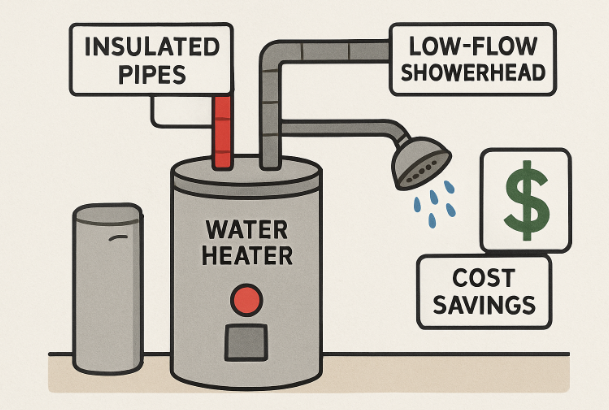
Heat loss from your water heater tank and connecting pipes forces the system to work overtime, driving up utility costs. Adding insulation is a quick solution that makes a substantial difference. Water heater insulation blankets and foam pipe sleeves, found at home improvement stores, are easy to install and pay for within a year, thanks to reduced standby heat losses. To maximize savings and extend your system’s lifespan, focus on insulating the first three feet of hot and cold water pipes attached to your heater.
Install Low-Flow Fixtures
Traditional showerheads and faucets are often inefficient, leading to unnecessary waste of hot water and energy. Investing in low-flow showerheads and aerators reduces hot water use without affecting water pressure. The Environmental Protection Agency notes that replacing just one showerhead with a WaterSense-labeled model can save the average family 2,700 gallons of water per year. With less hot water required, heating demands drop, resulting in lower bills month after month.
Fix Leaks Promptly
Hidden leaks around your home may seem harmless, but every drip translates directly into wasted water and unnecessary heating costs. A faucet leaking one drip per second can waste more than 3,000 gallons annually. Even more critically, that’s hot water you’re paying to heat and send right down the drain. To stop this constant loss, inspect faucets, showerheads, and water heater connections regularly, and repair any leaks as soon as you spot them.
Perform Regular Maintenance
Staying on top of your water heater’s maintenance needs is one of the most effective ways to ensure maximum performance and lifespan. Over time, sediment collects in the bottom of your heater tank, reducing efficiency and making it work harder (especially true for hard water regions). Flushing your tank annually, as most manufacturers recommend, helps eliminate these deposits. Additionally, check the pressure relief valve and inspect for rust or corrosion to avoid unexpected breakdowns and ensure consistent savings.
Upgrade to Energy-Efficient Appliances
If your water heater is nearing the end of its life or struggling to keep up, upgrading to a newer, energy-efficient model can yield significant cost reductions. Tankless (on-demand) units only heat water as needed, while heat pump water heaters use electricity to move heat rather than generate it. According to the U.S. Department of Energy, both technologies can reduce electric water heating consumption by 30-50%. High-efficiency options often come with rebates or incentives that help offset the initial outlay, resulting in improved performance and savings year after year.
Consider Alternative Water Heating Systems
Alternative technologies such as solar water heaters use renewable energy, providing both environmental benefits and long-term savings. Solar thermal systems are particularly effective in sunny climates but can be adapted for diverse weather conditions with proper design and backup systems. Exploring these options can reduce fossil fuel reliance and insulate you from fluctuating energy prices over time.
Take Advantage of Incentives and Rebates
Many municipal, state, and federal programs offer incentives for upgrading efficient water heating systems. These rebates and grants, sometimes totaling thousands of dollars, can dramatically reduce the upfront cost of switching to ENERGY STAR®-certified models, tankless heaters, or renewable alternatives. For example, in several cities, homeowners can receive substantial bill credits or cash-back offers for upgrades that cut energy use—all while enjoying improved comfort and reliability. Check with your local government offices or utility provider to see what programs are available for your area.
By using these strategies, you can reduce the burden of high water heating bills, extend the useful life of your appliances, and make your household more sustainable—all without sacrificing comfort and convenience.