Vehicle breakdowns don’t follow schedules. They happen during rush hour commutes, weekend family trips, and right before important meetings. For both individual drivers and fleet managers, unexpected vehicle failures translate directly into lost time, missed opportunities, and mounting frustration.
Professional vehicle service offers a strategic approach to minimize these disruptions. Rather than waiting for problems to surface, proactive maintenance and expert repairs keep vehicles running reliably when you need them most. This preventive strategy proves especially valuable for commercial operations where every hour of downtime affects productivity and profitability.
Understanding how professional service reduces downtime helps vehicle owners make informed decisions about maintenance investments and repair priorities.
The True Cost of Vehicle Downtime
Vehicle downtime extends far beyond the inconvenience of missing appointments. For commercial vehicles, each day out of service represents lost revenue, delayed deliveries, and potential customer dissatisfaction. Personal vehicles create their own challenges—rental car expenses, missed work days, and disrupted family schedules.
Emergency repairs typically cost more than scheduled maintenance. When vehicles fail unexpectedly, owners often face premium pricing for urgent service, towing fees, and limited repair shop options. Professional service providers help avoid these expensive scenarios through regular inspections and timely maintenance.
Consider the ripple effects of a transmission failure during peak business season. Beyond the immediate repair costs, businesses face lost contracts, overtime expenses for alternative transportation, and the stress of managing operations with reduced capacity. Professional auto transmission repair in Salt Lake City and similar services in other regions can prevent these cascading problems through early detection and intervention.
Preventive Maintenance: Your First Line of Defense
Regular maintenance schedules form the foundation of downtime reduction. Professional technicians identify potential problems before they cause failures, allowing vehicle owners to plan repairs around their schedules rather than being forced into emergency situations.
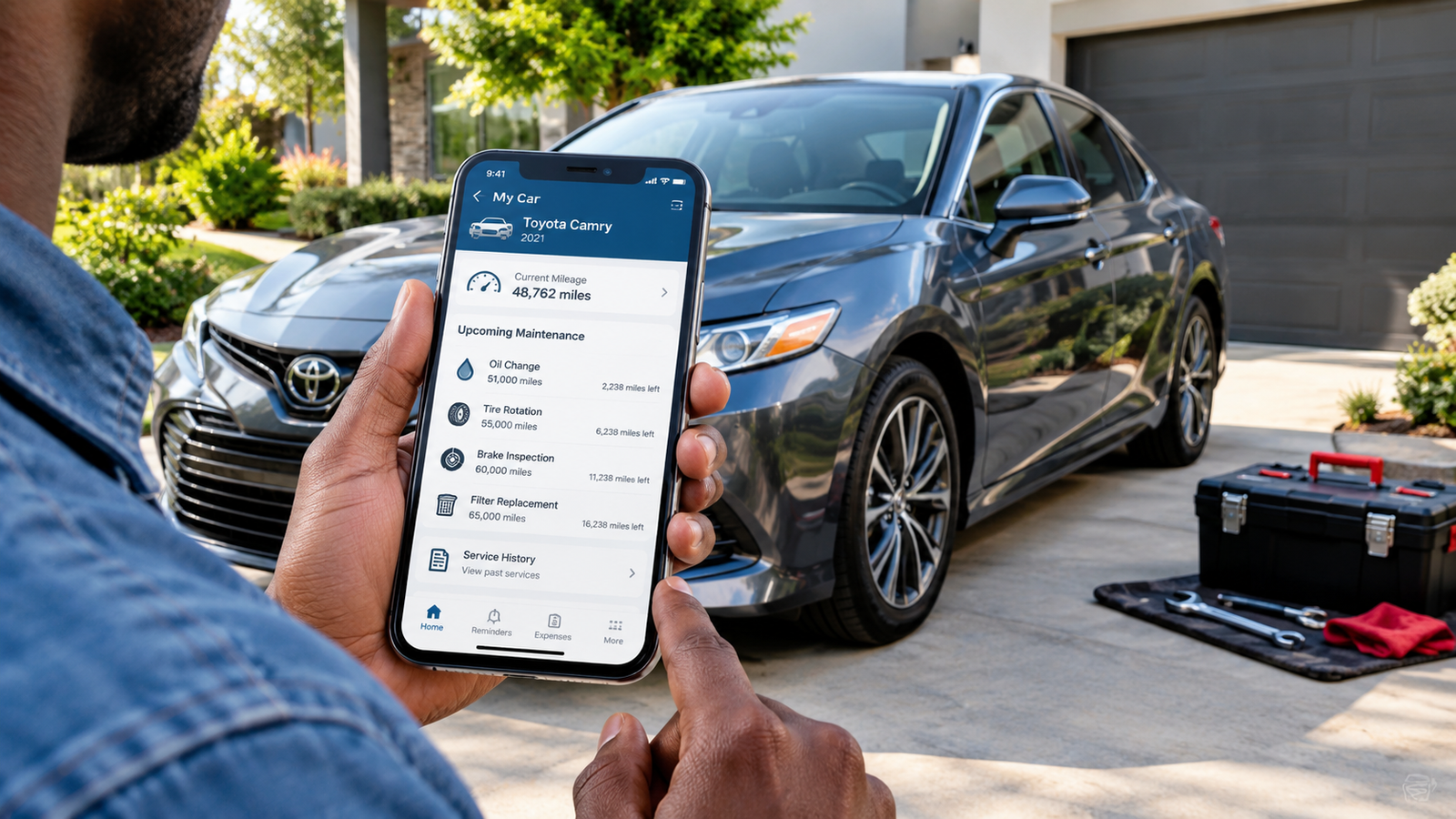
Oil changes, filter replacements, and fluid checks might seem routine, but they prevent major engine damage that could sideline vehicles for weeks. Transmission service, brake inspections, and tire rotations catch wear patterns early, extending component life and maintaining vehicle reliability.
Professional service providers use diagnostic tools that reveal problems invisible during casual inspections. Computer systems can detect engine performance issues, transmission irregularities, and electrical problems before they cause complete failures. This technology-driven approach identifies specific components requiring attention, allowing targeted repairs that address root causes rather than symptoms.
Strategic Repair Timing
Professional vehicle service includes guidance on repair timing that balances cost, urgency, and convenience. Not every identified issue requires immediate attention, but understanding priority levels helps vehicle owners make informed decisions about when to schedule repairs.
Critical safety components like brakes and steering systems demand immediate attention. Other items, such as minor fluid leaks or worn belts, can be scheduled during convenient maintenance windows. Professional technicians provide clear timelines for recommended repairs, helping customers avoid emergency situations while managing budgets effectively.
Fleet managers particularly benefit from this strategic approach. Professional service providers can coordinate maintenance schedules across multiple vehicles, ensuring adequate coverage while individual units receive attention. This planning prevents the scenario where several vehicles need simultaneous repairs, leaving operations without sufficient transportation.
Quality Parts and Workmanship
Professional service providers typically use high-quality parts and follow manufacturer specifications, resulting in repairs that last longer and perform reliably. While aftermarket parts might offer short-term cost savings, professional-grade components reduce the likelihood of repeat failures and subsequent downtime.
Warranty coverage on professional repairs provides additional protection against downtime. When repairs fail prematurely, warranty terms ensure quick resolution without additional costs to vehicle owners. This coverage proves especially valuable for major repairs like engine overhauls or transmission rebuilds.
Skilled technicians complete repairs correctly the first time, avoiding the multiple service visits that can occur with inexperienced mechanics. Professional shops invest in ongoing training and certification programs that keep technicians current with evolving vehicle technologies and repair techniques.
Building Long-Term Relationships
Establishing relationships with professional service providers creates advantages that extend beyond individual repairs. These partnerships enable better communication, priority scheduling, and customized maintenance programs that address specific vehicle usage patterns.
Professional shops maintain detailed service records that help track vehicle history and predict future maintenance needs. This documentation proves valuable for warranty claims, resale situations, and long-term maintenance planning. Having complete service records also helps technicians diagnose problems more efficiently, reducing diagnostic time and costs.
Regular customers often receive priority scheduling during peak service periods, ensuring their vehicles receive attention when needed. Professional shops value long-term relationships and often provide scheduling flexibility that accommodates customer priorities and deadlines.
Maximizing Your Vehicle Investment
Vehicle downtime reduction through professional service represents a smart investment strategy that pays dividends through extended vehicle life, maintained reliability, and predictable operating costs. Rather than viewing professional service as an expense, consider it as insurance against the far greater costs of unexpected failures and extended downtime.
Professional maintenance preserves vehicle value while ensuring dependable transportation when you need it most. Whether managing a single family vehicle or coordinating an entire fleet, partnering with qualified service professionals provides the expertise and reliability that keeps vehicles moving and schedules on track.
Take action now by establishing relationships with professional service providers in your area and creating maintenance schedules that protect your transportation investments.