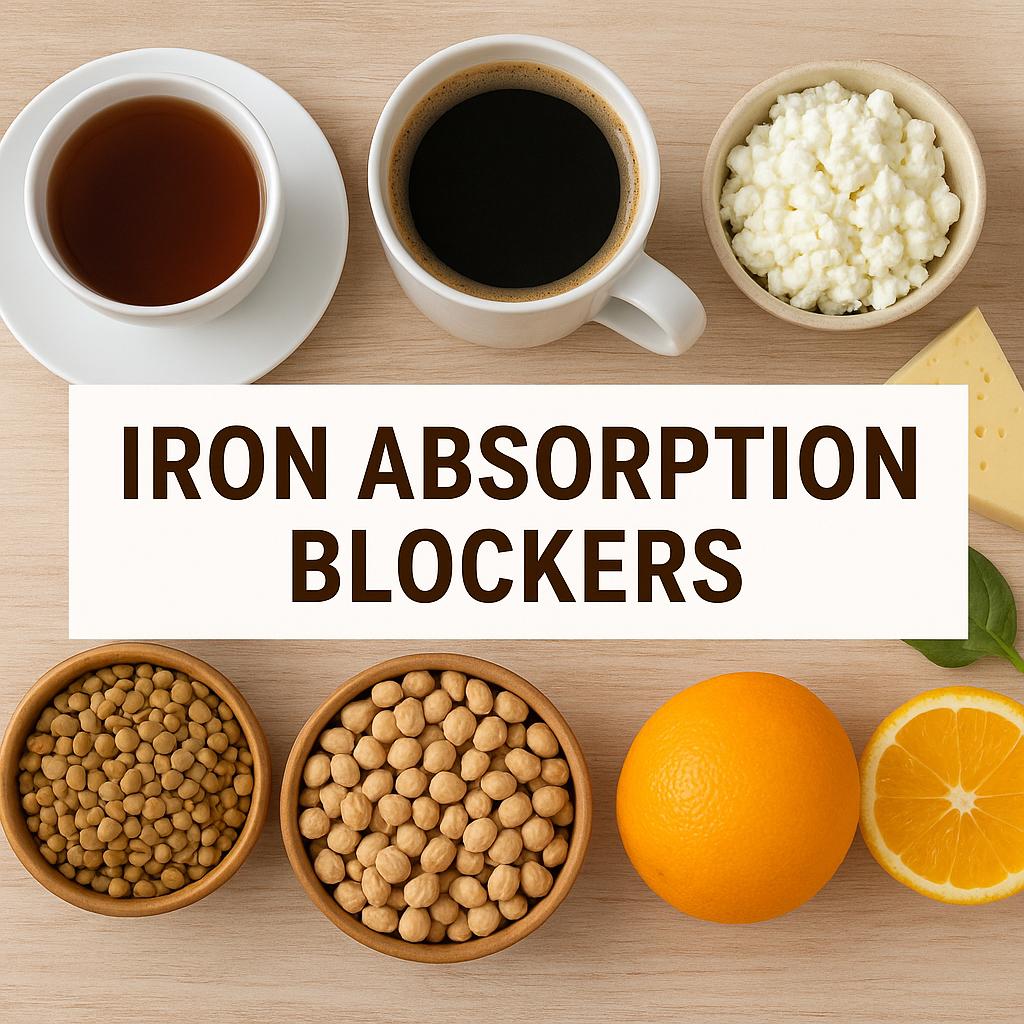
One of the most vital minerals in keeping oneself healthy is iron, as it is important in the transportation of oxygen in the blood and energy levels. But not the whole amount of iron in food is absorbed by the body. Whereas animal sources contest the heme iron that is more easily absorbed, plant-based foods and fortified foods contain non-heme iron that is more susceptible to interactions with the diet. There are various common foods and beverages that may impede this which results in less uptake of iron.
It is important to know which foods that inhibit iron absorption are the most useful, and how to eat them without affecting nutrition, particularly among vegetarians, vegans, women of childbearing age, and those who are susceptible to anemia. Here, we will dissect the major blockers, such as, phytates, tannins and calcium, and suggest effective ways to deal with them.
What other resources can help you learn more about which foods to avoid in case you are worried about anemia? You will find this resource useful:Foods That Block Iron Absorption.
Why Iron Absorption Matters
One of the most widespread nutrient deficiencies in the world is iron deficiency. The symptoms may comprise fatigue, pale skin, dizziness, brittle nails, and shortness of breath. In the extreme cases it may advance to iron-deficiency anemia.
What you eat is not the sole determinant of your total iron levels, but so is the efficiency of the body in absorbing iron. But you may not be receiving the full amount of iron-rich foods you may be eating in combination with the inhibitors. On the other hand, absorption can be enhanced dramatically in timing and food combinations.
Major Foods That Block Iron Absorption
Phytates in Whole Grains, Legumes, and Seeds
Phytates (phytic acid) are organic compounds that occur in food (beans, lentils, nuts, and seeds, and whole grains). Although these foods are healthy, the phytates present in them have the ability of binding with iron in the digestive tract rendering iron unavailable to the body.
How to work around phytates:
- Soak and sprout: Before cooking, beans, lentils and seeds can be soaked, and this can lower phytate levels. Sprouting of grains and legumes is another prolific process.
- Fermentation: Foods with low levels of phytate include sourdough bread or fermented soy products (tempeh, miso): they can be better absorbed as iron by the body.
- Combine with vitamin C: Vitamin C counteracts the action of phytates by increasing the absorption of iron through a combination of citrus fruits, bell peppers, or tomatoes.
Tannins in Tea, Coffee, and Some Wines
Tannins are also compounds found in plants which make tea, coffee and some wines astringent. Regrettably, they also lower the absorption of non-heme iron because they bind it in the intestines. This can be notable-drinking tea or coffee during meals may slow down the absorption of iron by 60 percent.
How to work around tannins:
- Time your drinks: It is important that you wait at least one hour after a meal before drinking tea or coffee.
- Select herb teas: Herbal tea-infusions such as rooibos or peppermint do not have tannins and will not disrupt the absorption of iron.
- Keep in moderation: If you are fond of coffee or black tea, drink very little of it around meals that are rich in iron instead of giving them up altogether.
Calcium in Dairy and Supplements
Calcium is a vitamin vital to bones, but this mineral competes with iron in the gut. This is a competition with heme iron and non-heme iron and calcium is one of the most potent inhibitors. Dairy products such as milk, cheese and yogurt, or calcium-enriched foods or supplements can inhibit iron absorption when they are eaten alongside food-rich in iron.
How to work around calcium:
- Separate intake: When you use a calcium supplement, be sure to take it no less than two hours before or after your primary iron-containing food.
- Balance meals: Consume dairy or calcium rich food on snacks or meals where iron is not the priority.
- Use plant sources: There are fortified non-dairy milks that are still easier to schedule around meals that contain high amounts of iron.
Oxalates in Spinach, Beets, and Certain Greens
Spinach, beet greens and Swiss chard are the following types of vegetables that contain oxalates that can inhibit the absorption of iron as they bind to the mineral. Though these greens contain a lot of iron, the oxalates form a large portion of it unavailable to the body.
How to work around oxalates:
- Vary the greens: Do not only use spinach to get iron, you should also use kale and broccoli or bok choy, which contain less oxalates and can be better absorbed.
- Bring vegetables to the boil: boiling may decrease the levels of oxalate in some vegetables, exposing the iron.
Polyphenols in Cocoa and Some Legumes
Polyphenols are antioxidant substances found in cocoa, portions of legumes and even in black tea and coffee. Similar to tannins, they are associated with iron and render it less absorbable by the body. Although they have health benefits elsewhere, they may still impair the absorption of iron when taken in excess with the rich sources of iron food.
Ways to work around polyphenols:
- Moderation: Enjoy chocolate or cocoa products as snacks, not with iron-rich meals.
- Add vitamin C: Fruits are eaten together with polyphenol-containing foods to enhance iron absorption.
Egg Proteins
In eggs, there is a chemical known as phosvitin and this chemical may greatly lower the absorption of iron. A meal of eggs, even in small portion, can prevent the absorption of iron.
How to work around eggs:
- Substitute meals: Have eggs when you are not having your iron supplements food.
- Balance with enhancers: When eggs are in your diet, pair iron rich plant foods with vitamin C rich foods.
Strategies to Maximize Iron Absorption Despite Blockers
You do not need to get all these foods out of your diet, nor is it realistic to do so. Rather, timing and pairing techniques can be embraced to maximize the intake of iron and still have a high level of food variety.
Combine Iron Sources with Vitamin C
One of the strongest non-heme iron absorption enhancers is vitamin C (ascorbic acid). Even a small dose of vitamin C (the vitamin in half a cup of bell pepper or half an orange) can bring about a significant increase. A lot of difference is added to meals by adding tomatoes, strawberries or citrus fruits.
Separate Blockers from Iron-Rich Meals
Whether you have a dairy, tea, or coffee taste, all you need to do is not to eat these products together with your iron-rich meals. An interval of one to two hours is normally sufficient to reduce interference.
Cook and Prepare Foods Properly
Phytates and oxalates can be reduced by soaking, sprouting, fermenting and boiling foods, increasing the bioavailability of iron. The selection of various cooking techniques and methods of food preparation maximizes the preservation of nutrients.
Diversify Iron Sources
Do not count on a single or even two foods to provide your iron. Combine legumes, whole grains, nuts, seeds, and iron-rich vegetables. In the case of animal consumers, heme iron is found in lean meats/poultry and fish and is better absorbed and inhibitors less effective.
Sample Meal Timing for Better Iron Absorption
- Breakfast: Oatmeal with berries and orange slices (avoid tea/coffee until later).
- Lunch: Bell pepper, tomatoes and lemon dressing Lentil salad (avoid dairy during the day).
- Snack: Yogurt with nuts (not to be taken with iron-enriching meals).
- Dinner: Curry made of chickpea, broccoli and brown rice accompanied by mango chutney to get additional vitamin C.
- Evening drink: Herbal tea in place of black tea or coffee.
Special attention should be paid by whom?
Although all people can use iron absorption optimization, some demographics are at risk of deficiency and need to be especially cautious:
Vegetarians and vegans, as their iron is mostly in the form of non-heme.
- Women of reproductive age, due to higher iron needs from menstruation.
- Women of child bearing age, who need more iron.
- Teenagers and children, who require iron to grow and develop.
- People who are chronically ill and their illnesses influence the absorption of nutrients.
Final Thoughts
Iron is a very vital nutrient that should not be left to chance. Although whole grains, tea, coffee, and dairy are rich in health benefits, they may also disrupt the absorption of iron by your body. With this information on foods that prevent the uptake of iron and simple timing and pairing techniques, you can have a balanced nutrition and do not run the risk of deficiency.
It is not necessary to avoid these foods, but to make them work around e.g. by adding vitamin c to them, timing meals or by cooking foods in a manner which would not cause them to be inhibited. By eating consciously, you are able to protect your iron status and at the same time you are able to have a varied and filling diet.


I am not sure where youre getting your info but good topic I needs to spend some time learning much more or understanding more Thanks for magnificent info I was looking for this information for my mission
I’ve been following your blog for quite some time now, and I’m continually impressed by the quality of your content. Your ability to blend information with entertainment is truly commendable.
Your blog is a true hidden gem on the internet. Your thoughtful analysis and in-depth commentary set you apart from the crowd. Keep up the excellent work!
Hey there You have done a fantastic job I will certainly digg it and personally recommend to my friends Im confident theyll be benefited from this site
Error reporting and feedback channels: 1win apk review.