Key Takeaways
- Lifestyle changes play a key role in improving mental health when combined with other treatments for depression.
- Small, positive daily habits—including regular exercise and social connection—can have a measurable impact on mood.
- Nutrition, sleep, and mindfulness practices are established factors in supporting recovery from depression.
- Seeking professional support, when needed, ensures a well-rounded approach to mental health.
Why Lifestyle Factors Matter in Mental Health
The relationship between lifestyle and depression is becoming increasingly evident as research continues to uncover how daily habits affect our brains and mood. Studies show that individuals who make intentional lifestyle changes—such as adjusting their diet, increasing physical activity, and improving sleep—are more likely to experience improvements in depressive symptoms. Addressing these aspects doesn’t replace medical treatment, but it does provide a strong foundation for recovery.
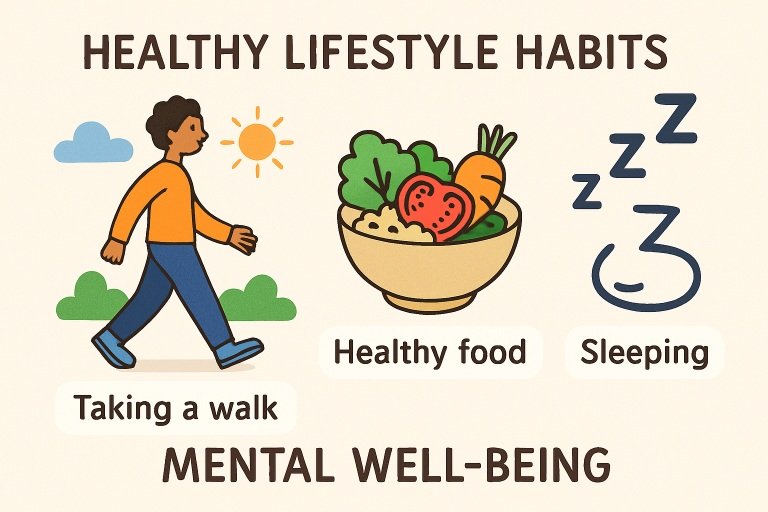
Approaching mental health from a holistic perspective means recognizing that a combination of physical, psychological, and social factors influences emotional well-being. It’s important to work with trained professionals, such as a depression doctor, to create a treatment plan that not only includes therapy or medication when necessary, but also incorporates healthy routines that support long-term mental health. Small, manageable lifestyle changes—like prioritizing self-care, socialization, and physical activity—can empower individuals coping with depression. Regular exercise boosts mood-regulating neurotransmitters, and even brief, enjoyable activities like walking, stretching, or yoga can improve emotional well-being. Creating a supportive environment and taking gradual, realistic steps are central to lasting mental health improvement.
Nutrition and Its Effect on Depression
What we eat greatly affects how we feel. Diets rich in whole grains, leafy greens, berries, fatty fish, and nuts have been associated with a decreased risk of depression. Key nutrients, such as omega-3 fatty acids, B vitamins, and magnesium, play important roles in supporting brain function. According to Harvard Health, a balanced diet rich in these nutrients can help protect against mood disorders and support mental well-being.
Building healthier eating habits begins with small swaps, such as opting for water over sugary drinks, incorporating more fruits and vegetables, and preparing simple, home-cooked meals. Planning meals ahead and mindful grocery shopping can also help establish new, supportive routines.
Sleep Hygiene and Emotional Stability
Sleep problems are both a symptom and a cause of depression. Healthy sleep patterns are closely tied to emotional stability and cognitive function. Lack of restful sleep can exacerbate symptoms, making it more challenging to manage stress and regulate one’s mood. According to the American Psychological Association, sleep deprivation is strongly linked to increased anxiety and emotional dysregulation, highlighting the critical role of restorative sleep in mental health.
Improving sleep hygiene involves maintaining a consistent bedtime, limiting screen time before bed, creating a comfortable sleep environment, and avoiding caffeine late in the day. Developing a calming nighttime routine, such as reading or practicing deep-breathing exercises, can signal to your body that it’s time to wind down.
Social Support and Community Connections
Human connection is a powerful factor in mental health. Supportive relationships help buffer the impact of stress and are associated with better depression outcomes. Whether it’s friends, family, a support group, or a professional counselor, having someone to talk to can make the recovery journey less isolating.
To nurture your social network, consider initiating regular check-ins with loved ones, joining a local club, or participating in group activities. Even small gestures, like sharing a meal or sending a message, can help foster deeper connections.
Mindfulness and Stress Reduction Practices
Mindfulness—living in the present moment without judgment—has been shown to reduce symptoms of depression and improve emotional regulation. Techniques such as deep breathing, meditation, and progressive muscle relaxation help lower stress levels and promote clarity.
Anyone can incorporate mindfulness into daily routines. Try a short guided meditation every morning, keep a gratitude journal, or focus on your breath during moments of anxiety. These practices can be personalized and expanded gradually as comfort grows.
When to Seek Professional Help
While lifestyle changes are a powerful adjunct to recovery, depression can be a complex condition requiring clinical support. Balancing self-help strategies with therapy and, when needed, medication, ensures that care remains comprehensive and individualized.
If changes in routine are not enough or if symptoms worsen, reaching out to a mental health professional is crucial. A variety of treatment options are available, and early intervention increases the likelihood of recovery.
Conclusion: Creating Your Supportive Routine
Recovery from depression is an ongoing journey. By focusing on physical activity, nutrition, sleep, social support, and mindfulness, you can create a well-rounded foundation for mental wellness. Remember, there is no one-size-fits-all approach: be patient, seek guidance when needed, and celebrate every step forward. Small changes truly add up over time. Keep learning and exploring new self-care strategies, and don’t hesitate to involve trusted professionals and loved ones along the way.



Hey there You have done a fantastic job I will certainly digg it and personally recommend to my friends Im confident theyll be benefited from this site
I have read some excellent stuff here Definitely value bookmarking for revisiting I wonder how much effort you put to make the sort of excellent informative website