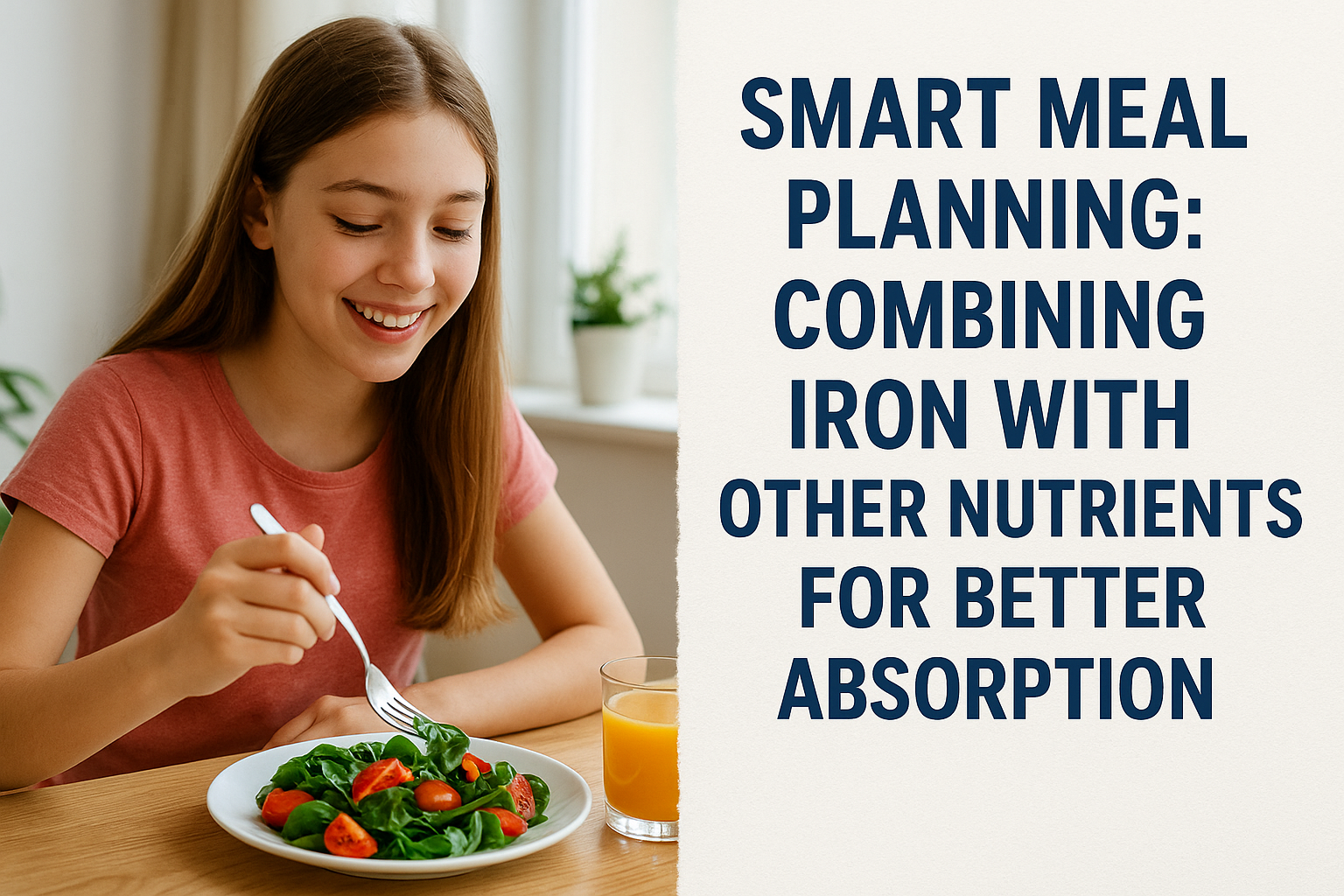
Iron is a nutrient, which plays a major role in the lives of teens that affects energy levels, concentration and academics. However, even though the effort is made to encourage families to include iron rich foods in everyday diets, they fail to consider one important parameter and this is absorption. The intake of iron on its own is not sufficient-not every type of food can be absorbed by the body. Smart meal planning should not only be about the selection of the right type of food, but the pairing of that food with complementary nutrients, and the avoidance of natural inhibitors that prevent food absorption as well.
It will discuss the importance of combining iron-rich foods with foods containing vitamin C, which could increase absorption drastically, the faulty practices that one should avoid, and ways to incorporate iron-rich foods into the daily diet that will directly lead to teens developing learning and execution skills as well as improving their brain efficiency. To know more, you can follow this resource on the pairing iron-rich foods with vitamin C sources.
Why Iron Is Important to Teens
Iron is the base of hemoglobin, which is the protein in red blood cells that deliver oxygen to all organs including the brain. Without sufficient iron intake, teens can grow fatigued, quite irritable and exhibit low concentrations and poor academic results. It has been found that iron deficiency is the most frequently seen nutritional problem in adolescents particularly girls in their growing stage because of menstruation and boys with high activity levels.
Here is the snag; not all the iron in foods find its way into the bloodstream. There are two kinds of iron consumed in the diet:
- Heme iron – These are contained in animal products, such as red meat, poultry and fish. The body takes it in easily
- Non-heme iron – This iron source occurs in foods of vegetal origin like beans, lentils, spinach and enriched cereals. It is much harder to absorb, however with right food combinations, absorption increases greatly.
Here nutrient pairing plays an important role.
Vitamin C in Iron Absorption’s Role
Ascorbic acid or vitamin C is a great non-heme iron absorption enhancer. It changes iron into a more soluble form that is readily absorbed by the body in the intestines. As little as small doses of vitamin C have the power to amazingly increase the absorption of iron naturally found in plant foods.
For example:
- Having a spinach salad alone will not be very helpful since it delivers limited iron.
- However, when combined with strawberries, bell pepper or even orange slices, the vitamin C in these foods assists the body in absorbing much more of the iron in the spinach.
It is such a simple pairing strategy to make a nondescript meal into a noggin-nourishing powerhouse.
Bad Iron Blockers to Avoid
The opposite can also happen wherein some foods favor the absorption and others work against it. These are the inhibitors capable of lowering the amount of iron that the body absorbs in meals:
- Caffeine (coffee, tea, energy drinks): Contains other chemicals known as polyphenols and tannins, which also bind with iron and stops absorption.
- Calcium (milk, cheese, yogurt): Calcium is required in bones, but comes into direct competition with iron. Avoid taking food with high amounts of calcium with iron rich meals.
- Phytates (whole grains and legumes): Phytates are healthy in most aspects, but they may hamper iron absorption. The inhibitory effect of these foods can be reduced by soaking, sprouting or fermenting.
- Some drugs (antacids): These may decrease the level of stomach acid thus making iron absorption inefficient.
Smart meal scheduling is getting the timing of foods right-having iron-packed meals on their own, and not with calcium-rich foods or caffeine.
Smart Tools to Meal Planning
1. Weigh Every Plate
When feeding teens, it is recommended that one has a balance of sources of iron and sources of vitamin C. A basic rule “
- Consume an iron rich meal together with fruits or vegetables that are rich in vitamin C.
2. Select non irritating Snacks
Smart snacking can increase intake of nutrients Combine snacks like Iron and vitamin C foods in short blends like:
- Slices of apple with peanut butter.
- A bowl of tablet cereal with strawberries.
- Hummus with strips of red pepper.
3. Make it Brainiac-friendly Breakfast
Breakfast is an important meal in academics. There are some smart options which include:
- Fake blueberry-add powered oatmeal.
- Scrambled eggs on a whole-grain toast with sliced tomatoes.
- Smoothies of spinach, mango, and enriched soy milk.
4. Calcium and caffeine intake Time
Teenagers do not have to eliminate sodium, calcium or caffeine completely. Rather schedule them at other times of the day.
- Calcium: Serve dairy products as snacks or at dinner and keep them away from iron rich meals.
- Caffeine: Avoid coffee and tea, but in case of consumption ensure that coffee and tea is consumed two hours after iron rich foods.
5. Cook in Cast-Iron Cookwear
By cooking in cast-iron the iron content of food can be increased, particularly in case of acidic foods such as tomato sauces. This is an easy way of life hack that can add additional iron into the body without concerning yourself with dietary changes.
Sample Daily Diet Plan for Adolescents
A case in point is the following example of the combination of nutrients, to maximise their absorption of iron:
Breakfast
- Fortified cereal combined with strawberries and kiwi.
- a pitcher of orange juice.
Mid-Morning Snack
- Almond Butter apples.
Lunch
- Vegetable wrap with red bell peppers and spinach grilled chicken.
- A slice of citrus fruit salad.
Afternoon Snack
- Hummus with carrots and cucumber cut in sticks.
Dinner
- Tomato and lentil stew cooked in cast-iron.
- On the side sauteed kale with lemon.
Evening Snack
- Honey with yogurt (it is later in order not to mix with iron).
This component in addition to boosting iron intake depicts prolonged vitality and focus until late in the day.
The correlation between iron absorption and academic achievement
Teenagers would tend to underrate the effects of nutrition on their daily school performance. Lack of sufficient iron in the diet or absorption as a result of unbalanced meal preparations may result in tiredness, lack of concentration and memory. Conversely, combining iron-rich meals with vitamin C sources regularly results in a healthier circulation of oxygen to the brain as well as enhanced focused powers and improved powers of reasoning.
Teens and parents who incorporate these practices tend to experience the above in a better state.
- Energy: less slumping in the afternoon and greater resistance to sports.
- Concentration: More capable of sitting through a long study session or class.
- Mood stability: Iron deficiency is connected to decreased irritability.
- Achievement in academic work: More memories and the capability to process information fast.
Nutrition does not only mean physical development- it is specifically connected to mental acuity and an eventual achievement in learning.
Lifestyle/Habits with Supports Iron Health
In addition to food combinations, other lifestyle factors affect absorption of iron:
- Exercise: improves the circulation of the blood as well as the demand of oxygen to the body, thus making the body utilize iron well.
- Sufficient sleep: Helps keep hormones in balance, including hormones that relate to the production of red blood cells.
- Avoiding processed foodstuff: Most processed snacks are processed; they do not contain vital nutrients and they displace iron- containing snacks.
- Hydration: Water intake should be enough so that transport of nutrients in blood is done in an effective manner.
Combined with intelligent meal planning, teens will have a greater chance of surviving in academics as well as exceptional physical performance.
Conclusion
Iron is crucial to teenage brain function, concentration and overall health-but it’s potency relies on the manner it’s consumed. Families can then unlock the full benefits of this nutrients by continually combining iron rich foods with vitamin C and not pairing it with absorption blockers like caffeine and too much calcium at the wrong times.
This isn’t about complicated diets, this is about on purpose combinations, they go together that it’s going to give you the best nutrition. From squeezing lemon juice on lentils, pairing up spinach with strawberries, to buying fortified cereals with citrus, small adjustments here add up to major influences over the teen’s energy, mood and academic achievement.
A goal of clearer head and better performance begins on the plate. With these tips, parents and teens can know exactly what to feed the body and the brain to succeed.


Your writing has a way of resonating with me on a deep level. I appreciate the honesty and authenticity you bring to every post. Thank you for sharing your journey with us.